International Space Station Air Leak Forces Astronauts to Take Emergency Shelter
Work on Russia's leaky module creates worrying turn in ongoing space station maintenance crisis.
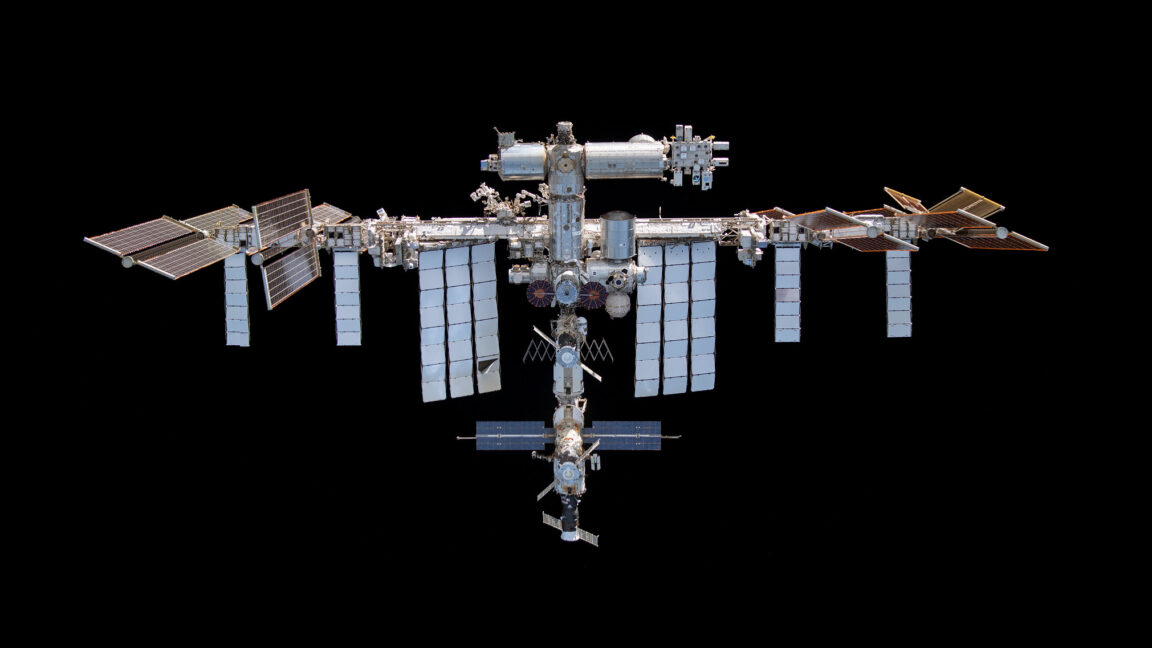
Astronauts aboard the International Space Station were forced to take emergency shelter Friday as work on a persistent air leak in Russia's segment of the orbital laboratory took a dangerous turn. The incident represents the latest escalation in an ongoing maintenance crisis that has plagued the aging space station and raised serious questions about the facility's long-term viability.
The air leak, located in Russia's Zvezda service module, has been a persistent problem for space station operators for several years. However, Friday's events marked a significant deterioration in the situation, requiring crew members to retreat to safer areas of the station while Russian cosmonauts attempted to address the worsening leak. The emergency shelter procedure is rarely implemented and indicates the severity of the current situation.
The Zvezda module, launched in 2000, serves as the primary living quarters for Russian crew members and houses critical life support systems. The ongoing air leak has forced station managers to keep the module sealed off during certain periods, limiting access to important equipment and living space. Russian space agency Roscosmos has been working to identify and repair the source of the leak, but progress has been slow and the problem appears to be worsening.
NASA and Roscosmos officials have downplayed immediate safety risks to the crew, emphasizing that the International Space Station has multiple redundant systems and emergency procedures. However, the incident highlights the mounting challenges of maintaining the 25-year-old facility as it approaches the end of its planned operational life. The space station was originally designed for a 15-year mission and is now operating well beyond its initial parameters.
The air leak crisis comes as space agencies prepare for the eventual decommission of the International Space Station, currently scheduled for 2031. Both NASA and its international partners are developing plans for next-generation space stations, but the current situation underscores the urgency of ensuring continuous human presence in low Earth orbit. The incident also reflects broader tensions between international partners as geopolitical relationships on Earth increasingly affect space cooperation.