The Sun Unleashed a Radio Storm That Roared for 19 Days, Shattering the Old Record of Five
NASA scientists traced the unprecedented Type IV burst to a vast magnetic 'helmet streamer' fed by three coronal mass ejections — a marathon outburst that could sharpen forecasts for the space weather that threatens satellites.
The Sun put on a performance that has left heliophysicists astonished: a radio burst that blared continuously for 19 days, obliterating the previous record of just five and forcing scientists to rethink how long the star can sustain such an outburst.
The marathon event, a so-called Type IV radio burst, unfolded in August 2025 and was described in a new study from NASA's Goddard Space Flight Center. Type IV bursts are broad, long-lasting emissions of radio waves tied to the Sun's most energetic eruptions. Where a typical such burst fades within hours to a few days, this one droned on for nearly three weeks, an endurance that had no precedent in the records.
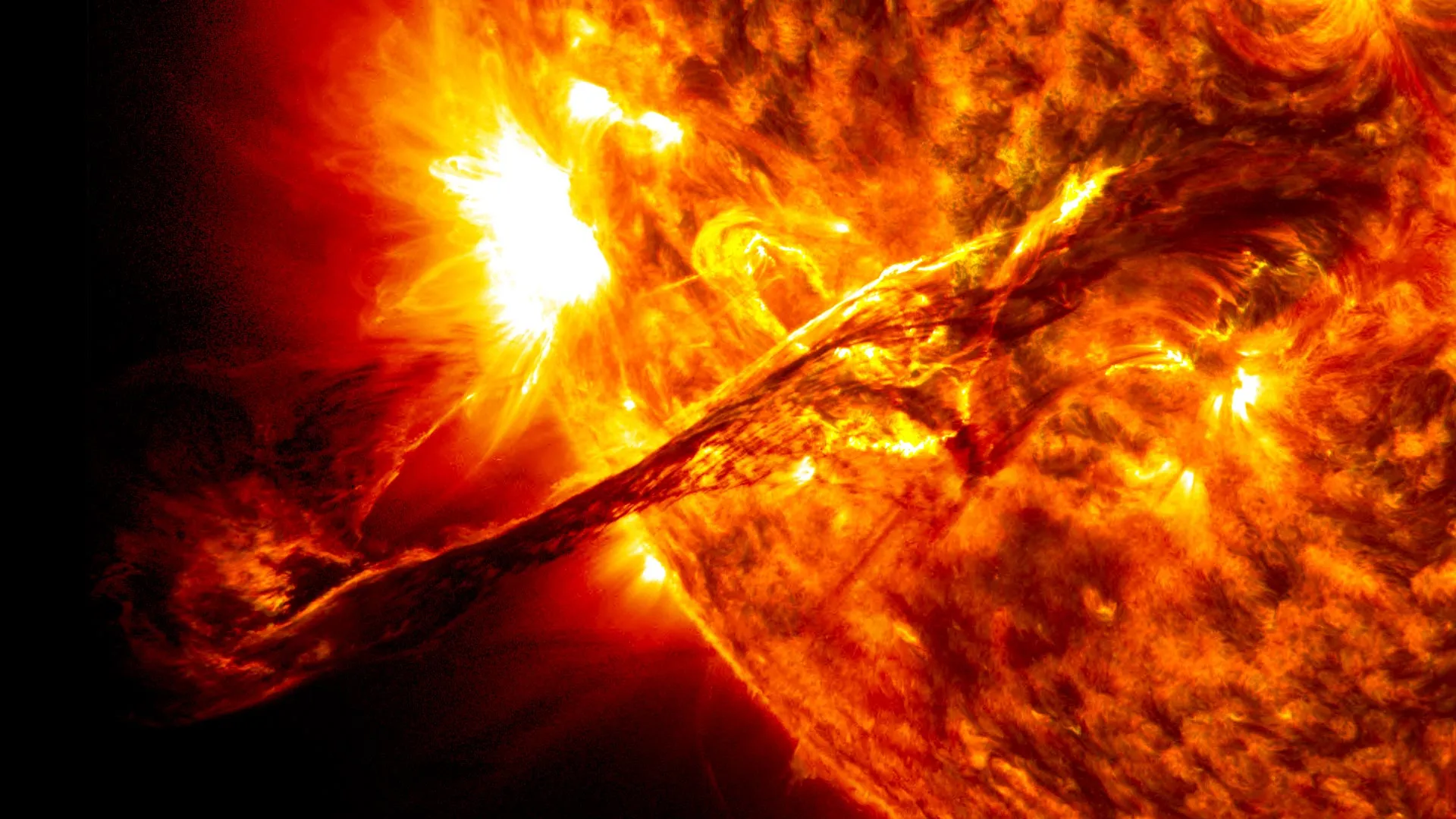
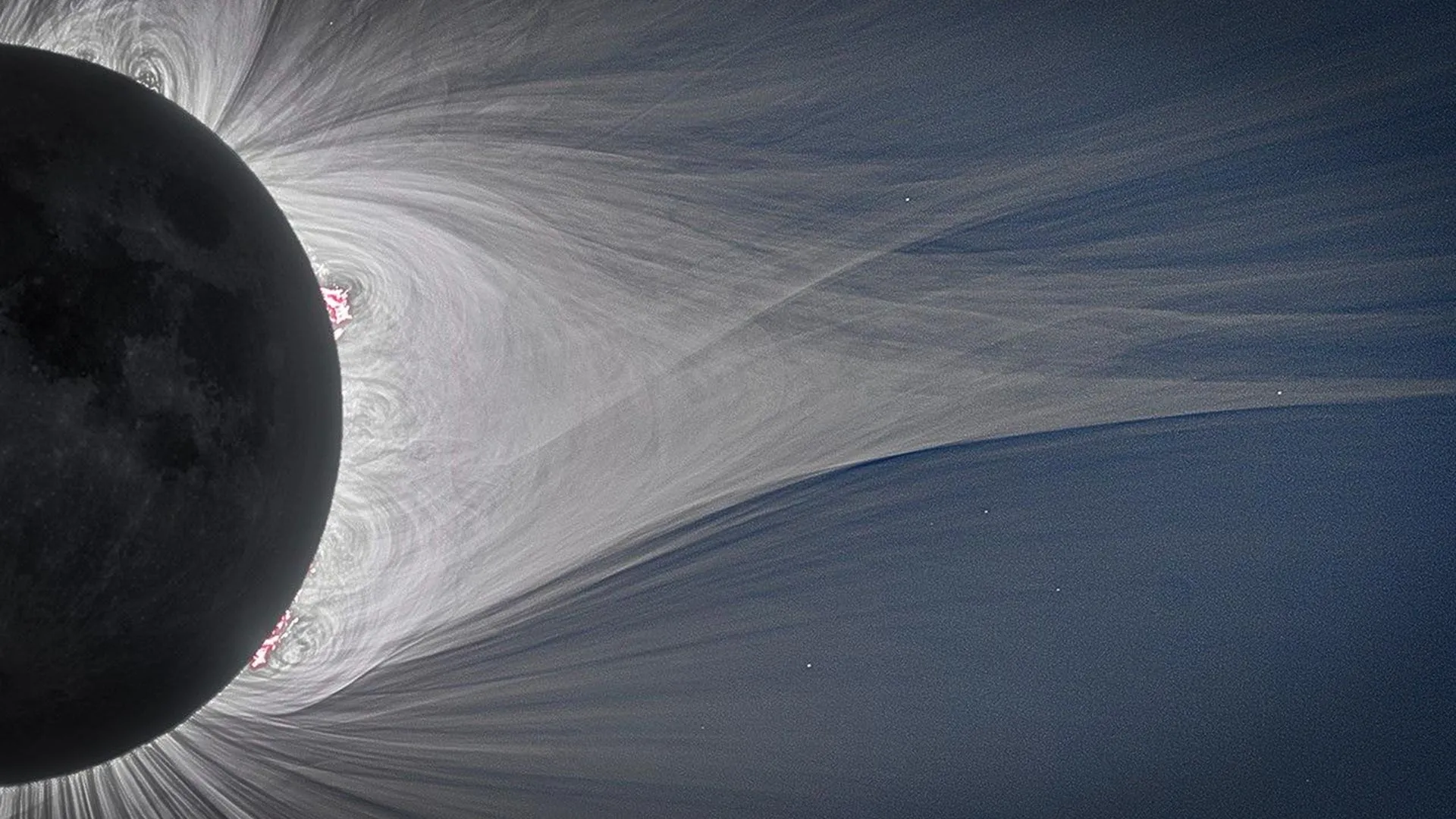
Researchers traced the signal to a massive magnetic structure in the Sun's atmosphere known as a helmet streamer — a towering, peaked formation of plasma and magnetic field lines that arcs out from the solar surface. The burst was sustained, the team found, by three separate coronal mass ejections, the giant clouds of charged particles the Sun hurls into space, all erupting from the same active region. Each eruption fed fresh energy into the streamer, keeping the radio emission alive day after day.
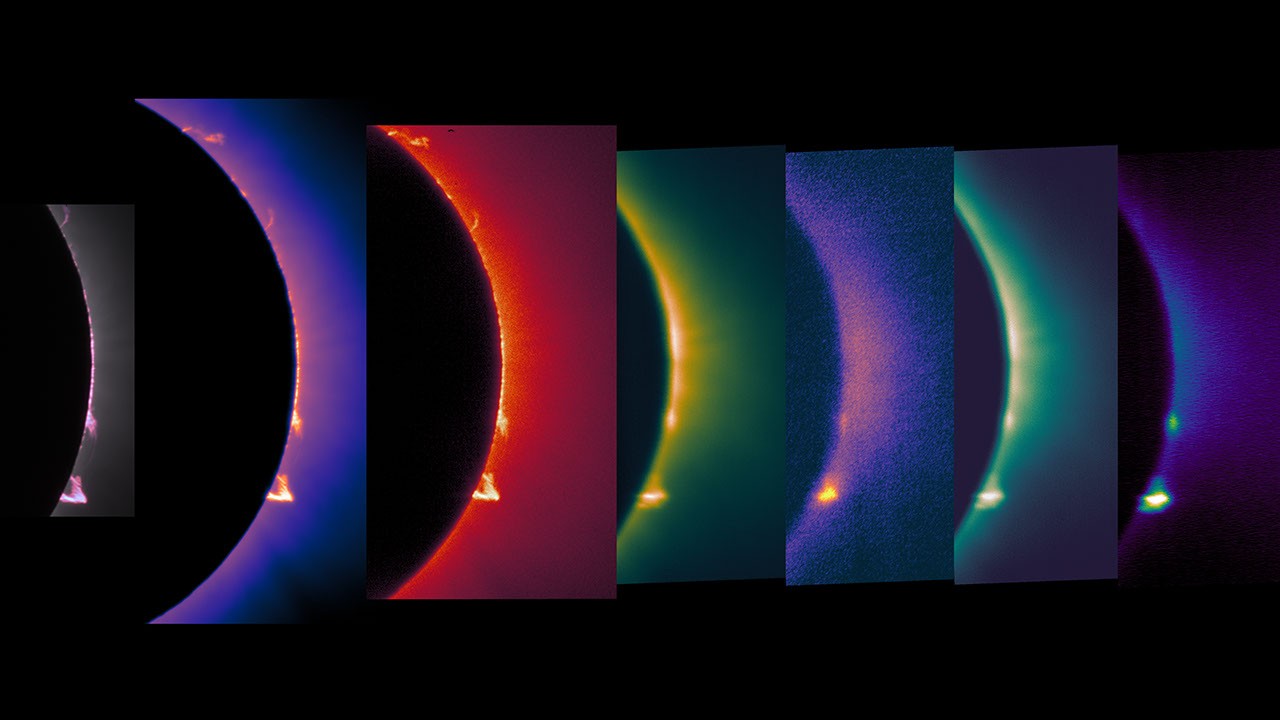
Capturing the full arc of the event required a fleet of spacecraft scattered across the inner solar system. The study drew on observations from NASA's STEREO mission, the Parker Solar Probe, the Wind spacecraft and the joint ESA-NASA Solar Orbiter, each watching the Sun from a different vantage point. Together they allowed scientists to reconstruct how the burst evolved and to confirm that it persisted far longer than any seen before. The work was led by Vratislav Krupar and colleagues at Goddard.
Beyond the sheer novelty, the discovery has real implications for the growing field of space weather forecasting. The same solar eruptions that drive these radio storms can also batter Earth, threatening satellites, disrupting radio communications and navigation, endangering astronauts and, in extreme cases, straining power grids on the ground. A burst that persists for 19 days offers researchers an unusually long window to study how the Sun's magnetic engine channels and sustains energy.
Understanding how a single active region can string together multiple eruptions into one prolonged event could help forecasters better anticipate periods of sustained solar hostility. As humanity grows ever more dependent on satellites and an electrified infrastructure exposed to the whims of the Sun, decoding record-breaking outbursts like this one is more than an academic exercise — it is part of the effort to protect the technological backbone of modern life.