An Electric Field Made Heat Flow Nearly 300% Faster Through a Ceramic — a Result 'No One Expected'
Researchers at Oak Ridge, Ohio State and Amphenol found that switching on an electric field in a relaxor ferroelectric ceramic can steer and triple its heat conduction, a tunable effect that could reshape how chips and devices stay cool.

Physicists have discovered that flipping on an electric field can dramatically reshape how heat moves through a ceramic, boosting its thermal conductivity by nearly 300 percent in a chosen direction — a result researchers say is far larger than anything previously seen in a bulk solid.
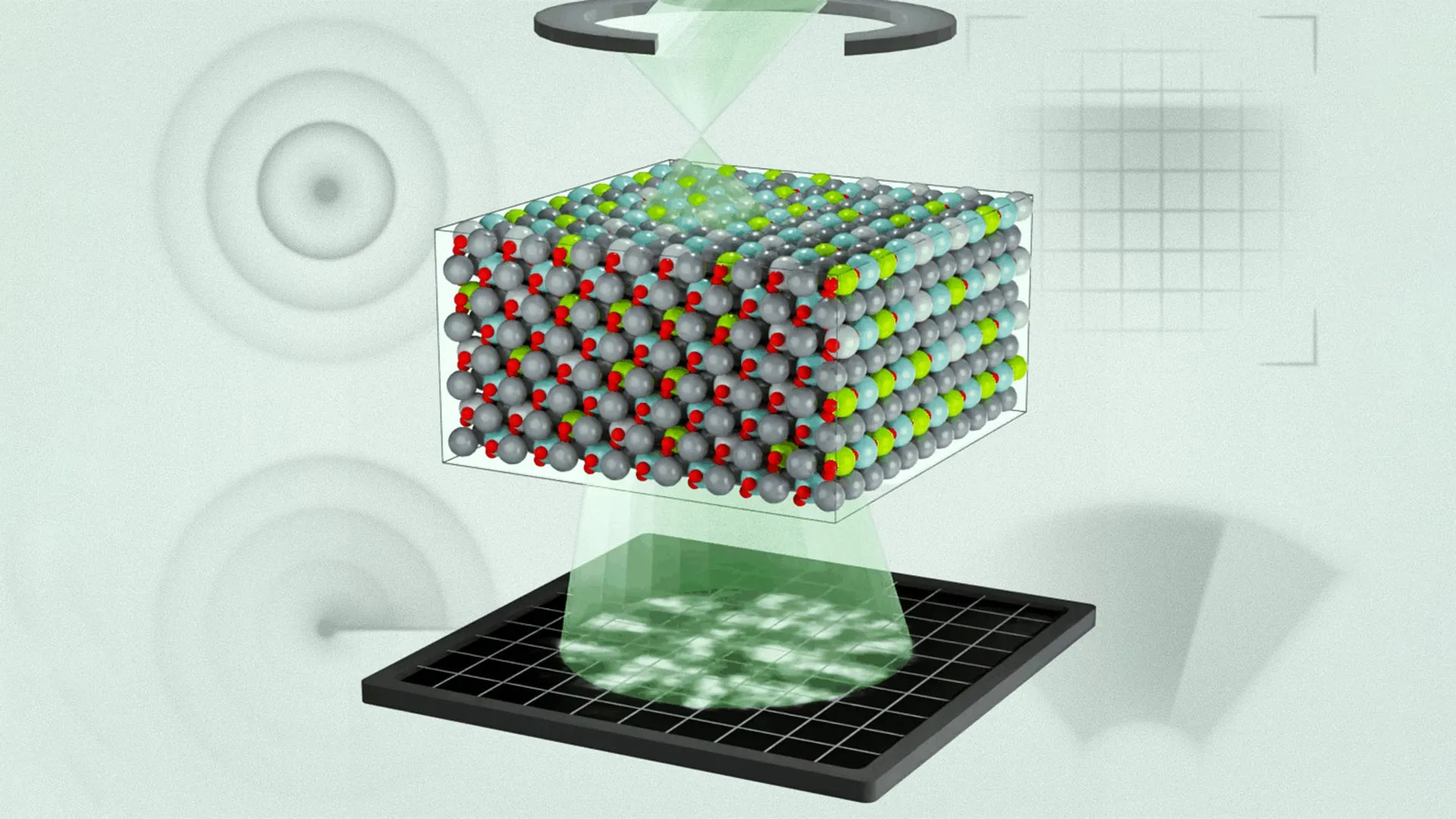
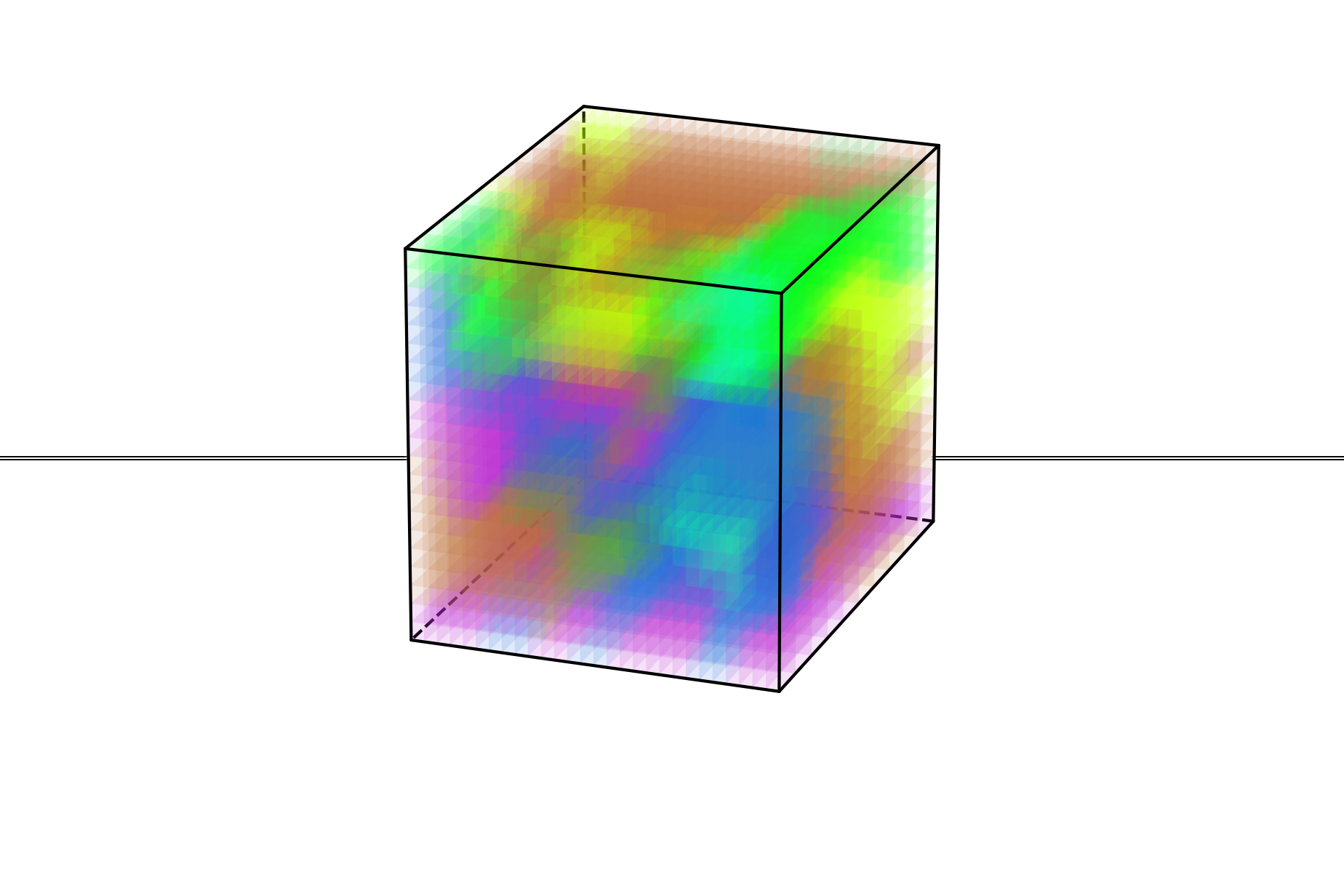
The work, published in the journal PRX Energy by scientists at Oak Ridge National Laboratory, The Ohio State University and Amphenol Corporation, focused on a class of materials called relaxor-based ferroelectrics. In these ceramics, tiny regions of electric charge are normally jumbled and disordered, scattering the atomic vibrations that carry heat.
When the team applied an electric field, those charges snapped into alignment. That ordering smoothed the path for heat-carrying vibrations known as phonons, letting thermal energy stream through the crystal far more efficiently in the direction of the field. The measured gain was roughly 30 to 60 times larger than any comparable effect documented in a bulk material under an external electric field, according to the researchers.
What makes the finding striking is that it is tunable and reversible: an engineer could, in principle, turn the enhanced heat flow on and off, or steer it, simply by controlling a voltage. Most materials have a fixed thermal conductivity set by their structure; the ability to dial it up on demand opens the door to a kind of "thermal switch" with no moving parts.
The potential applications center on one of modern electronics' biggest headaches: getting rid of heat. Densely packed processors, including the chips driving artificial intelligence, generate enormous amounts of waste heat that must be whisked away to prevent throttling and failure. A ceramic that can actively route heat toward a heat sink could let devices run cooler while spending less energy on fans and pumps.
Beyond cooling, the researchers suggest the effect could aid heat-to-electricity converters that capture waste heat from industrial processes and turn it back into usable power. The team cautioned that translating a laboratory measurement into commercial devices will take further engineering, but the discovery upends a long-held assumption that a material's ability to conduct heat is essentially fixed — and hands designers a new knob to turn.
For most materials, thermal conductivity is baked in by chemistry and crystal structure, leaving engineers to design around it rather than adjust it. The new results show that in the right material an external field can act on the microscopic carriers of heat directly, a level of control that had not been demonstrated at anything close to this magnitude. The researchers plan to test other members of the relaxor-ferroelectric family and to probe how the effect holds up across the temperature ranges real devices would encounter.