10-Year Treasury Yield Hits 5.33%, the Highest Since 2002, in the Worst Bond Quarter This Century
A global bond rout, strong growth, sticky inflation and $100 oil are pushing borrowing costs for mortgages, cars and the federal government sharply higher.

The yield on the 10-year U.S. Treasury note jumped to 5.3338% on Thursday, its highest level since April 2002, as a worldwide bond sell-off deepened. The 30-year yield reached 5.6702%, the highest since July 2002. The 10-year later eased to about 5.25%.
The move caps the worst quarter for the U.S. bond market this century. The 10-year yield rose 87.1 basis points over the three months that ended Wednesday. The 2-year yield stood at 4.91%, so long-dated bonds are rising faster than short-dated ones, a pattern that points to worries about deficits and inflation rather than the near-term path of the Federal Reserve alone.
Several forces are pushing in the same direction. A stronger-than-expected report on gross domestic product, driven in part by spending on artificial intelligence, and an inflation reading well above the Fed's target led bond investors to bet the central bank will have to keep tightening. Energy prices are adding to the pressure: Brent crude is above $100 a barrel because of the war with Iran and the conflict in Ukraine, and there is no deal in sight to reopen the Strait of Hormuz.
"There is carnage in the bond market," said Neil Wilson of Saxo Bank, who put the blame largely on unexpectedly robust economic growth. Investors have also pointed to the size of U.S. budget deficits under both parties.
The sell-off is global. The U.K.'s 30-year government bond yield hit 6% on Thursday for the first time since 1998. The British 10-year rose about 5 basis points to 5.483%, France's 10-year rose 8 basis points to 4.925%, and Italy's rose 10 basis points to 4.706%.
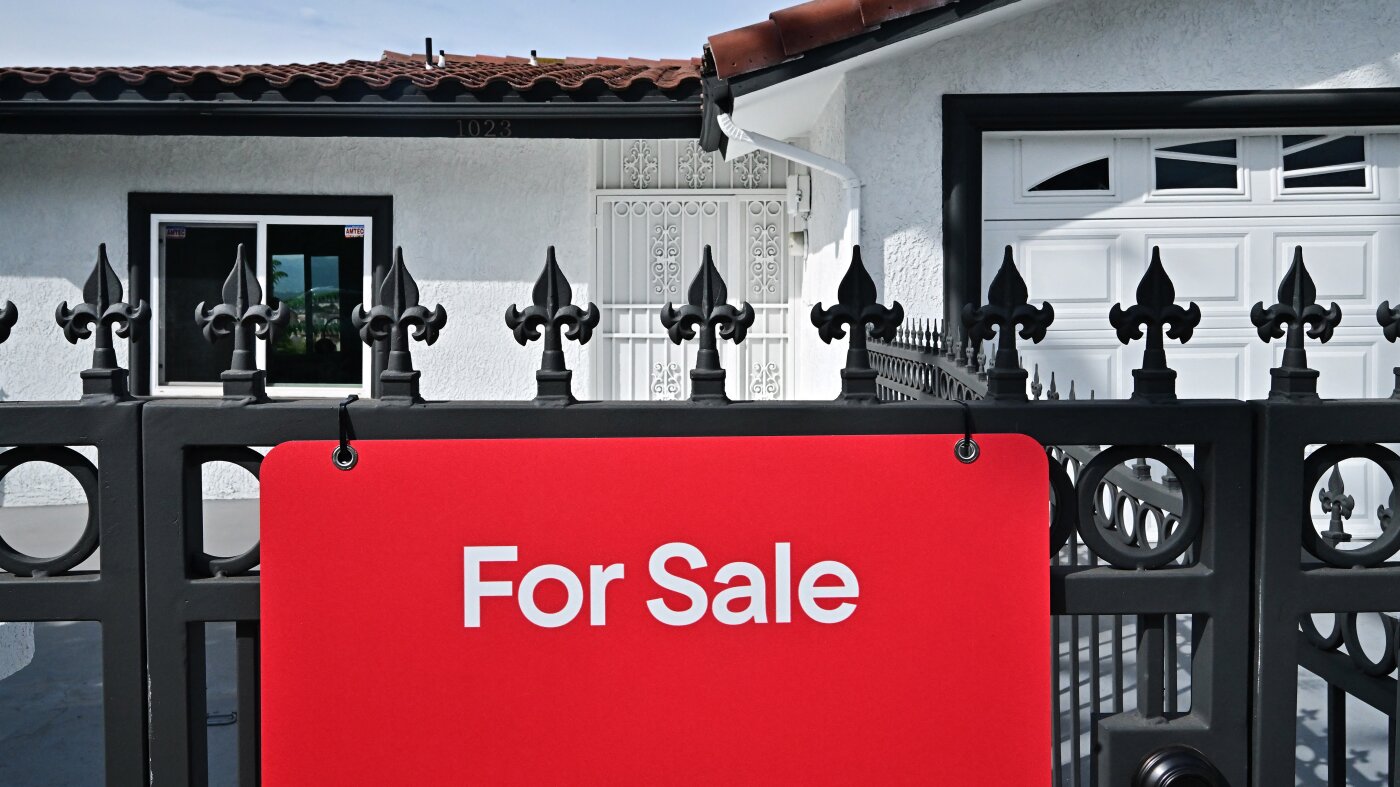
For households, the 10-year Treasury is the benchmark that sets the cost of most long-term borrowing. Mortgage rates have climbed to their highest point since 2023, and auto loans and credit card rates tend to follow. A day earlier, a consumer confidence reading had already fallen to its lowest level since 2014.
Stocks reflected the stress. The Dow slipped as yields rose, and traders spent the first day of October trying to work out whether the bond market is pricing a harder landing or just a higher-for-longer Fed.
There is a limit to how far the pain goes without reaction. Higher yields eventually draw buyers who want the income, though some analysts say the usual large buyers, such as sovereign wealth funds and central banks, are unlikely to step in. Until oil prices, inflation or the deficit outlook shift, the pressure on yields is likely to persist, and the Fed's next meeting will be watched closely.