Mortgage Rates Hit 6.66%, the Highest in a Year, in the Biggest One-Week Jump Since May
Freddie Mac's 30-year average climbed eight basis points as the Iran war pushed oil and Treasury yields higher and the Fed signaled its next move is more likely up than down.
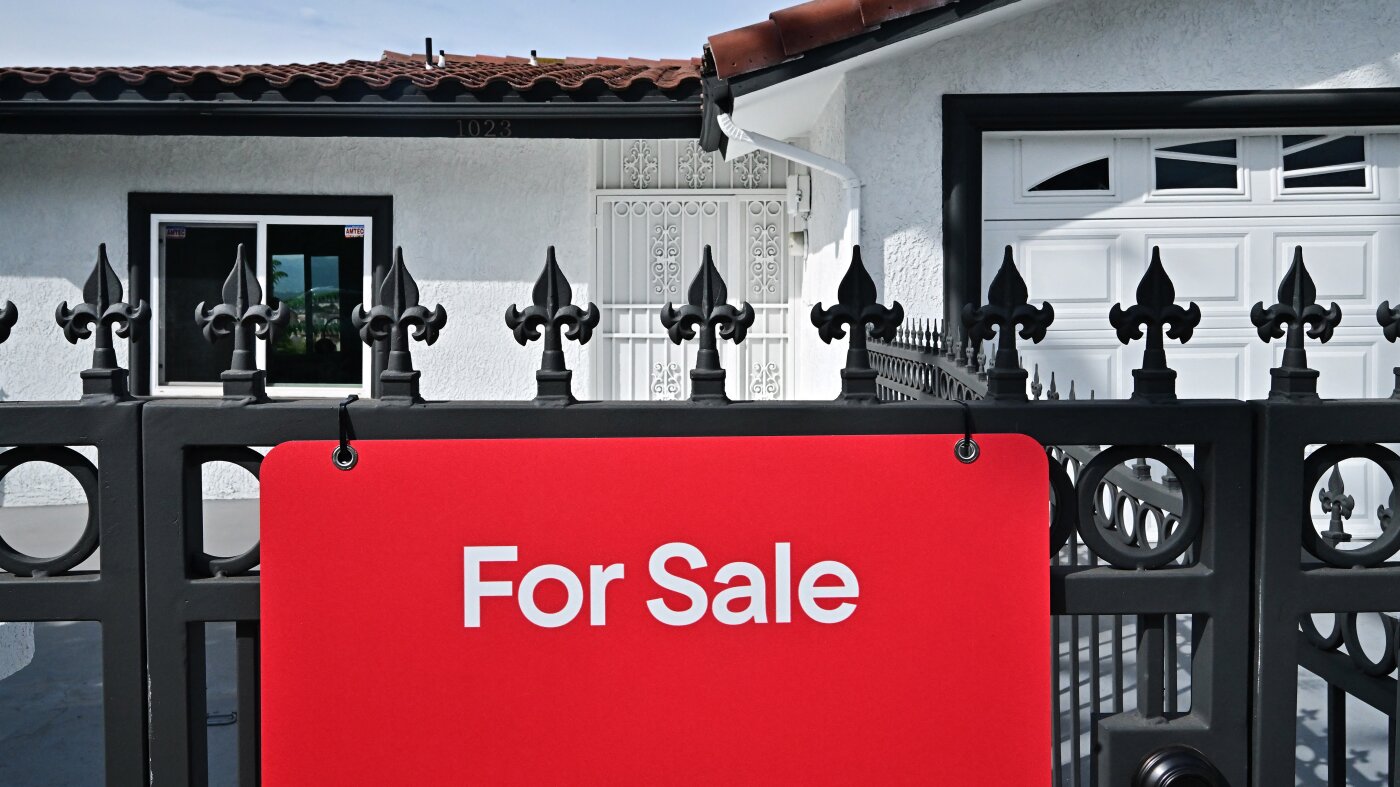
The average rate on a 30-year fixed mortgage rose to 6.66% in the week ending July 30, Freddie Mac said Thursday, the highest reading in a year and the sharpest one-week increase in 10 weeks. The rate was 6.58% the previous week. The 15-year fixed average rose in lockstep, to 6.04% from 5.96%.
The move puts borrowing costs back to where they stood last August, though still marginally below the 6.72% average recorded a year ago. Freddie Mac publishes the figures through its Primary Mortgage Market Survey, the benchmark series lenders and buyers watch each Thursday morning.
The pressure is coming from the bond market rather than from the housing market itself. Mortgage rates track the 10-year Treasury yield, which has been climbing toward 4.66% as the war with Iran — now in its fifth month — keeps oil prices elevated and feeds through into headline inflation. The Federal Reserve has held its policy rate at 3.5% to 3.75% and has signaled that its next move is more likely to be an increase than a cut, which removes the one thing that would reliably pull mortgage rates back down.
Freddie Mac's chief economist, Sam Khater, framed the week as manageable for buyers who are still in the market. "The housing market continues to benefit from more available inventory, providing prospective homebuyers with additional options and helping support buyer activity as mortgage rates fluctuate," he said. That is the optimistic reading, and inventory has genuinely improved from the famine conditions of the past few years.
The less optimistic reading is arithmetic. Each eight-basis-point step costs a borrower real money over 30 years, and the burden falls hardest on first-time buyers, who carry the largest loans relative to income and have no equity from a previous sale to offset the rate. The same rate environment also keeps the lock-in effect alive: homeowners sitting on mortgages below 4% have close to zero incentive to refinance or to sell and take on a 6.66% loan, which quietly restrains the supply of existing homes even as new listings improve.
The rate move lands alongside an economy that is decelerating. U.S. GDP grew at a 1.5% annual rate in the second quarter, below forecasts, with consumer spending up 3.2% but imports and inflation pressures dragging on the headline number. That combination — slowing growth, sticky inflation, a central bank unwilling to ease, and a war keeping energy prices high — is the least helpful backdrop imaginable for anyone trying to buy a house this summer, and it is the reason the eight-basis-point move drew more attention than a number that size usually would.
Originally reported by NPR.