Trump Administration Revives 'Public Charge' Test That Could Deny Green Cards to Immigrants Who Use Public Benefits
Under a rule set to publish July 20 and take effect in September, officers can again weigh an applicant's use of Medicaid, food stamps and housing aid — a shift analysts say could push nearly a million people to forgo help they are entitled to.

WASHINGTON — The Department of Homeland Security is reviving a stricter version of the “public charge” test for green-card applicants, once again allowing immigration officers to weigh whether a person is likely to rely on government aid when deciding who may become a permanent resident.
The revised rule is scheduled to be formally published on July 20 and to take effect September 18. It rolls back a 2022 regulation issued under President Biden that had narrowed how officials could consider public-benefit use, and returns to a broader standard that immigrant-rights groups say will sow fear among families.
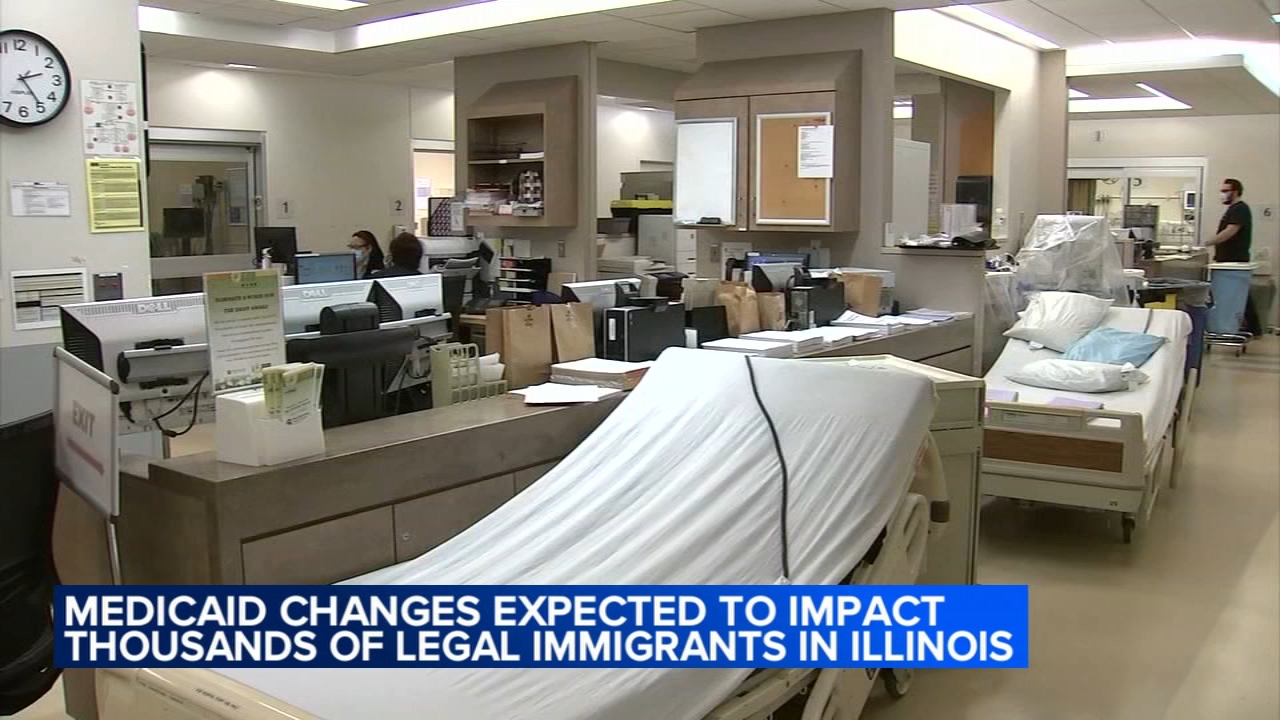
Under the change, officers can once again factor in an applicant's use of programs such as Medicaid, food assistance and housing support when judging whether that person might become dependent on public resources. Notably, the rule does not spell out a fixed list of disqualifying benefits. Instead, it instructs officers to make “individualized, fact-specific public charge inadmissibility determinations, based on a totality of the alien's circumstances” — language that critics say gives adjudicators wide and unpredictable discretion.
The concept of “public charge” is not new; it has roots in immigration law stretching back more than a century and is meant to screen out those deemed likely to become primarily dependent on the government. But how aggressively it is applied has swung sharply between administrations, and the latest move restores one of the most expansive interpretations.
Immigration analysts warn the practical impact will reach well beyond those actually denied. By one estimate cited in coverage of the rule, roughly 950,000 people in immigrant households could forgo public benefits or decline to apply for them out of fear it could jeopardize their immigration cases — including U.S.-citizen children who are fully entitled to that assistance. Advocacy organizations call this the “chilling effect,” and point to research from the previous rollout showing enrollment drops in nutrition and health programs.
Supporters of the policy argue it simply enforces a long-standing principle that newcomers should be self-sufficient. “No more dependency,” officials framed the shift, casting it as a return to prioritizing immigrants who can support themselves. The rule is likely to face legal challenges, as an earlier iteration did during Trump's first term, setting up another courtroom fight over how the government defines who is welcome to stay.
The fight echoes one of the most contentious immigration battles of Trump's first term. A sweeping 2019 public-charge rule triggered a barrage of lawsuits and reached the Supreme Court before the Biden administration rescinded it in 2021 and replaced it with the narrower 2022 standard now being undone. Studies from that period documented sharp drops in enrollment in nutrition and health programs among immigrant families, including declines among U.S.-citizen children, as households avoided any government contact they feared could count against a relative. Legal-aid groups say they are already fielding anxious questions and are preparing to challenge the revived rule in court once it is published.