Francis Halzen Wins Nobel Physics Prize for IceCube's Hunt for Ghost Particles
The 82-year-old Belgian-American physicist at the University of Wisconsin-Madison is honored for realizing that Antarctic ice could reveal high-energy neutrinos streaming in from distant galaxies.

Francis Halzen won the 2026 Nobel Prize in physics on Tuesday for his decisive contributions to the IceCube Neutrino Observatory and the discovery of high-energy neutrinos of astrophysical origin. The Royal Swedish Academy of Sciences announced the award in Stockholm. Halzen, 82, was born in Belgium and works at the University of Wisconsin-Madison, which operates the detector at the South Pole.
"It was a great surprise and I obviously didn't expect it," Halzen told the committee by phone from Italy, in a call broadcast at the announcement. He said it had been predicted he would win, but that the news still made him feel "strange." Then he added a pitch: "I am working on a proposal, and I hope that this prize will help getting it approved," he said, to chuckles from the audience.
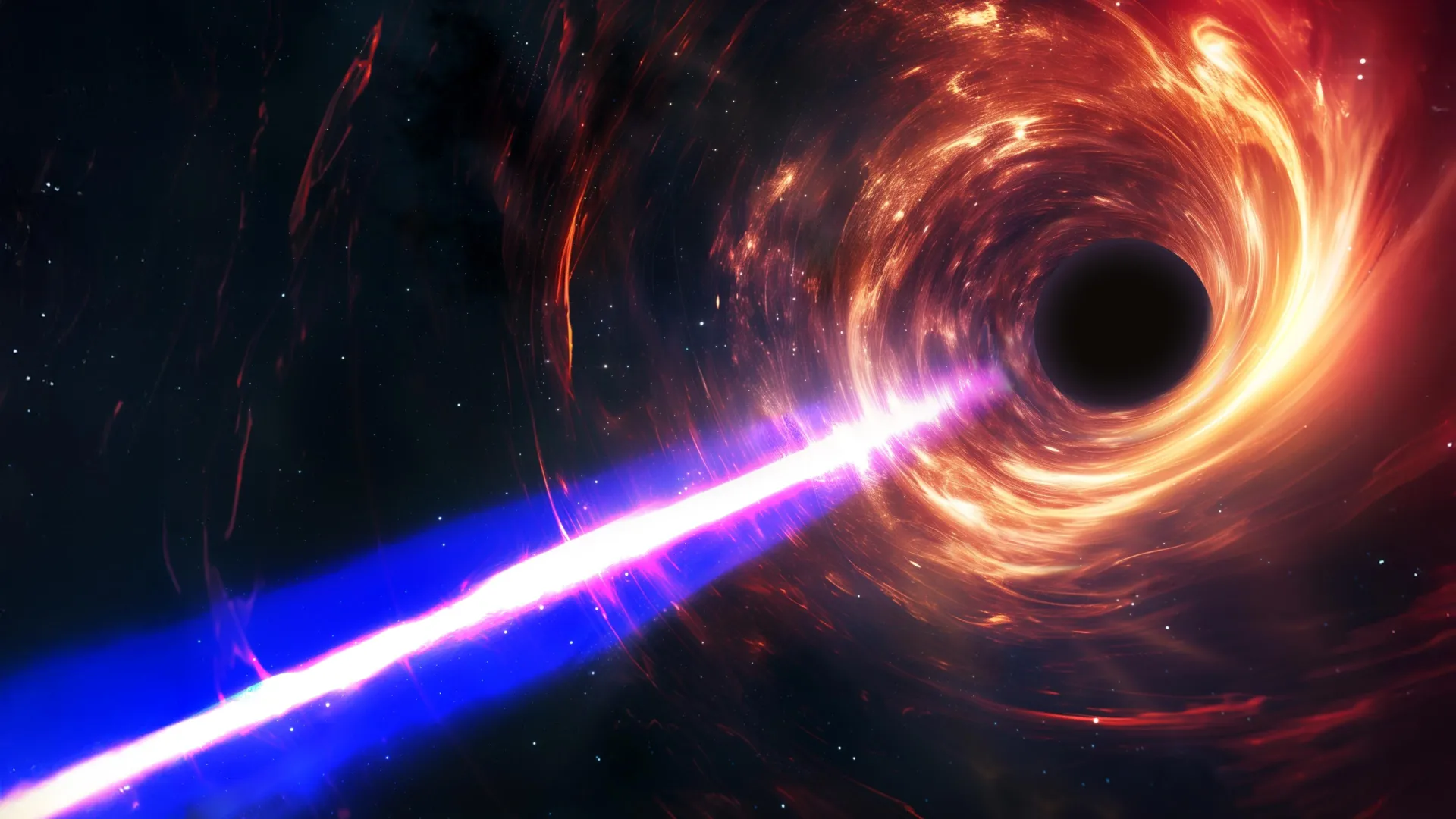
Neutrinos are particles with a vanishingly small mass. They stream from stars, including the sun, and trillions pass through a human body every second without leaving a trace. Scientists cannot see them directly. They detect the rare occasions when a neutrino collides with other matter and produces a flash of light or charged particles. The high-energy neutrinos Halzen chased are far rarer than solar ones, and they carry information from violent events far beyond the Milky Way.
Committee member Eva Olsson credited his central idea. "Francis Halzen realized that the ice at the South Pole could visualize these neutrino messengers from cosmos," she said. "People joined him in the quest for these neutrino messengers. The messenger is bringing information from cosmos. They opened the door to distant galaxies and tell us about the processes of exploding stars."
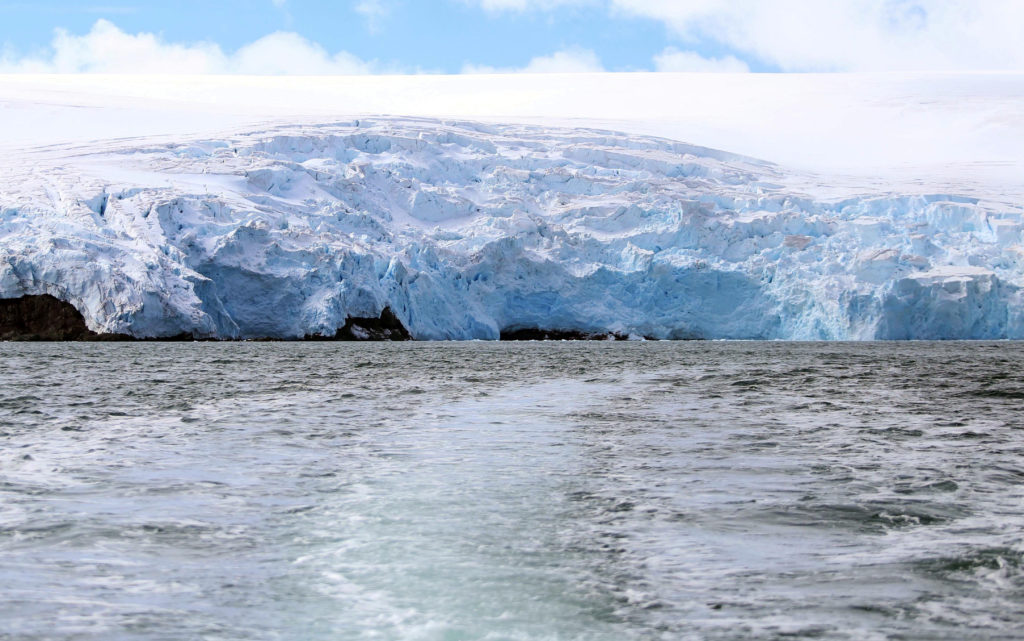
IceCube instruments a cubic kilometer of clear Antarctic ice, with light sensors buried deep under the surface. When a high-energy neutrino strikes a water molecule in the ice, it produces a burst of light that the sensors record, which lets researchers work out the particle's energy and the direction it came from. The observatory came online in 2010. In 2013 the team announced 28 neutrinos from outside the solar system, including two nicknamed Bert and Ernie that were the highest-energy neutrinos ever seen.
Michael Moloney, chief executive of the American Institute of Physics, called the work "a revolutionary way of understanding the universe that we didn't have before." Belgian Prime Minister Bart De Wever congratulated Halzen, whom he described as the 11th Belgian to win a Nobel prize, and praised a lifetime "dedicated to shedding light on the great mysteries of the cosmos through its smallest components."
The prize is worth 12 million Swedish kronor, about $1.2 million. Ellen Moons, the academy's secretary-general and the first woman to lead it, made the announcement. Last year's physics prize went to three scientists for work on quantum tunneling, the behavior that underlies the ultrasensitive measurements in MRI machines and helped lay the groundwork for better phones and faster computers. This year's announcements began Monday, when the medicine prize went to three researchers for optogenetics.
Scientific American noted that the prize highlights large, publicly funded experimental science and marks the arrival of what researchers call multimessenger astronomy, in which neutrinos are combined with light and gravitational waves to study the same cosmic events. The laureates will receive their medals at the ceremony in Stockholm on Dec. 10.