
Physics
Mediterranean Neutrino Telescope Finds No Crack in Einstein's Relativity
KM3NeT/ORCA, running at a fraction of its planned size, analyzed 5,828 neutrinos and set the first direct limits on certain muon-tau effects.
Topic
25 stories from Planck Standard. Latest: November 8, 2026.
KM3NeT/ORCA, running at a fraction of its planned size, analyzed 5,828 neutrinos and set the first direct limits on certain muon-tau effects.

The machine-learning tool will analyze data from Fermilab's SBN program and the DUNE experiment, which is expected to start taking data in 2030.

Italian physicists say treating the electron and the nucleus together, instead of separately, makes a 30-year-old anomaly disappear. The work appears in Physical Review Letters.

The 82-year-old Belgian-American physicist at the University of Wisconsin-Madison is honored for realizing that Antarctic ice could reveal high-energy neutrinos streaming in from distant galaxies.

A team measured 15 pristine galaxies over 130 hours at the Large Binocular Telescope. Their uncertainty is three times smaller than the previous standard.

In 195 simulated star deaths, adding neutrino 'flavor' changes flipped many stars between 16 and 30 solar masses from supernovae to silent black holes, which could explain why astronomers see fewer explosions than expected.
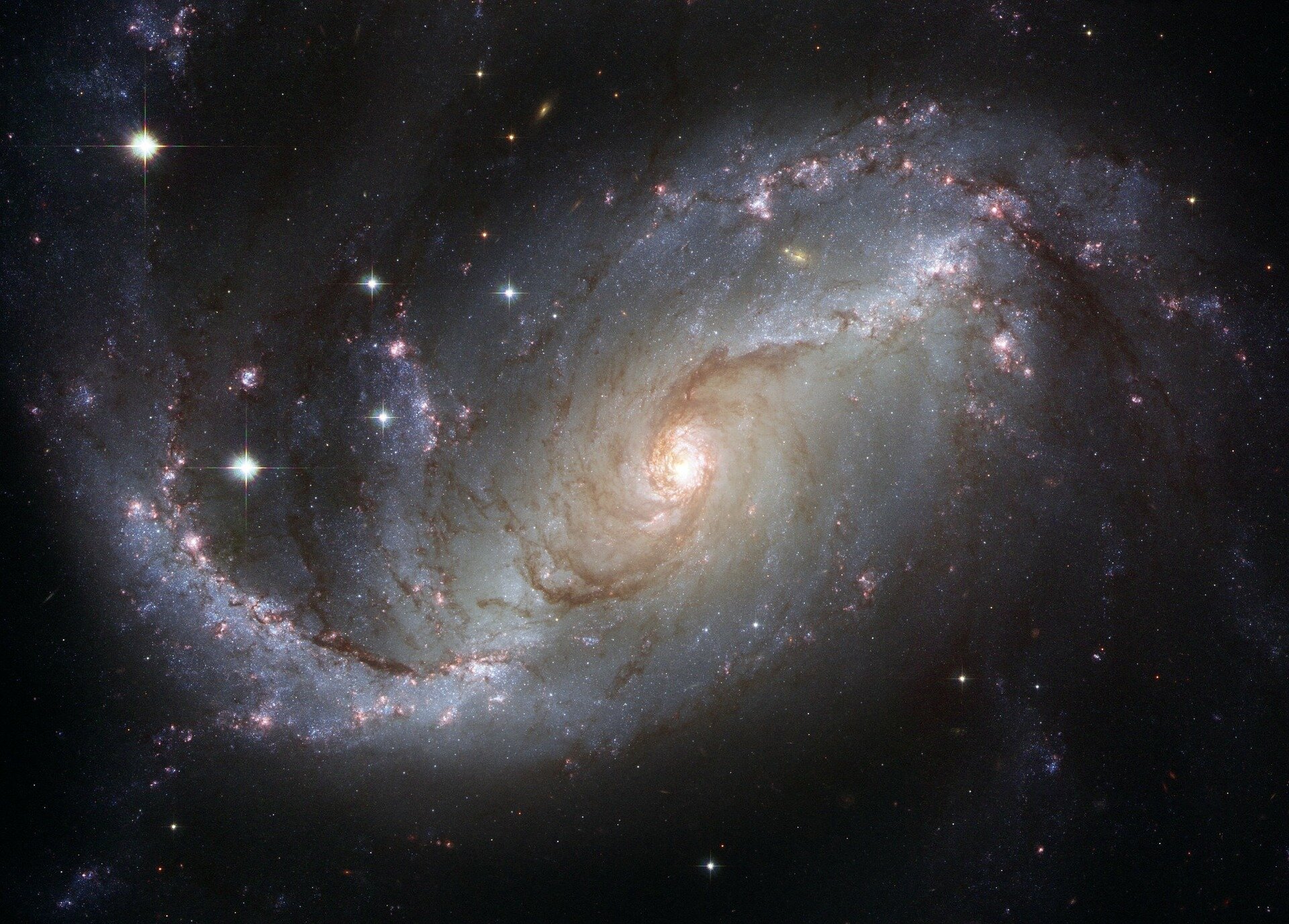
Using the Large Binocular Telescope to read helium lines in 48 metal-poor galaxies, the LBT Yp Project pinned the primordial helium fraction at 0.2458 ± 0.0013, cut the uncertainty from about 2% to nearly 0.5%, and found no room for a fourth neutrino in the universe's first seconds.

XENONnT pushed the direct detection threshold for neutrinos lower than anyone has managed before. The signal comes from the proton-proton fusion that powers the Sun.

Wolfgang Ketterle's group worked through a 2025 proposal to build a coherent neutrino beam from a Bose-Einstein condensate. The recoil alone ends it, and then there is the problem of neutrinos being fermions.

XENONnT found nothing — and that nothing is the tightest limit yet on axion-like particles and dark photons. It is the first detector to reach the boundary where the sun's own neutrinos start masquerading as a signal.

The Double Chooz experiment logged about 100 antineutrinos during 17 days when both reactors next door were shut down — the first measurement of its kind, and a possible new tool for catching cheating on nuclear treaties.
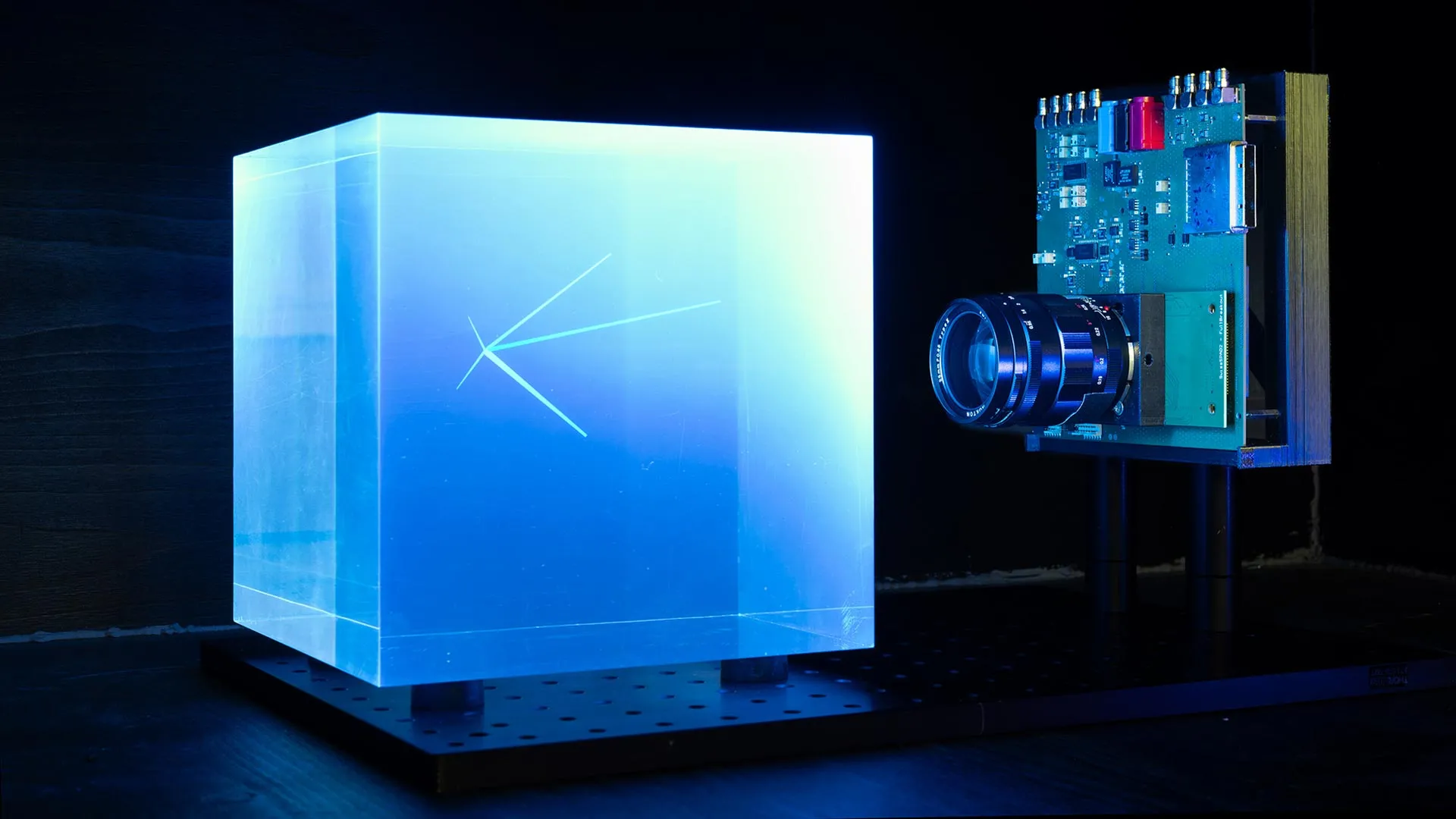
A Swiss team's detector, called PLATON, could replace millions of tiny sensor components with a single block of light-producing material, using a light-field camera and AI to reconstruct particle tracks.

Transfer learning slashes the cost of cosmological simulations, yet a Princeton team warns the same shortcut can trick AI into missing real discoveries.
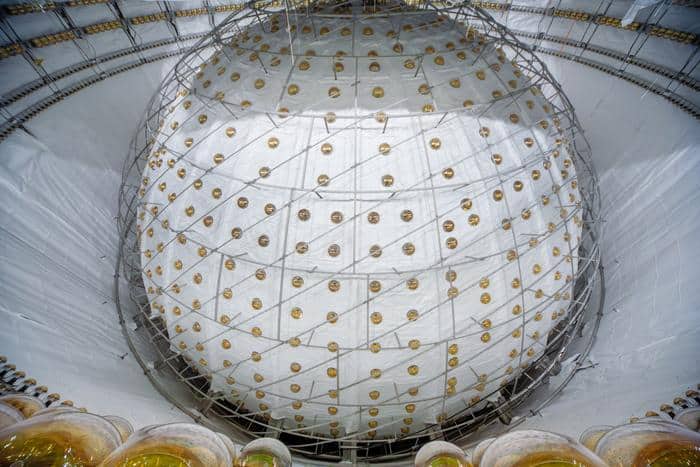
Featured on the cover of Nature, the giant underground observatory measured key neutrino properties with record precision after just two months of data — and put itself on track to crack one of physics' biggest puzzles.
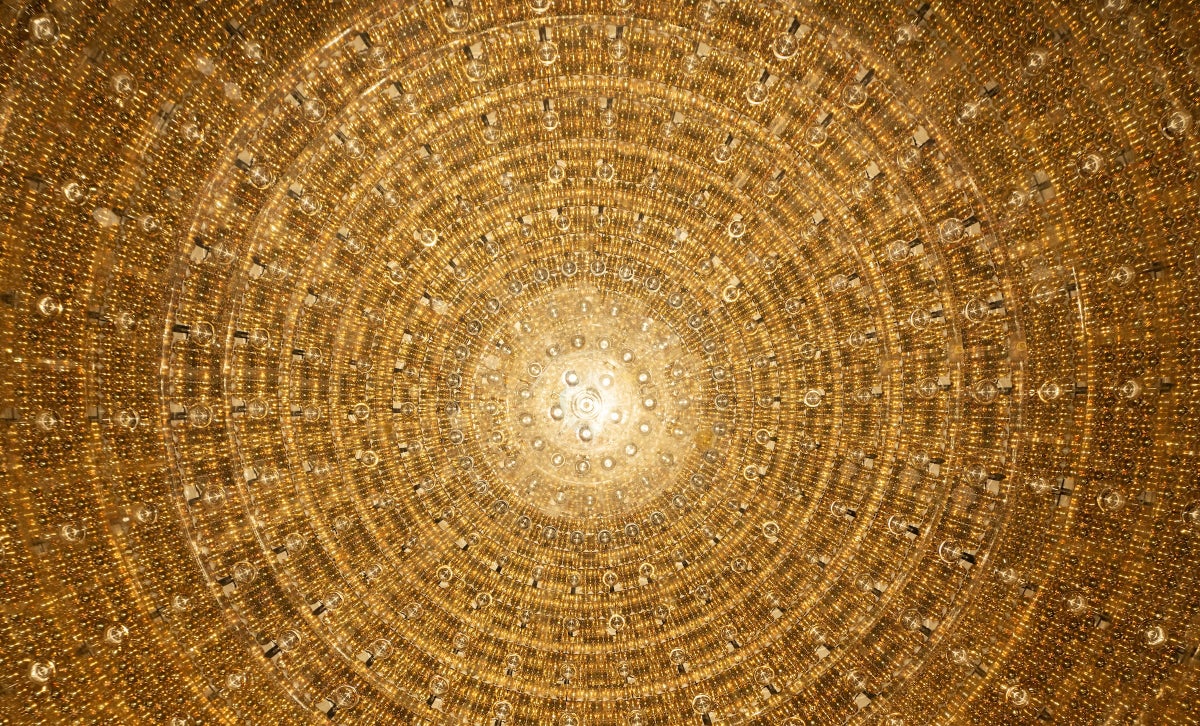
The Jiangmen Underground Neutrino Observatory's first results, published in Nature, sharpen two key oscillation parameters by a factor of 1.6 — a major step toward solving the neutrino mass puzzle.
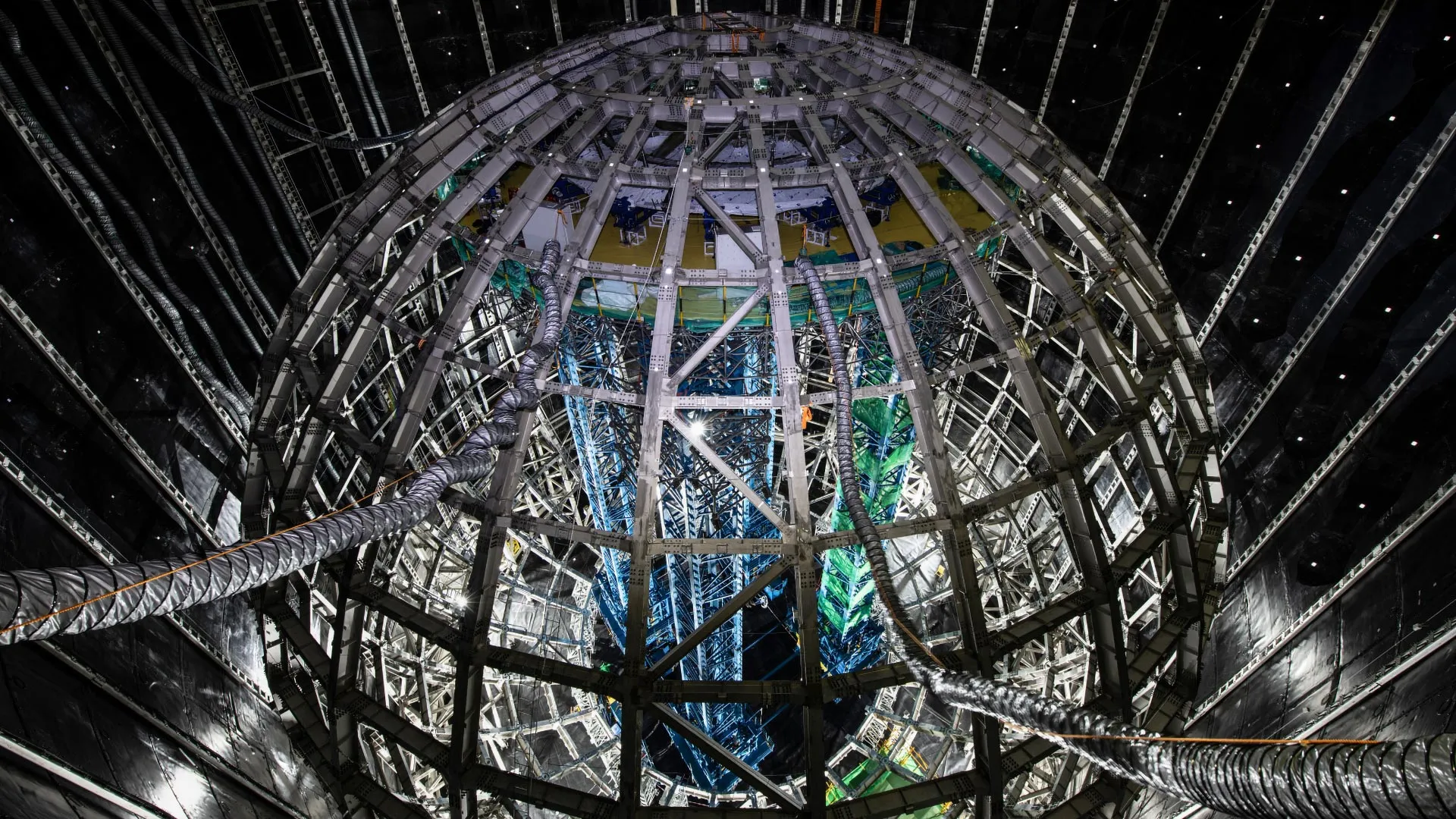
China's JUNO observatory achieves record precision in neutrino measurements, bringing scientists closer to solving the neutrino mass hierarchy puzzle.
China's JUNO detector achieves breakthrough measurements using just 59 days of data, boosting confidence for solving neutrino mass mystery.
JUNO detector reduces measurement uncertainties by factor of 1.6 using just 59 days of data, bringing scientists closer to solving neutrino mass hierarchy mystery.
The JUNO experiment achieved breakthrough results using just 59 days of data, improving measurement accuracy by 60% compared to decades of previous research combined.
JUNO detector delivers most precise measurements of neutrino oscillation parameters using just 59 days of data, advancing the quest to solve fundamental particle mysteries.
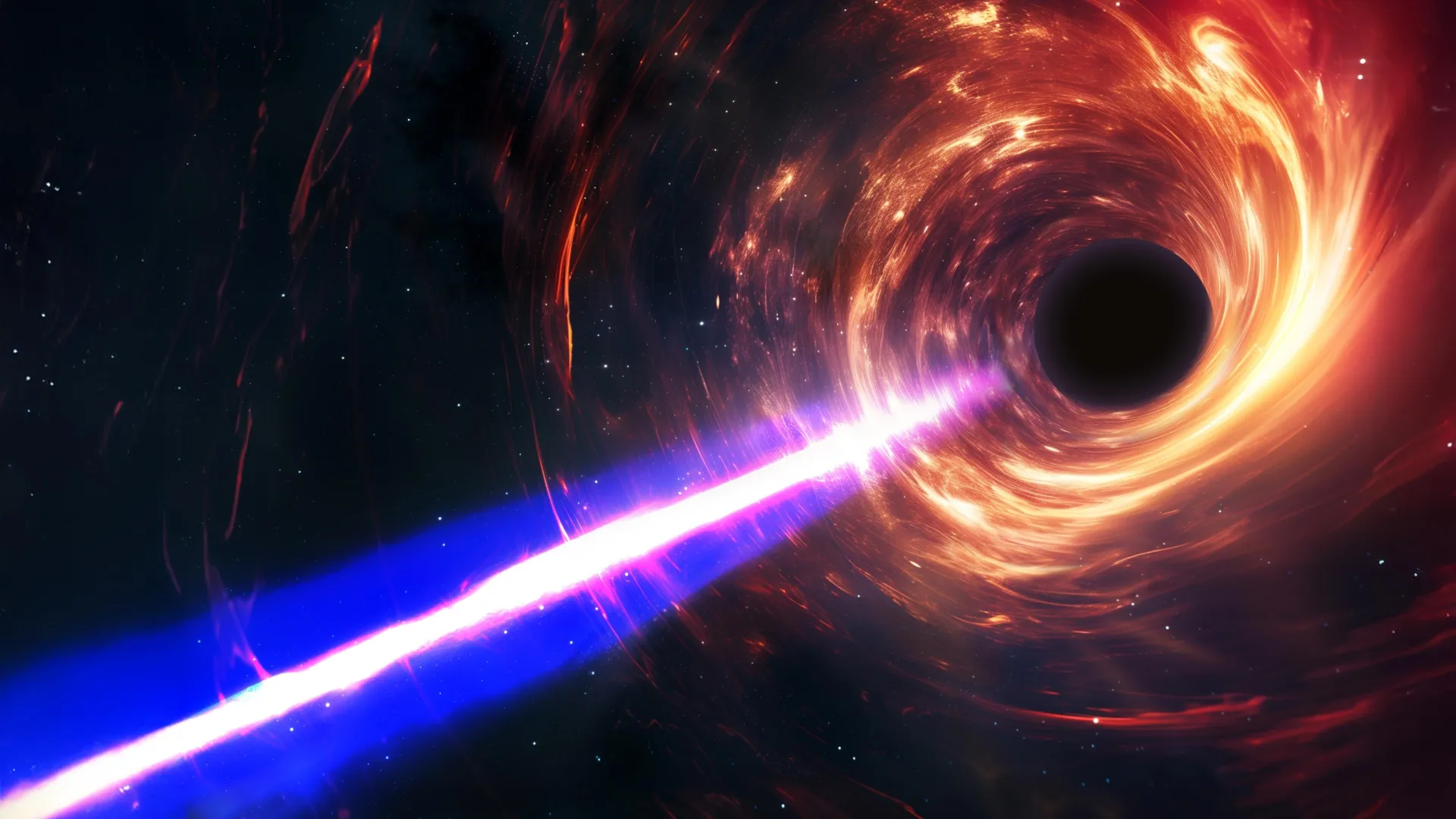
Researchers point to blazars—supermassive black holes shooting plasma jets toward Earth—as likely origin of record-breaking 220 PeV particle.
Researchers believe the 220 PeV particle detected in Mediterranean Sea originated from supermassive black holes shooting jets directly toward Earth.
Researchers identify blazars as likely culprits behind record-breaking cosmic particle detected in Mediterranean Sea.
Researchers trace mysterious 220 PeV particle that slammed through Mediterranean Sea to blazars—supermassive black holes shooting jets directly at Earth.

Cross-referencing a decade of Antarctic neutrino data with X-ray telescope observations, scientists have found the strongest statistical evidence yet that X-ray luminous active galactic nuclei are a primary source of cosmic neutrinos.