Chinese Underground Observatory Achieves Breakthrough Neutrino Measurements With Unprecedented Precision
JUNO detector reduces measurement uncertainties by factor of 1.6 using just 59 days of data, bringing scientists closer to solving neutrino mass hierarchy mystery.
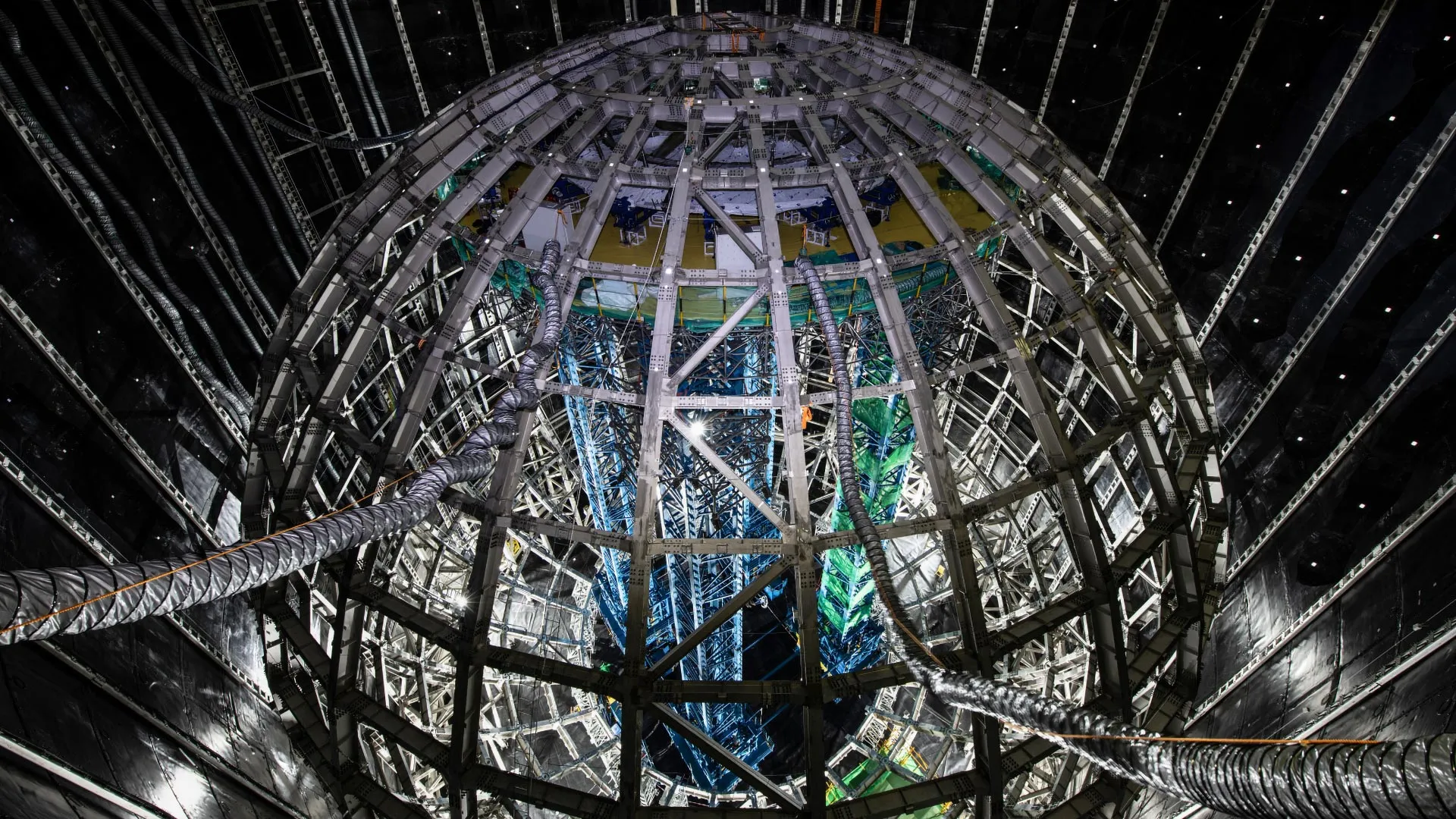
Deep beneath the ground in China, the massive Jiangmen Underground Neutrino Observatory has delivered its first major scientific breakthrough, achieving one of the most precise measurements yet of how elusive neutrinos change as they travel through space. Using just 59 days of validated data collected between August and November 2025, researchers from the international JUNO Collaboration sharply improved measurements of key neutrino properties, reducing uncertainties by a factor of 1.6 compared to the combined results from previous experiments conducted over several decades. The achievement, published as a cover article in Nature on June 10, validates the detector's exceptional performance and positions JUNO as a key player in the emerging precision era of neutrino physics.
Neutrinos rank among the most mysterious particles in the universe, carrying no electric charge and possessing extremely small masses while interacting only weakly with matter. Vast numbers of these ghostly particles pass through Earth and even human bodies without leaving any trace, making them extraordinarily difficult to detect and study. Because of their elusive nature, neutrinos remain the least understood of all known elementary particles, despite their abundance throughout the cosmos. Scientists estimate that trillions of neutrinos pass through every square centimeter of space every second, yet their fundamental properties continue to puzzle researchers.
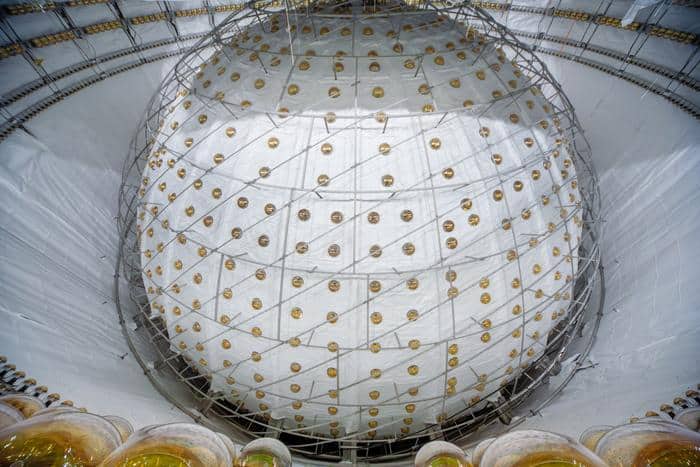
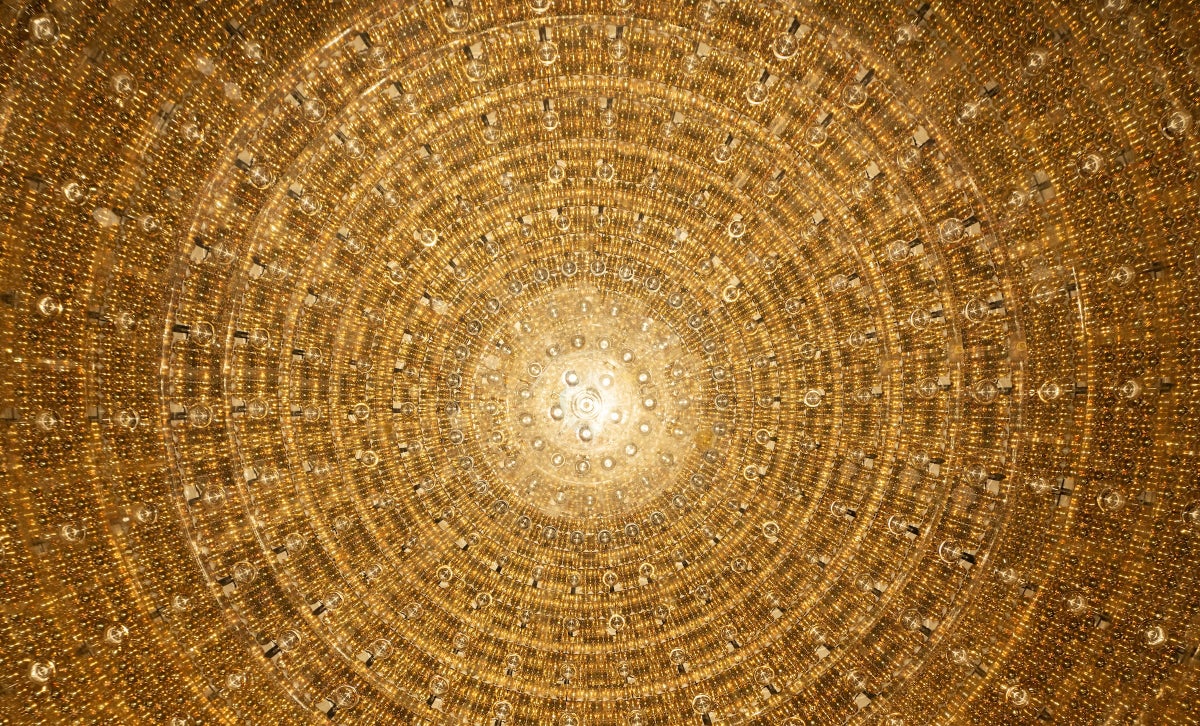
The JUNO experiment represents a technological marvel designed specifically to tackle one of particle physics' biggest mysteries: determining the true mass hierarchy of neutrinos. Located deep underground to shield it from cosmic radiation and other interference, the detector uses sophisticated instruments to capture the rare interactions that occur when neutrinos collide with specially prepared materials. The facility's advanced design allows researchers to measure neutrino oscillations with unprecedented precision, providing insights into how these particles transform between different types as they travel across vast distances.
Peer reviewers praised the study's significance for advancing neutrino research, with one noting that the results "not only validate the detector performance and analysis methodology but also establish JUNO as a key player in the emerging precision era of neutrino oscillation physics." The reviewer emphasized that the findings have "direct implications for tests of the three-flavor paradigm, global oscillation fits, and future determinations of the neutrino mass ordering." Nature magazine highlighted the work in a separate News & Views article, describing it as marking "the dawn of the next era of precise neutrino oscillation measurements."
The breakthrough demonstrates JUNO's readiness to pursue its ambitious physics goals, including studying neutrinos produced by supernovae, Earth's interior, the Sun, and the atmosphere. Professor Arthur McDonald, who received the 2015 Nobel Prize in Physics for discovering solar neutrino oscillation, commented that "JUNO has met its design objectives, achieving exceptional radiopurity, energy resolution, and detector stability." As the experiment continues collecting data, researchers anticipate that JUNO's precision measurements will provide crucial insights into fundamental questions about the nature of matter and forces at the smallest scales, potentially revolutionizing our understanding of these enigmatic particles.