
Physics
Cosmic-Ray Muons Reveal a 1.3-Gigavolt Thunderstorm, Ten Times Any Direct Measurement
India's GRAPES-3 telescope recorded 487 storms in nine years. A new study explains why it sees far more of them to the east.
Topic
22 stories from Planck Standard. Latest: October 4, 2026.
India's GRAPES-3 telescope recorded 487 storms in nine years. A new study explains why it sees far more of them to the east.

IRAS 18293-0941 pairs a 10-solar-mass black hole with a hot star. Its jet slams into a gas cloud 100 light-years away, where particles may reach energies about 100 times the Large Hadron Collider's.

Cosmic-ray observatories in Utah and Argentina have to guess how the first collision in the upper atmosphere unfolds. For a few days in July 2025, CERN stopped guessing and photographed it.
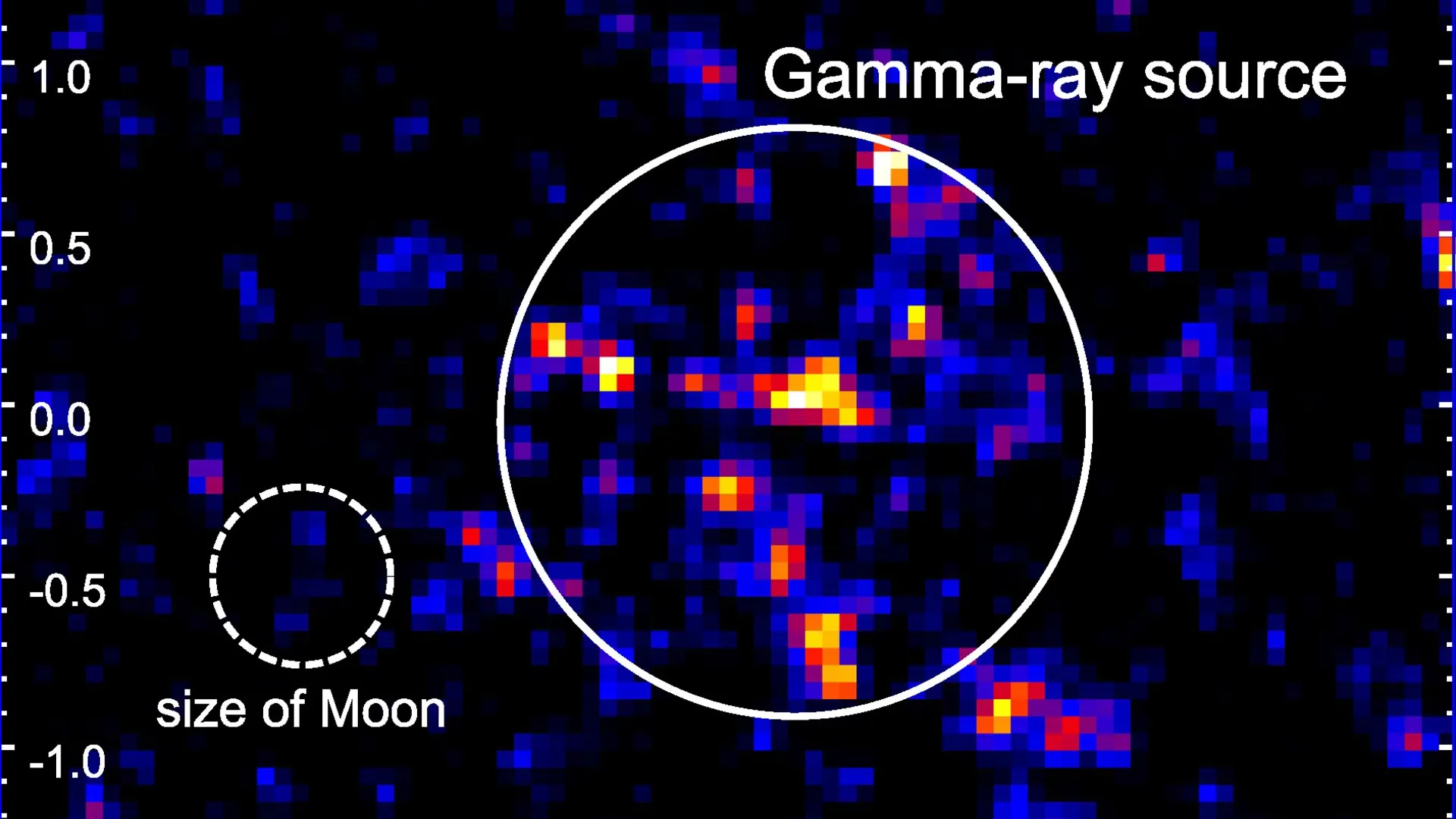
Astronomers have confirmed LHAASO J1912+1014u as a proton PeVatron, the kind of natural accelerator that has been hunted for decades as the source of the galaxy's highest-energy cosmic rays.
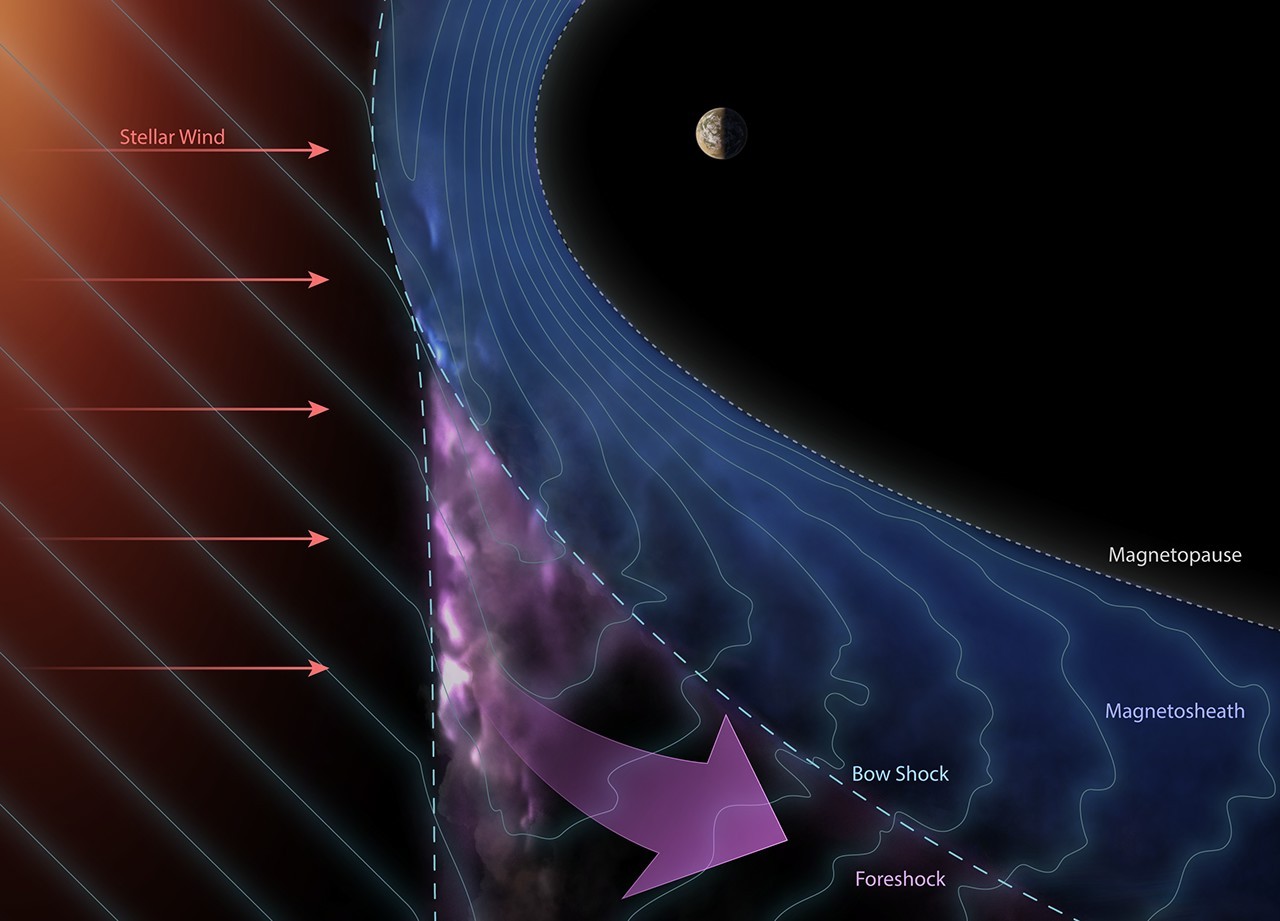
Electrons accelerated in the turbulent region ahead of Jupiter's bow shock offer the first direct evidence that the same process powering them also forges cosmic rays across the galaxy.

New research suggests the most powerful cosmic rays may be ultraheavy atomic nuclei that retain energy better while traveling through space than previously thought.
New research suggests the mysterious Amaterasu particle and similar cosmic rays may be atomic nuclei heavier than iron that retain energy across vast distances.
New research suggests the most powerful cosmic rays could be atomic nuclei heavier than iron, potentially explaining how these extreme particles reach Earth with unprecedented energies.
New research suggests the most extreme cosmic rays could be ultraheavy atomic nuclei from distant explosions, not protons as previously thought.
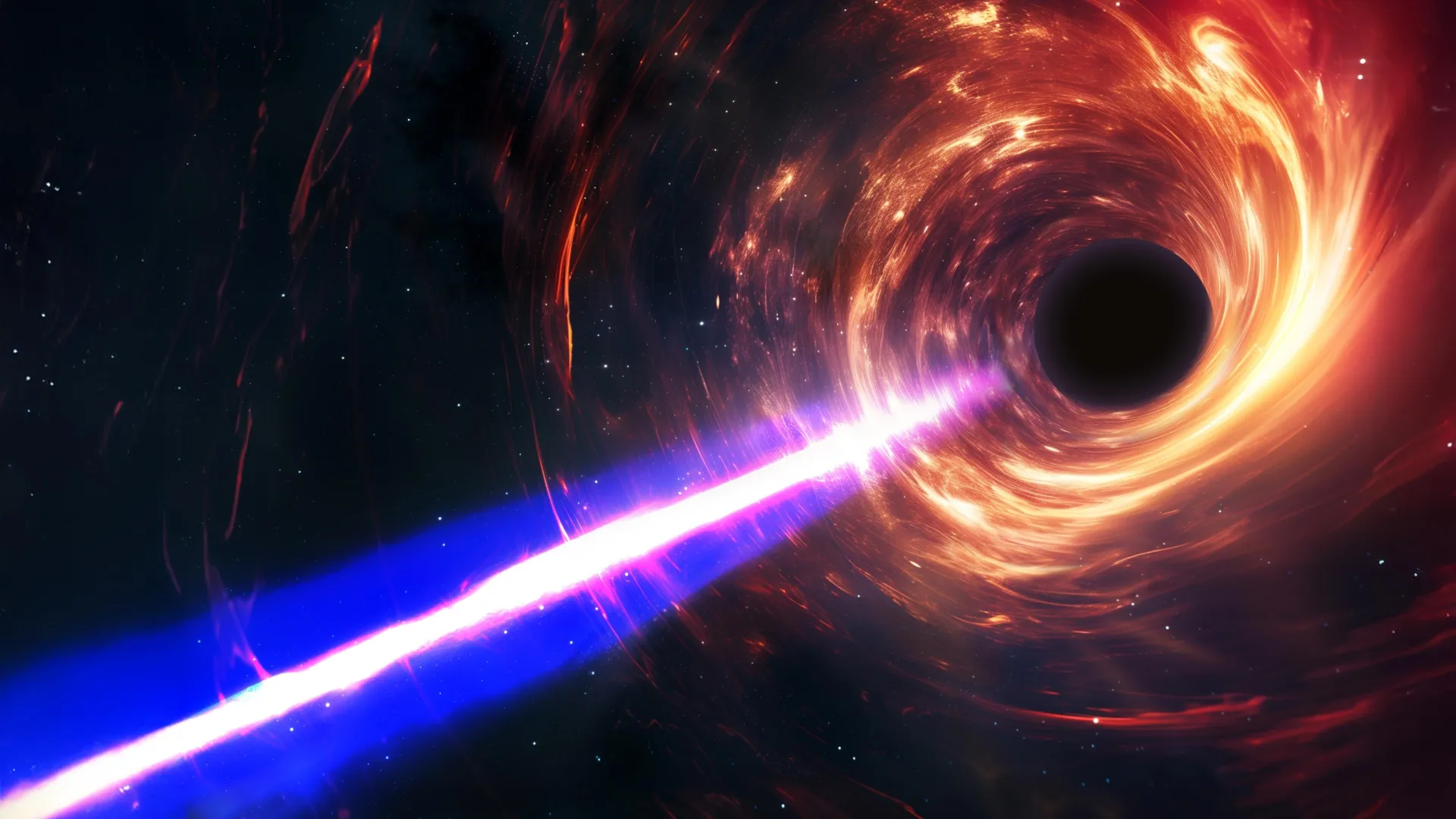
Researchers point to blazars—supermassive black holes shooting plasma jets toward Earth—as likely origin of record-breaking 220 PeV particle.
Researchers believe the 220 PeV particle detected in Mediterranean Sea originated from supermassive black holes shooting jets directly toward Earth.
Researchers believe the record-breaking 220 PeV particle detected in the Mediterranean Sea originated from supermassive black holes shooting jets directly toward Earth.
Researchers identify blazars as likely culprits behind record-breaking cosmic particle detected in Mediterranean Sea.
Researchers trace mysterious 220 PeV particle that slammed through Mediterranean Sea to blazars—supermassive black holes shooting jets directly at Earth.
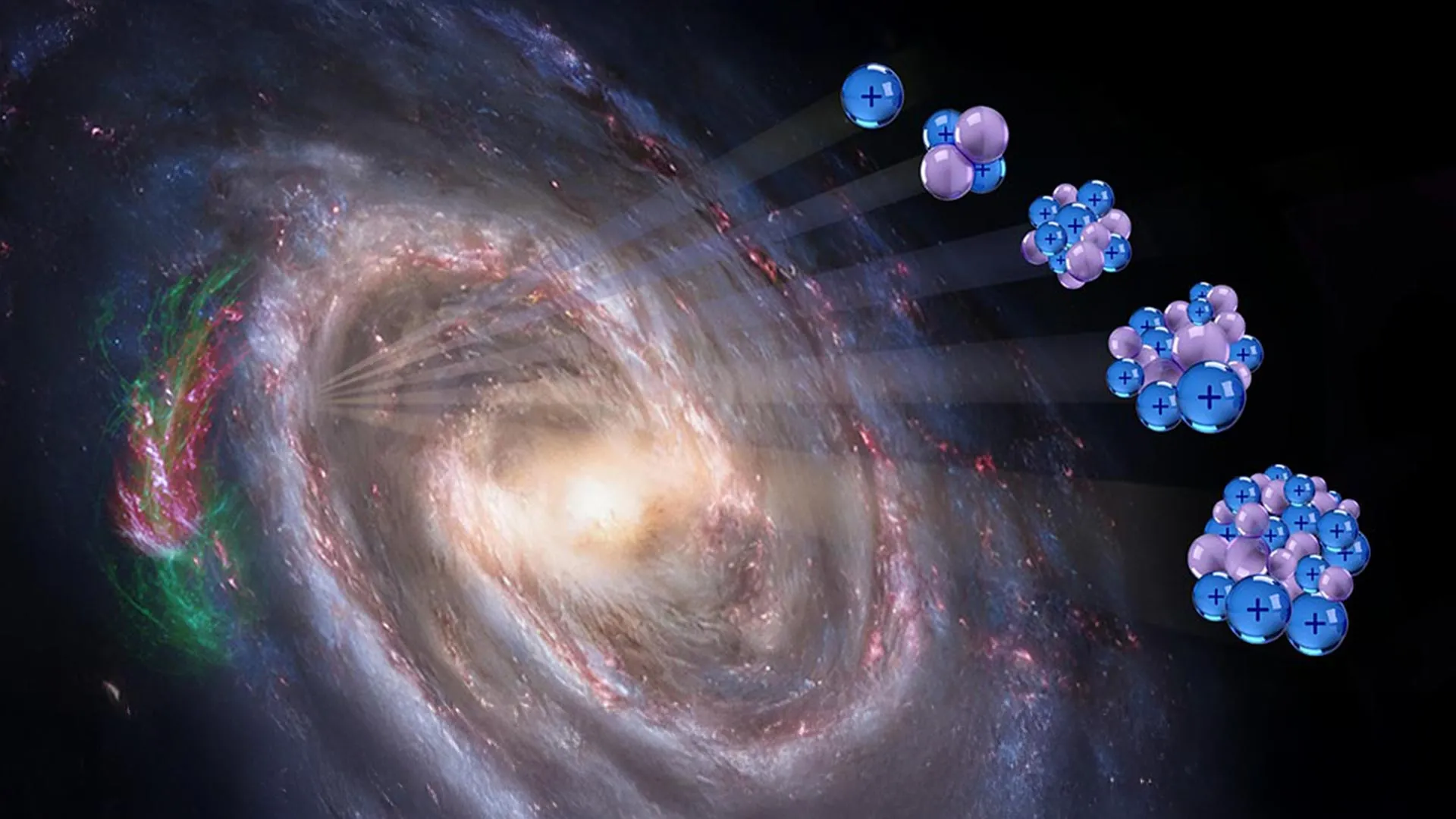
DAMPE space telescope reveals universal pattern governing mysterious high-energy particles from across the galaxy.
DAMPE space telescope reveals that all cosmic ray particles follow the same fading pattern, potentially solving century-old puzzle about their origins.
DAMPE space telescope reveals universal pattern in mysterious high-energy particles, offering new clues about their galactic origins and behavior.
Researchers using the DAMPE space telescope discovered that cosmic ray particles all fade away at the same point, revealing a hidden rule governing their behavior.
DAMPE space telescope reveals universal pattern governing mysterious ultra-powerful particles traveling across the galaxy.
DAMPE space telescope reveals universal pattern as particles fade at exact same point, suggesting hidden rule governing galactic behavior.
Researchers using the DAMPE space telescope uncovered a hidden rule governing ultra-powerful particles that travel across the galaxy, potentially solving one of physics' longest-standing puzzles.
Scientists propose that an "impossible" particle detected in 2023 originated from a rare black hole explosion that could reveal new physics and dark matter secrets.