Asteroid Bennu's Amino Acid Holds the Biggest Isotope Anomaly Ever Seen in Space Organics
Penn State researchers found one carbon atom in a single molecule wildly out of balance with its neighbors, evidence of chemistry that may predate Earth.
Topic
10 stories from Planck Standard. Latest: November 12, 2026.

Penn State researchers found one carbon atom in a single molecule wildly out of balance with its neighbors, evidence of chemistry that may predate Earth.
Penn State researchers discovered that a lattice-like skeleton just beneath a neuron's surface controls what the cell absorbs — and when it weakens, harmful Alzheimer's proteins flood in.

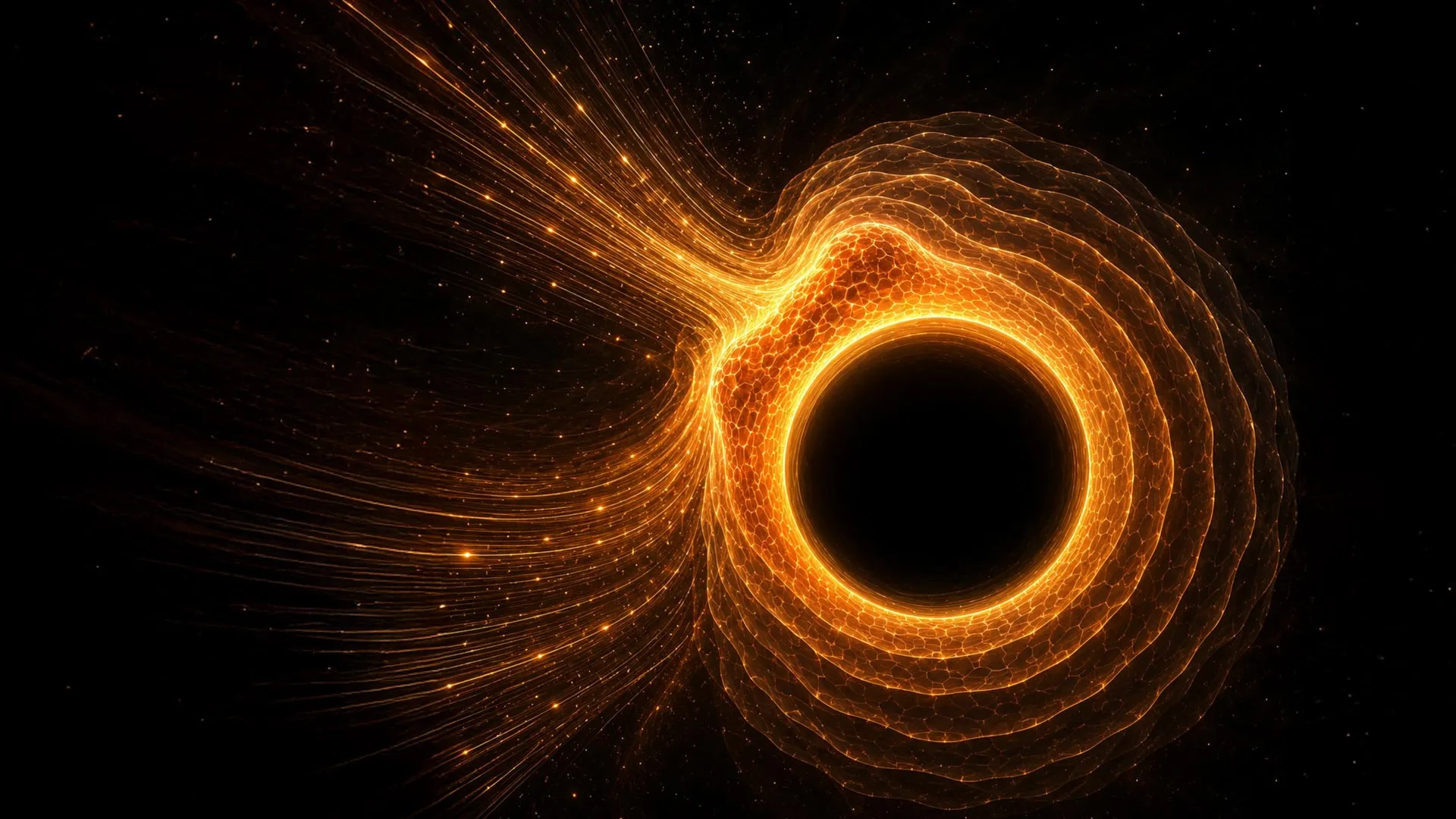
A Penn State team led by Abhay Ashtekar has devised a new entropy measure that extends the laws of black hole thermodynamics to objects that grow, merge and evaporate — not just idealized, static ones.

New research suggests the most powerful cosmic rays may be ultraheavy atomic nuclei that retain energy better while traveling through space than previously thought.

New research suggests the mysterious Amaterasu particle and similar cosmic rays may be atomic nuclei heavier than iron that retain energy across vast distances.

New research suggests the most powerful cosmic rays could be atomic nuclei heavier than iron, potentially explaining how these extreme particles reach Earth with unprecedented energies.

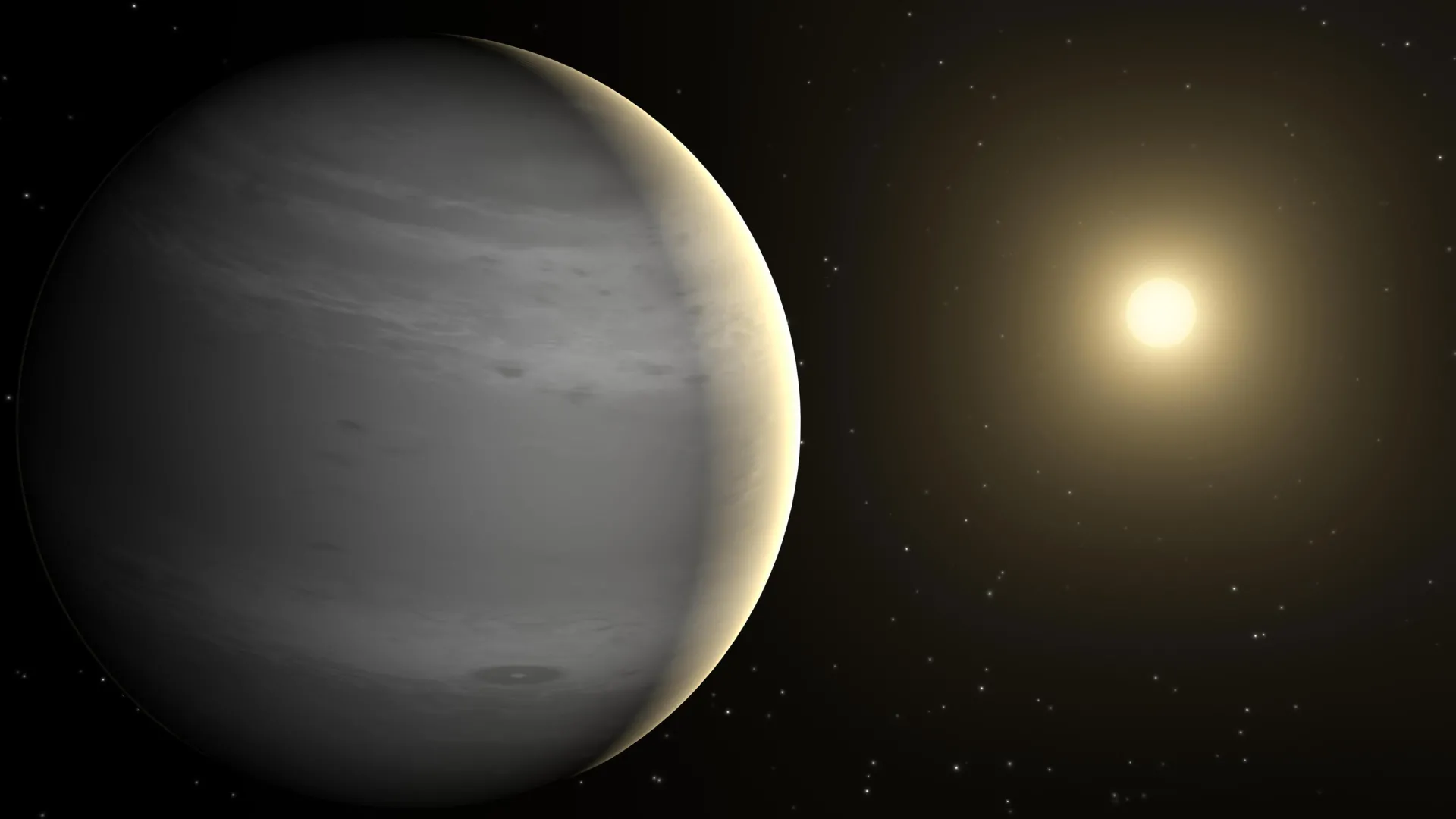
Penn State astronomers used a seven-hour transit and 20 hours of baseline observations with the Webb telescope to detect methane at an unprecedented 11-sigma confidence level, with hints of ammonia and carbon dioxide, opening the first clean window into a planet class that fills the gap between hot Jupiters and our own solar system.

Supercomputer calculations reveal the apparent violation of physics was likely due to limitations in earlier theoretical work, confirming the Standard Model remains intact.

Decades-long mystery that hinted at new physics forces resolved after supercomputer calculations show Standard Model remains intact.

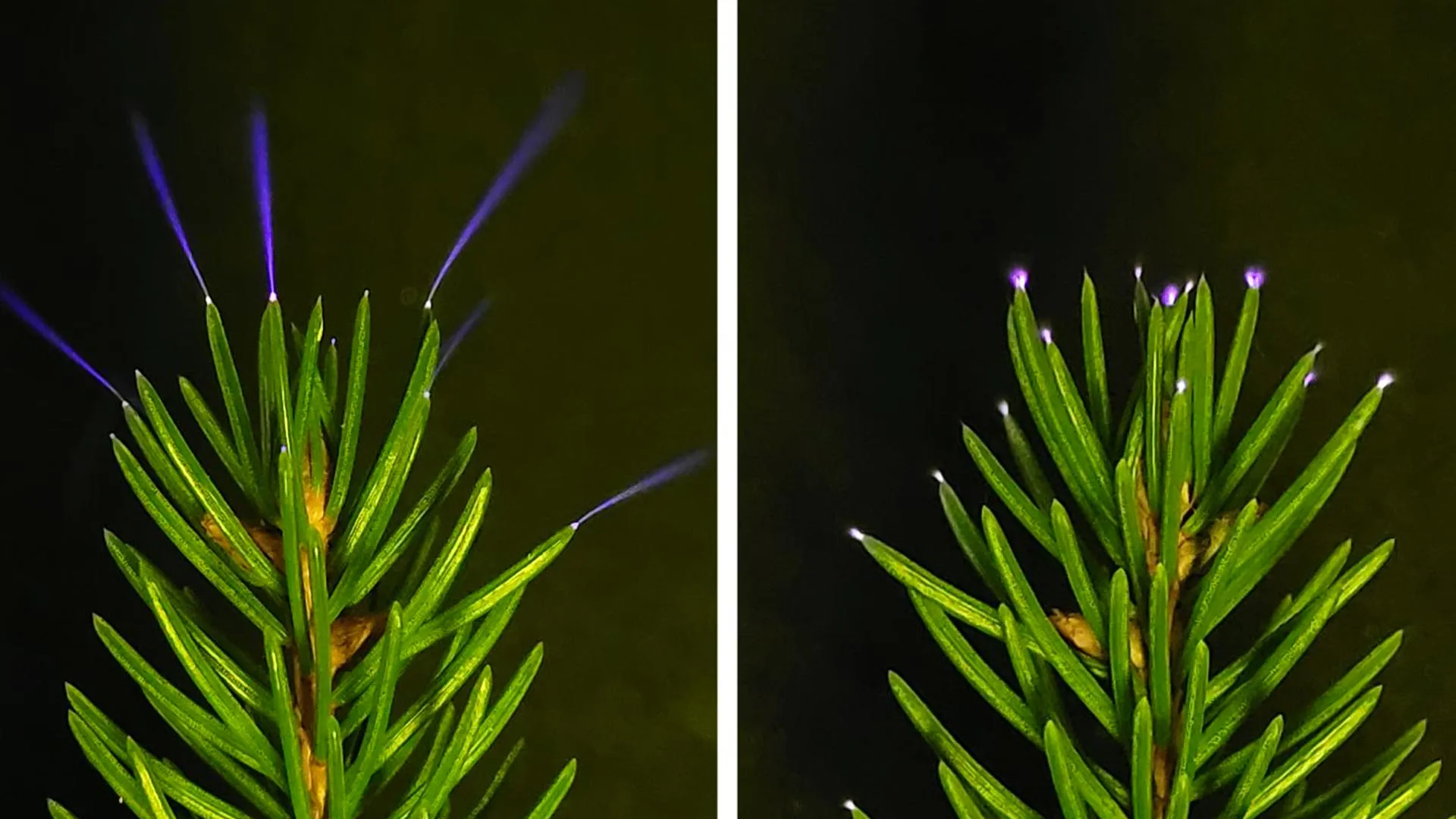
Researchers driving storm-chasing equipment finally observed 'corona discharges' in nature—faint UV flashes from treetops that had been theorized for over 70 years but never confirmed outside a laboratory.