Asteroid Bennu's Amino Acid Holds the Biggest Isotope Anomaly Ever Seen in Space Organics
Penn State researchers found one carbon atom in a single molecule wildly out of balance with its neighbors, evidence of chemistry that may predate Earth.
Topic
11 stories from Planck Standard. Latest: November 12, 2026.

Penn State researchers found one carbon atom in a single molecule wildly out of balance with its neighbors, evidence of chemistry that may predate Earth.

A study of 100,000 simulated impacts suggests the fragile chemistry in comets usually did not survive arrival, challenging a popular theory of life's origin.

University of New Mexico experiments turned nearly 80% of the iron oxide in rock samples into iron and water vapor, suggesting hundreds of oceans' worth could form this way.

Comets arrive too fast and at too sharp an angle for fragile organic molecules to survive impact, making delivery at best a 'one-off fluke,' researchers report.

University at Buffalo physicists find that the one atom separating RNA from DNA lets it clump into liquid-like droplets that could have sheltered early life's molecules.

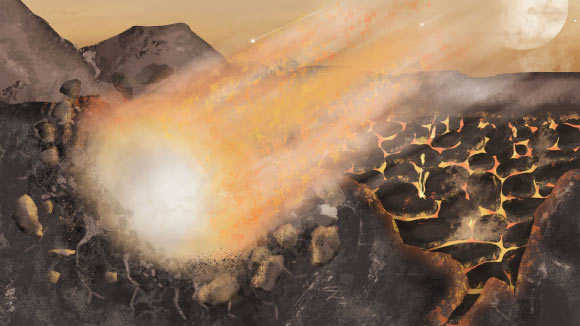
A 3D simulation of asteroid bombardment finds the planet stopped being sterilized around 4.4 billion years ago, and that impact-heated hot springs peaked just as the crust calmed down.

Kyoto University researchers say the asteroid's parent body concentrated nitrogen as its briny water froze or evaporated, acting as a slow chemical reactor.

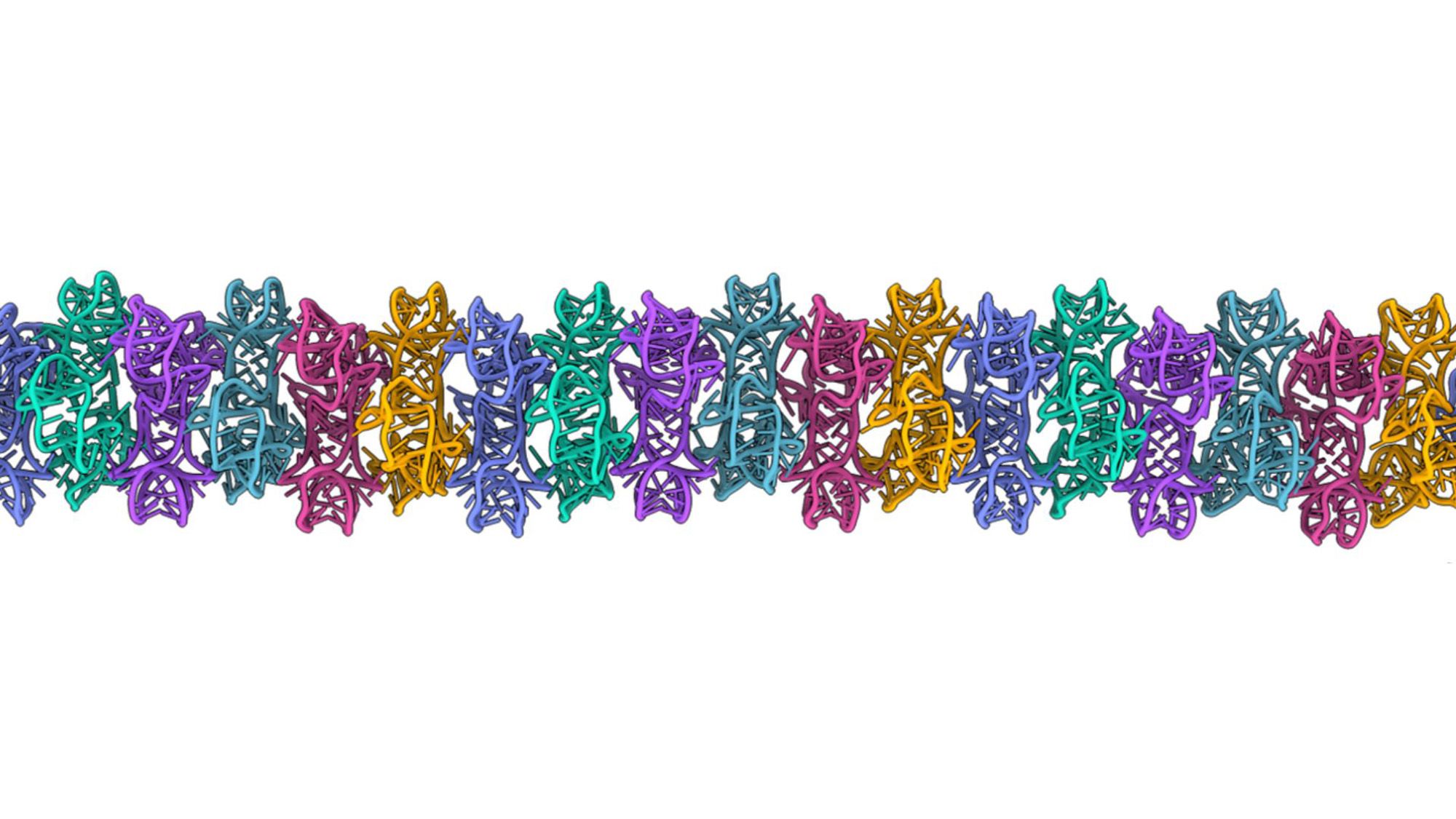
Scientists found that ordinary RNA can self-assemble into large, intricate 3D architectures once thought impossible, hinting the molecule played a bigger role at the dawn of life.

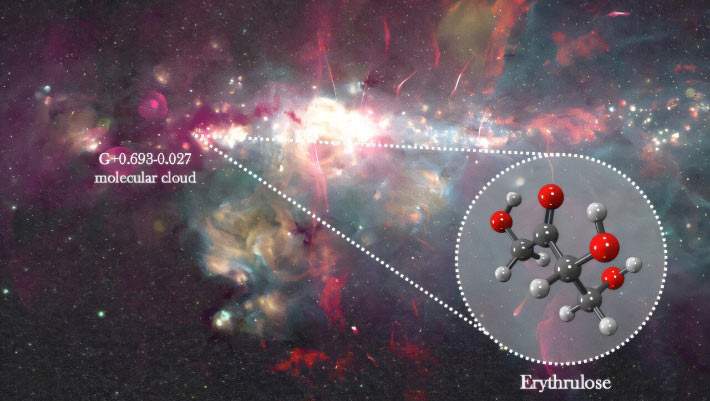
Erythrulose, a four-carbon sugar found in raspberries, was spotted in a cloud near the galaxy's center — and may have rained down on the early Earth by the millions of tons.

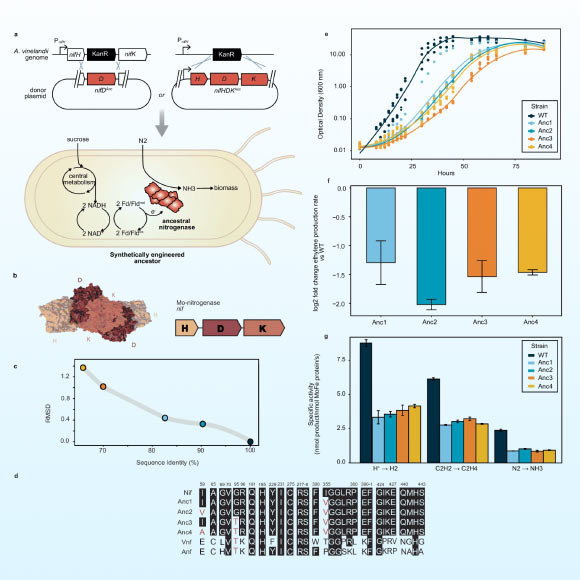
By rebuilding an ancient version of nitrogenase, researchers reopened a window on how microbes fed themselves before oxygen — and handed astrobiologists a chemical fingerprint to hunt for life beyond Earth.

A UT Austin study of 13,000 microbial genomes reveals that Asgard archaea — our most ancient ancestors — can metabolize oxygen, resolving the mystery of how two incompatible life forms merged to create eukaryotes.