Supreme Court Lets Trump Resume Deportations to Countries Migrants Have Never Lived In
The court's three liberal justices dissented from an unsigned order that pauses a ruling requiring notice and a chance to object. Full arguments are set for December.
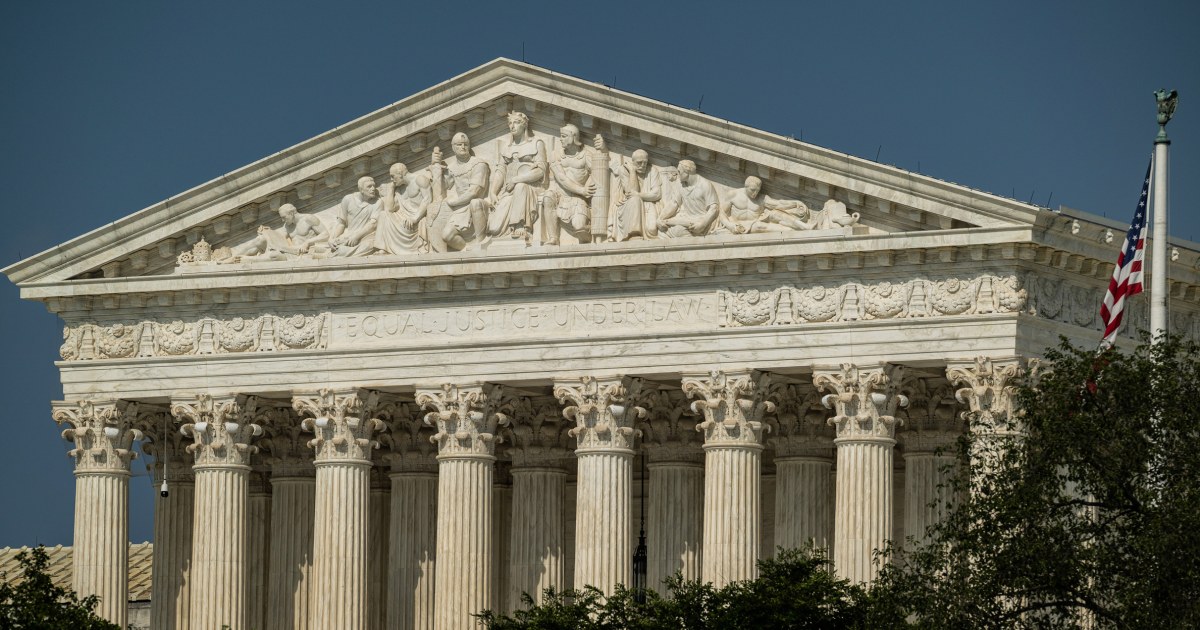
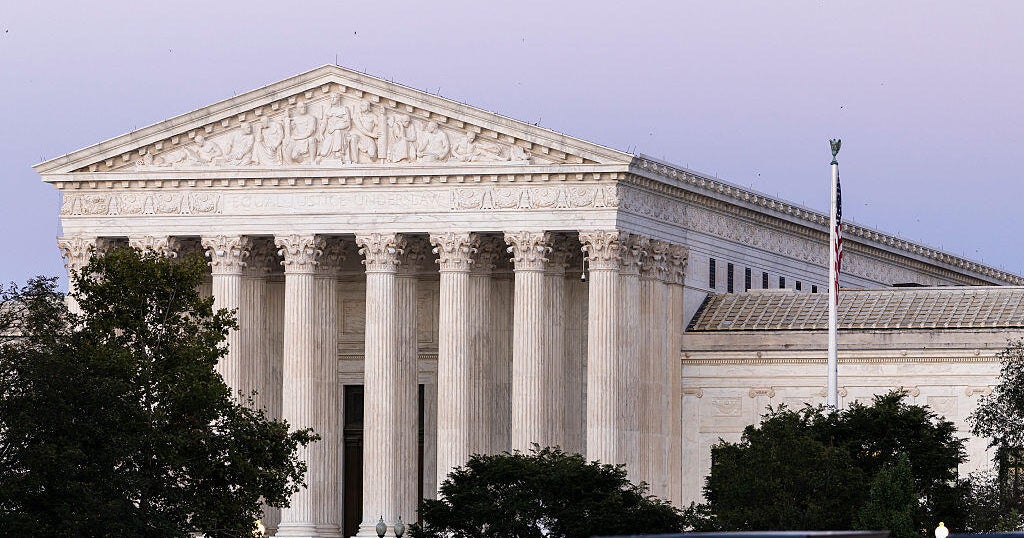
The Supreme Court on Tuesday let the Trump administration resume deporting migrants to countries where they have no citizenship or ties, pausing lower-court rulings that had required the government to give people notice and a chance to object first.
The order was unsigned. Justices Sonia Sotomayor, Elena Kagan and Ketanji Brown Jackson dissented. The court also agreed to hear full arguments on the policy in December, and CBS News reports a final decision is likely by the summer of 2027.
The dispute centers on a policy the administration put in place in March 2025. It lets officials send deportees to a third country without telling them the destination, as long as that country gives the U.S. government blanket assurances that it will not persecute or torture them. A federal district court ordered the government to provide notice and an opportunity to challenge removals, and a federal appeals court in Boston largely upheld that order earlier this month. Tuesday's order suspends the requirement while the case moves forward.
Homeland Security's top lawyer celebrated the result right away. "DHS's third country removal policy is back in effect," General Counsel James Percival said, according to CBS News. He also told the public: "A bad day for criminal illegals and open borders activists alike. It's not too late to get $3,000 and a flight home."
Immigration lawyers said the ruling puts people back in immediate danger. "People facing removal to third countries are once again at immediate risk of being sent to places where they have no meaningful opportunity to seek protection," attorney Trina Realmuto said. Lower courts had cited the risk of torture and persecution in reaching their decisions, and plaintiffs allege that some deportees sent to third countries have been detained indefinitely or abused.
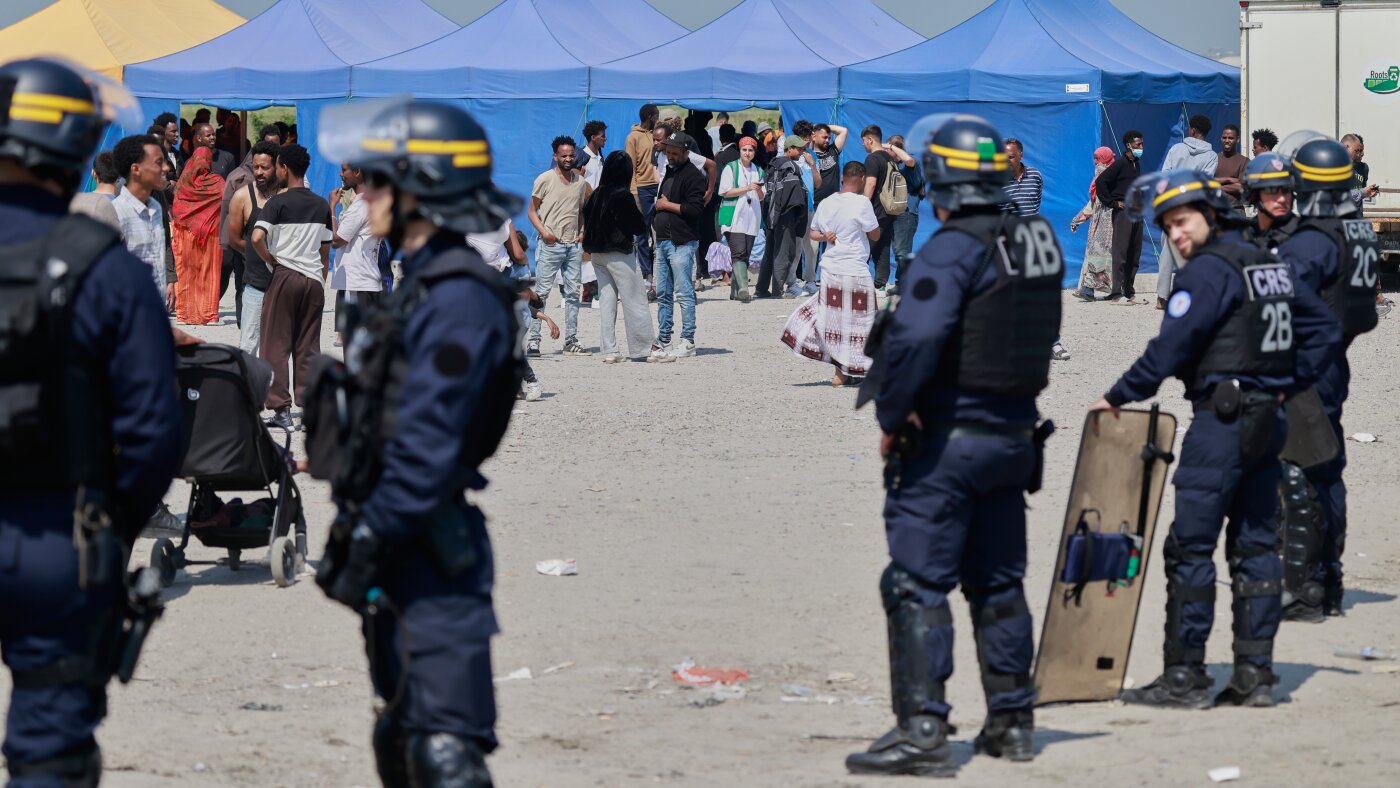
The scale is large, though counts vary. Human rights groups tally more than 25,000 people sent to 29 countries since the policy began, with the vast majority going to Mexico. NBC News put the figure at roughly 15,000 people. The countries that have received deportees include South Sudan, Eswatini and Rwanda, and CBS reports that some migrants have gone to the Central African Republic.
The order does not decide whether the policy is lawful. It only decides who lives under the policy while the justices take up the question. Until they rule, immigration officers can again put people on flights to countries they may never have set foot in, and the migrants may learn of the destination only when they arrive.
The December argument will be the first time the full court weighs how much process the Constitution and immigration law require before a person is sent somewhere other than home. The administration argues the policy is a lawful tool for enforcing removal orders. Challengers argue that a right to claim fear of persecution means little if a person is never told where they are going.
Tuesday's order also lands in the middle of a broader fight over how far the administration can go on immigration. Lower courts have repeatedly pressed the government on process, and the justices have now sided with the administration on an interim basis while keeping the underlying question open for a full hearing.