Most of Earth's Carbon Came From the Outer Solar System, Hawaiian Lava Suggests
Yale and Columbia researchers read a heavy carbon signature in volcanic droplets as the first observational estimate of carbon leaking from Earth's core.

Most of the carbon on Earth may have come from the outer solar system and arrived only in the final stage of the planet's assembly, according to a new study led by researchers at Yale and Columbia. The finding rests on tiny droplets of molten rock from historic Hawaiian eruptions and was published in the Proceedings of the National Academy of Sciences.
The samples are called melt inclusions, bits of molten rock trapped inside crystals as magma forms. Each is a snapshot of what the magma looked like deep in the Earth. The team studied inclusions from the Keanakākoʻi eruptions of Kīlauea, which ran from about 1500 to 1840, and from the 1959 Kīlauea Iki eruption.
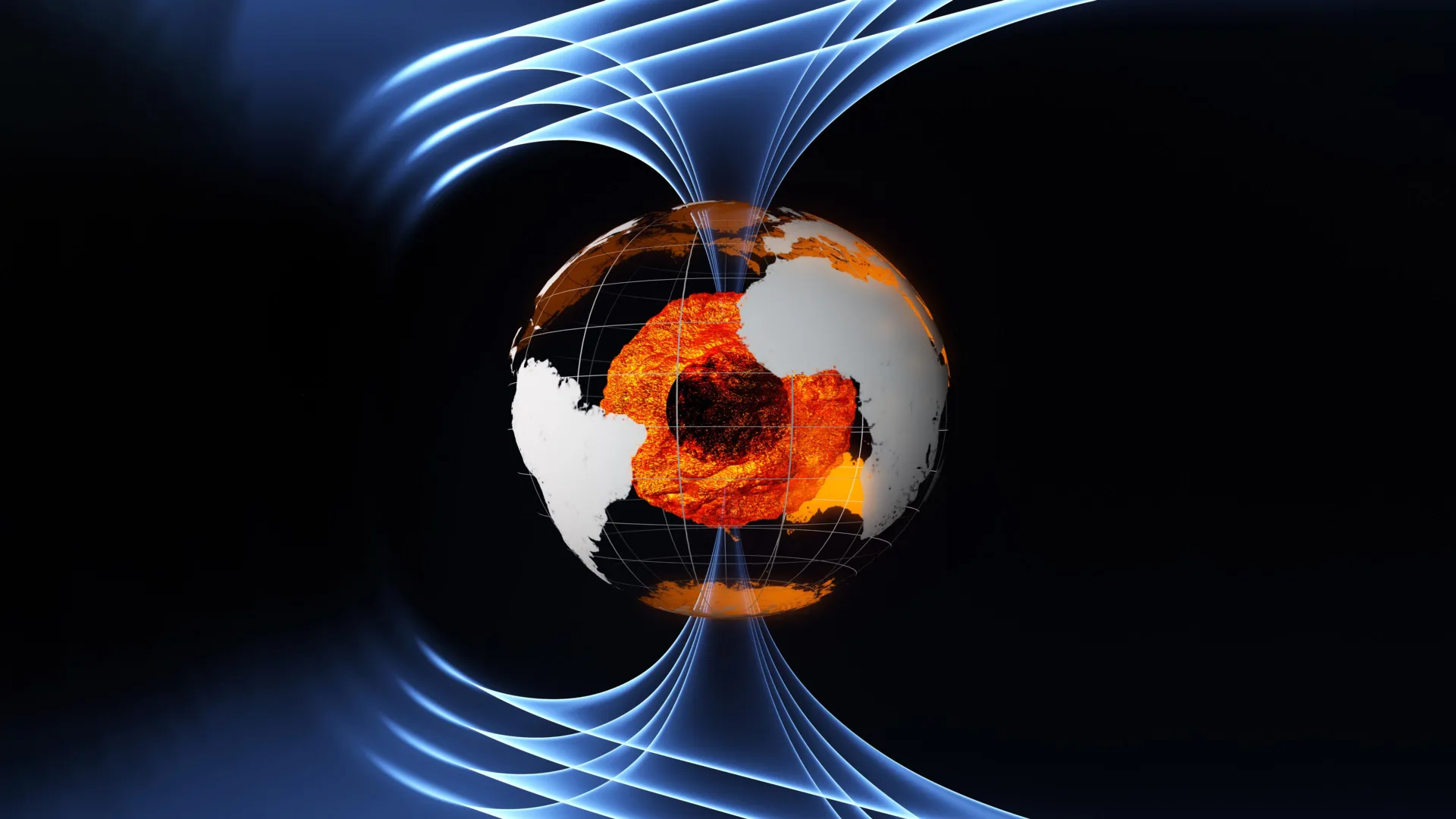
A team led by Yves Moussallam at Columbia's Lamont-Doherty Earth Observatory devised a way to use these lavas to probe the deep Earth. The droplets sample different parts of the volcanic plume, the hot column of molten rock and gas that rises from depth. In magma believed to come from parts of the plume near the boundary between the core and the rocky mantle, the researchers found a uniquely heavy carbon-13 signature. "We interpret this as carbon leaking from the core," said Damanveer Grewal, an assistant professor of Earth and planetary sciences at Yale and a co-author.
"This is the first observational estimate of the isotopic composition of carbon in Earth's core," Grewal said. Researchers had thought that observing core carbon and analyzing its isotopes was not possible.
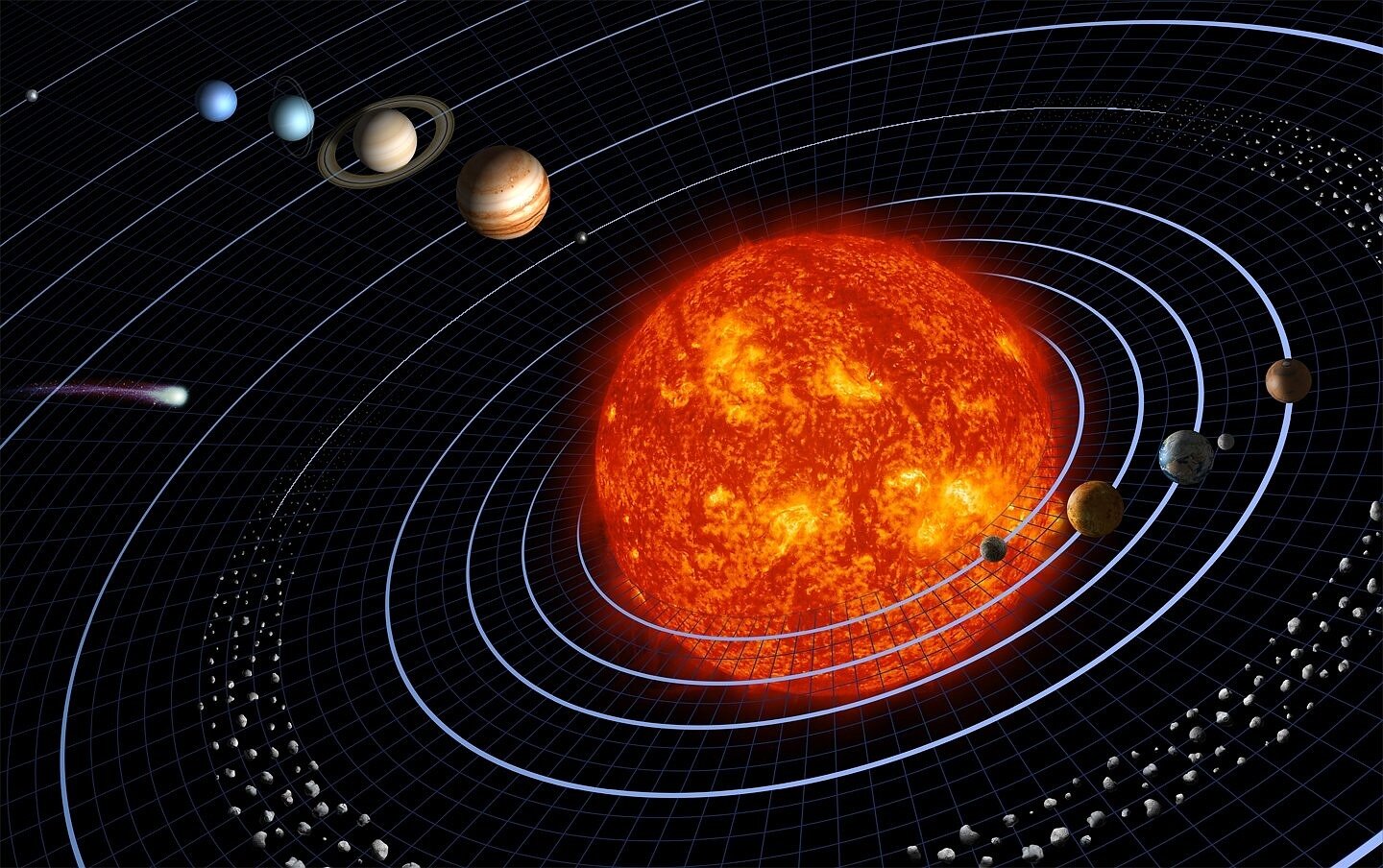
The next question was where that carbon came from before it became part of the planet. Grewal led that part of the work and found that the core's carbon is too heavy to have come from the rocky, carbon-poor material of the inner solar system that built most of Earth. It does match carbonaceous chondrites, carbon-rich meteorites from the outer solar system that contain organic compounds and water.
Timing matters, Grewal noted. There was only one window in which such material could become a permanent part of the core: the final stage of Earth's main assembly. If the carbon had arrived earlier, much of it would have been blasted back into space by later collisions. If it had arrived later, he said, Earth's core would already have been closed off.
The result addresses a longstanding debate about where Earth's carbon came from, a question tied to how the planet became habitable. The researchers said it also has potential implications for the role of core carbon during episodes of intense volcanic activity. The paper, titled "Isotopically heavy carbon in the core," is by Moussallam and colleagues and carries the DOI 10.1073/pnas.2610912123. The work shows that lava erupted at the surface within the past few centuries can carry chemical information about a region more than 1,800 miles down, and it offers a new tool for studying the planet's interior without drilling or seismic imaging.