Senate Republicans Reelect Thune as Leader After Midterm Rout, Rebuffing a Delay Push
Sen. Ron Johnson led a last-minute effort to postpone leadership elections, saying a 'stunning defeat' demands change, but conceded there was no clear alternative to Thune.
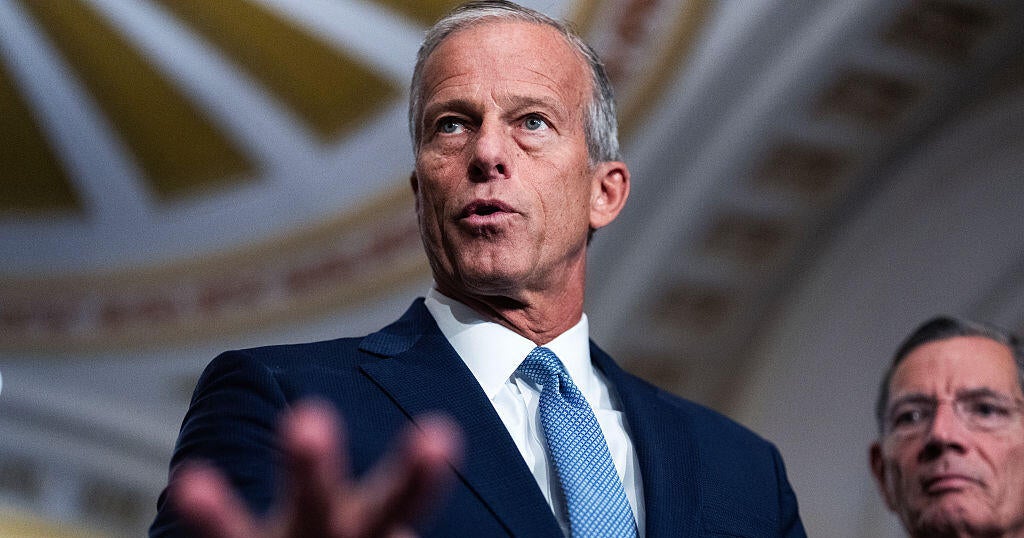
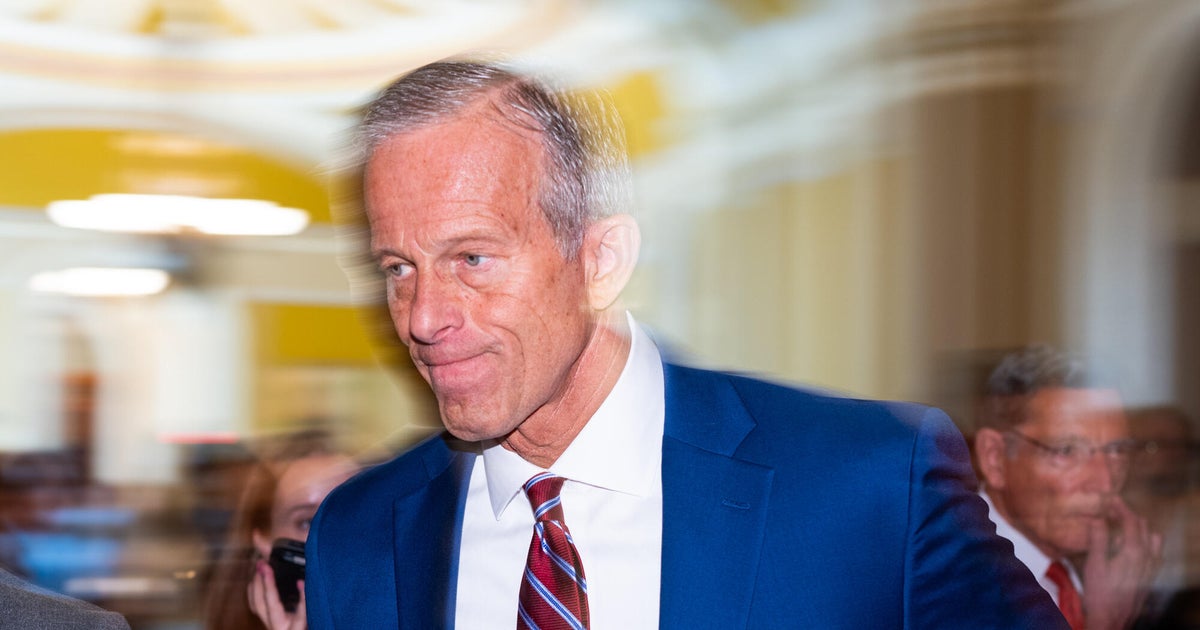
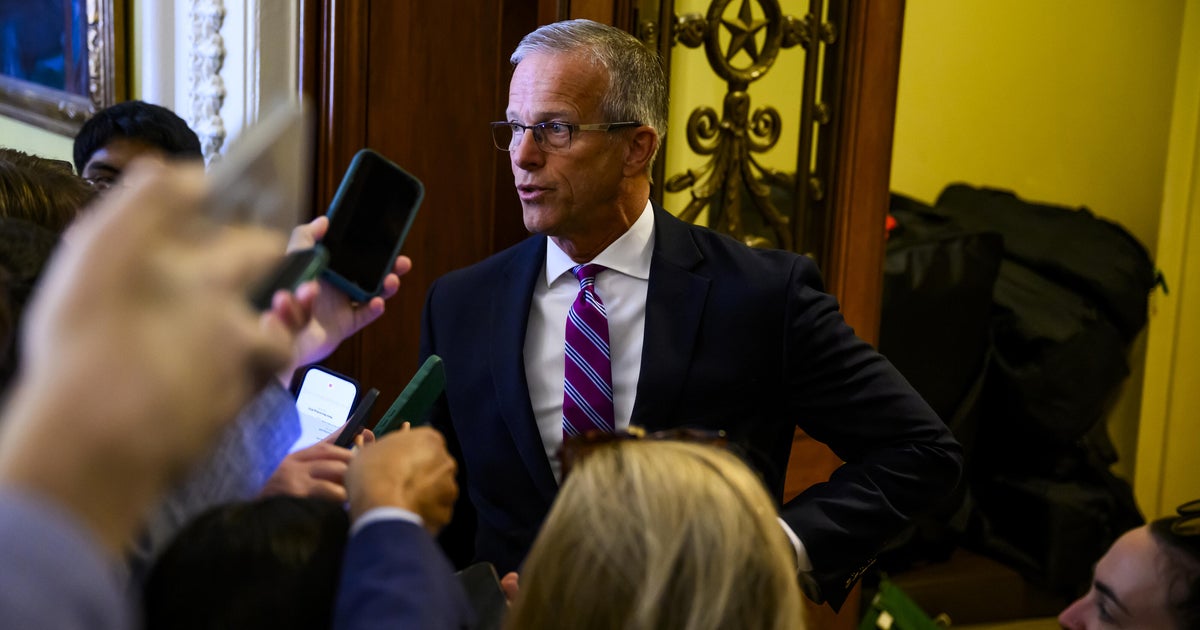
Senate Republicans reelected Sen. John Thune as their leader on Tuesday, staying the course as they prepare to enter the minority after midterm losses that saw at least seven Senate seats fall to Democrats. Thune was backed for another two years by acclamation, without opposition, after Republicans met behind closed doors in the Old Senate Chamber for much of the day.
Thune, 65, a South Dakota Republican, was first elected leader after the 2024 elections. He has served in the Senate since 2005 and took the top job after working under Sen. Mitch McConnell as the No. 2 Senate Republican. He is well liked in his conference, and there was little doubt he would stay on. But a last-minute push by several conservatives added a wrinkle.
Sen. Ron Johnson of Wisconsin led an effort to delay the vote after the disastrous results. He gathered signatures from Sens. John Kennedy of Louisiana, Ted Budd of North Carolina, Rick Scott of Florida and Mike Lee of Utah to compel a conference meeting ahead of the elections. The effort to delay any further fell short. Johnson told reporters that Senate Republicans "just can't continue on business as usual" after a "stunning defeat" at the polls. "That kind of defeat demands change," he said, though he conceded there was no clear alternative to Thune. "This has never been anything against John Thune," Johnson added, saying the leader has been "very unfairly attacked by our base."
Thune told CBS News on Monday that it was important to get these issues settled as soon as possible, and that the decision on any delay would come down to his members. His reelection follows two years in which Senate Republicans passed the president's tax, border security and defense agenda, swiftly confirmed his nominees and approved a handful of bipartisan priorities. His tenure was also marked by two record-breaking government shutdowns and a White House that often moved out of step with Republicans in Congress.
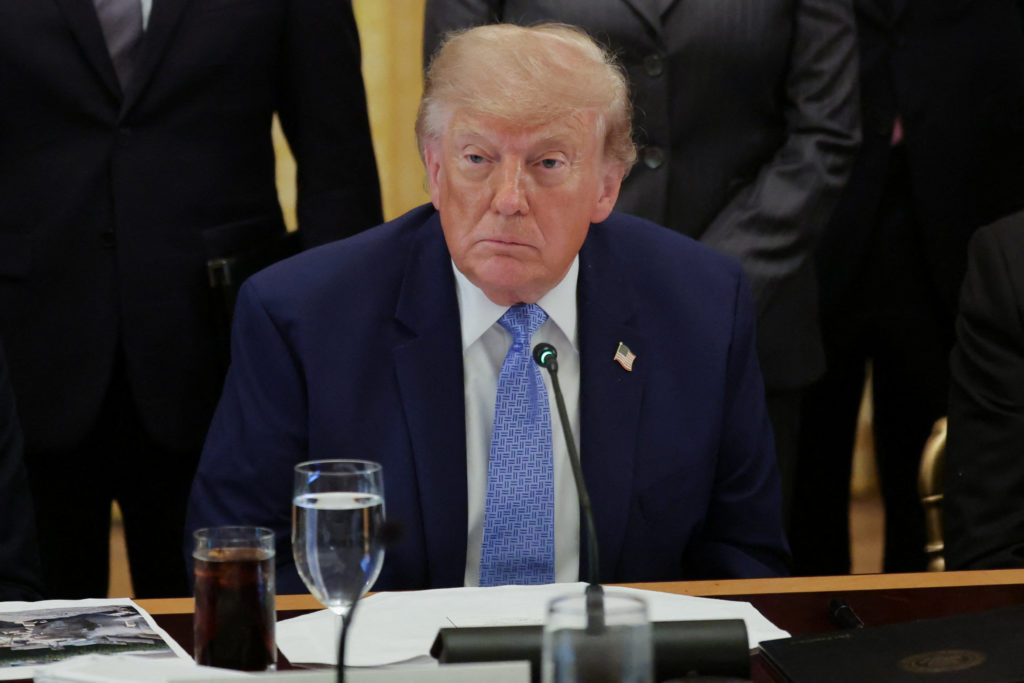
Some Republicans have criticized the agenda as not aggressive enough. Frustration peaked over the SAVE America Act, a controversial election bill that President Trump repeatedly pushed. Thune made clear the legislation lacked the support to move forward in the Senate. Ahead of the election he pushed back on the criticism, telling CBS News, "I don't know how you could be more aggressive."
Republicans entered the cycle with a map that initially looked favorable, offering few pickup opportunities for Democrats. But GOP candidates across the country were routed as cost-of-living concerns and the war in Iran took center stage, and the map expanded for Democrats. Republicans lost seats in battleground states like Ohio and North Carolina, along with strongholds like South Carolina.
The leadership vote leaves Thune to guide a smaller conference through the rest of this Congress and into the minority in January. The Judiciary Committee's rush to confirm judges, and a long list of year-end business, will test how much Republicans can still accomplish before the gavel passes.