Taxpayer-Funded Pro-Trump Ads Draw Fire From Republicans as Trump Defends Them
The Department of Homeland Security has tapped $20 million for campaign-style spots weeks before the midterms, and Senate Majority Leader John Thune says they "shouldn't be paid for by taxpayer dollars."
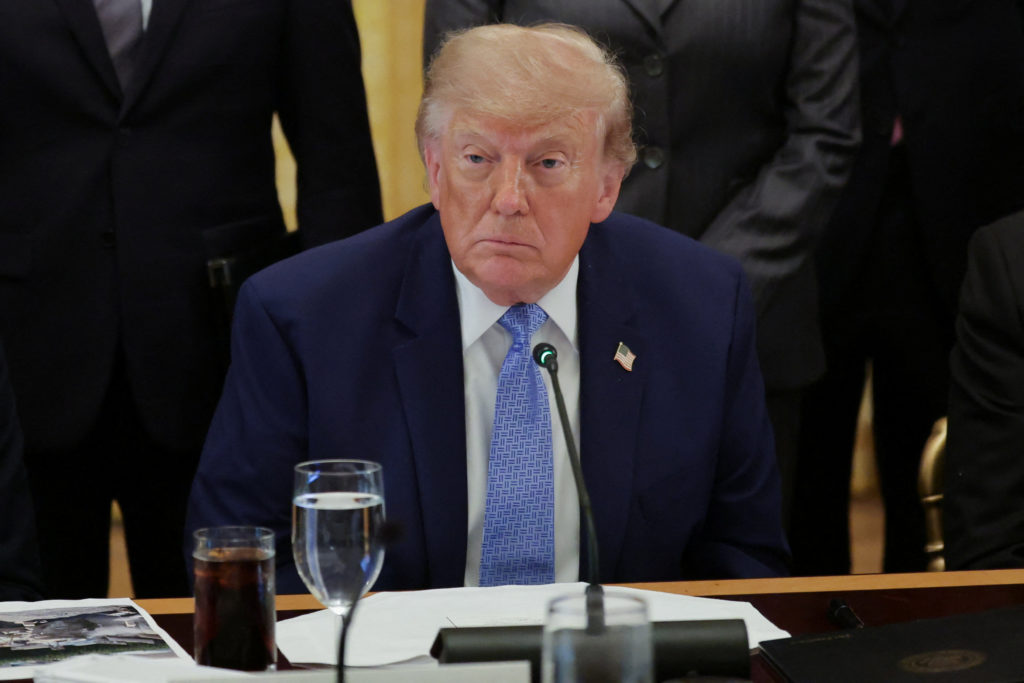
The Department of Homeland Security is spending $20 million in taxpayer money on television ads that glorify President Donald Trump, a campaign that has drawn criticism from Democrats and from Republicans in the Senate just weeks before the midterm elections. Trump defended the spots on Wednesday, saying they are not political because he is not on the ballot.
"I'm not promoting a candidate. I'm promoting the country," Trump said on October 1. "Now, if somebody said that that's wrong, I'll gladly pay the money. But these are ads for the country." The White House has described the commercials as educational public service announcements and has said they are "very clearly not campaign ads."
The money comes from the $175 billion immigration enforcement package Trump signed as part of his "One Big Beautiful Bill." It was redirected from U.S. Customs and Border Protection to the advertising effort by Office of Management and Budget Director Russ Vought on September 19, according to reporting by PBS NewsHour. Data from the ad-tracking firm AdImpact shows the government spent at least $2.5 million on three of the spots in a single week, and the real total could be higher depending on how the networks classify the buys.
Four ads have aired since late September. One is a black-and-white spot that shows Trump walking slowly down a hallway as his voice warns of a "final battle" against "the deep state," "the globalists" and "the sick political class that hates our country." It ends with Trump staring into the camera and a disclaimer that it was paid for by the U.S. government. Another is a montage touting "the largest tax cuts in history." A third features Defense Secretary Pete Hegseth discussing the Iran conflict, now in its eighth month.
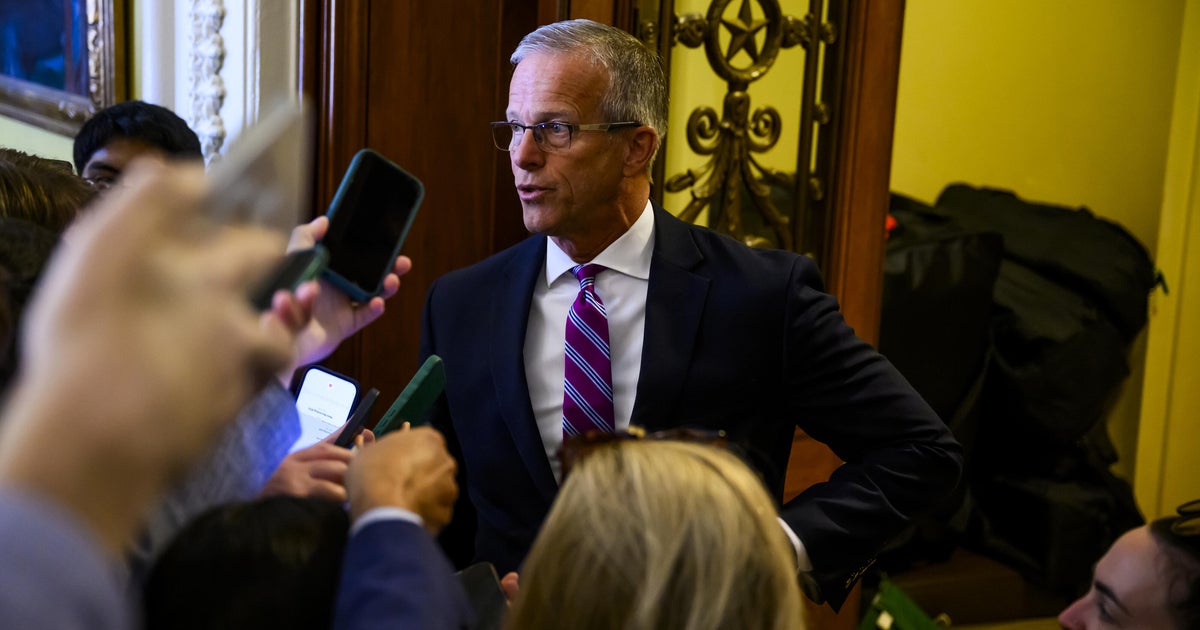
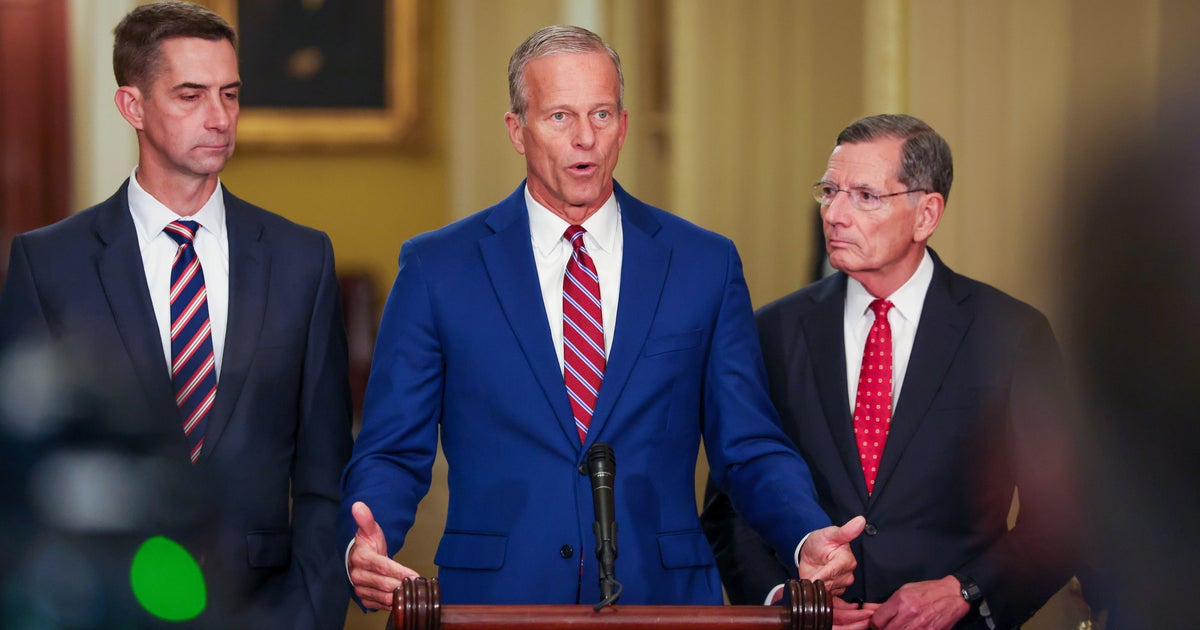
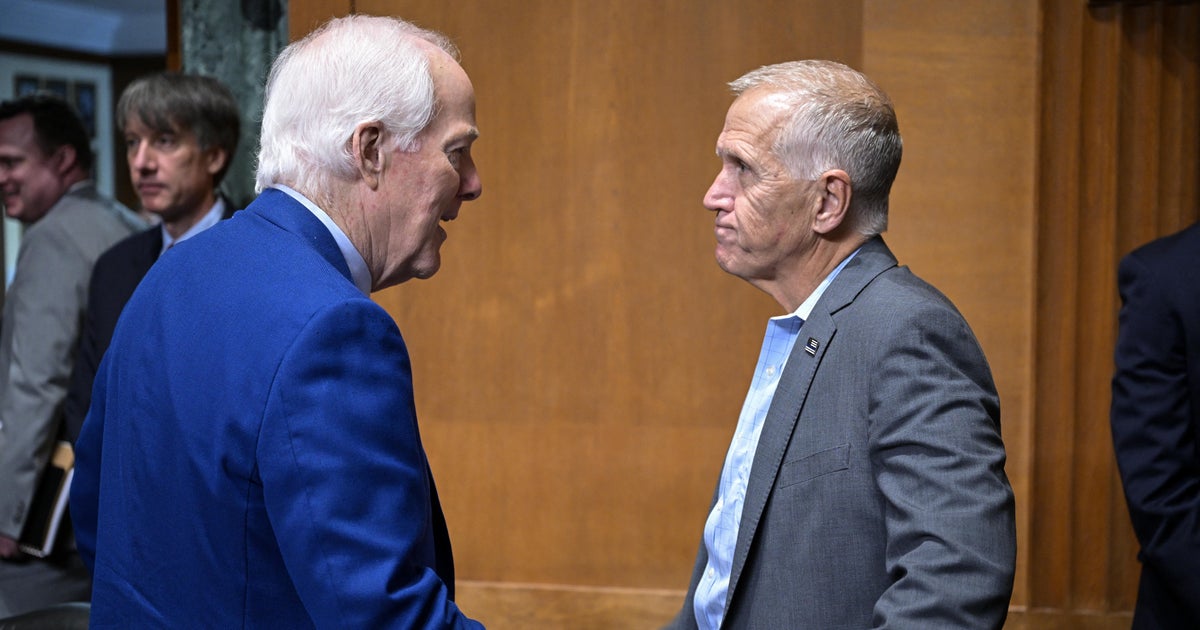
Republican criticism has been unusually blunt. Sen. Thom Tillis of North Carolina compared the ads to the promotional tactics of Hungary's authoritarian leader Viktor Orban. Senate Majority Leader John Thune of South Dakota said the message may be a good one but "shouldn't be paid for by taxpayer dollars." CNN reported on September 30 that a Republican senator blocked a resolution criticizing the ads.
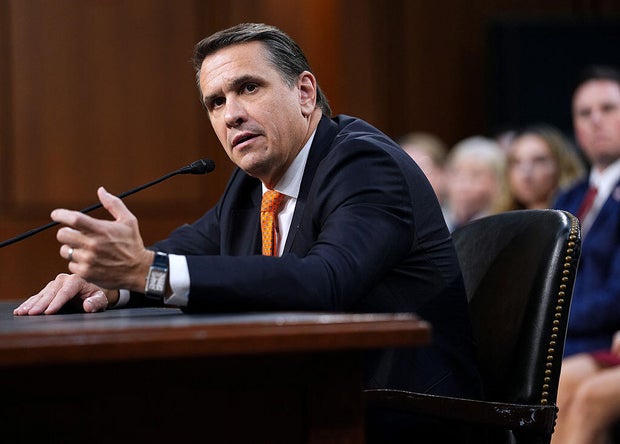
Democrats have gone further, arguing the spending is illegal. Sens. Patty Murray of Washington and Chris Murphy of Connecticut sent a letter to Homeland Security Secretary Markwayne Mullin calling the campaign "a shockingly corrupt misuse of taxpayer dollars" and demanding answers within 48 hours. "Using government funding to create or air political ads like the ones that have been running over the last few days is illegal," they wrote. House Democrats Jamie Raskin and George Whitesides called the spots "desperate pre-election propaganda" and asked the Government Accountability Office to investigate.
The legal argument rests on long-standing restrictions that bar agencies from using appropriated money for publicity or propaganda aimed at influencing the public. The White House has pointed to past administrations that ran public service campaigns, such as ads explaining new Medicare drug coverage or Affordable Care Act sign-ups. The White House has also said the Trump spots contain no call to action.
The ads are still on the air. The Murray and Murphy deadline for answers falls this week, and the GAO request could produce a formal finding on whether the spending broke federal law.