House Republicans Elect Jim Jordan Minority Leader, Passing Over Scalise After Midterm Rout
The Freedom Caucus co-founder won a secret-ballot rematch with Steve Scalise as Republicans regroup from losing more than 40 seats; Senate Republicans kept John Thune.
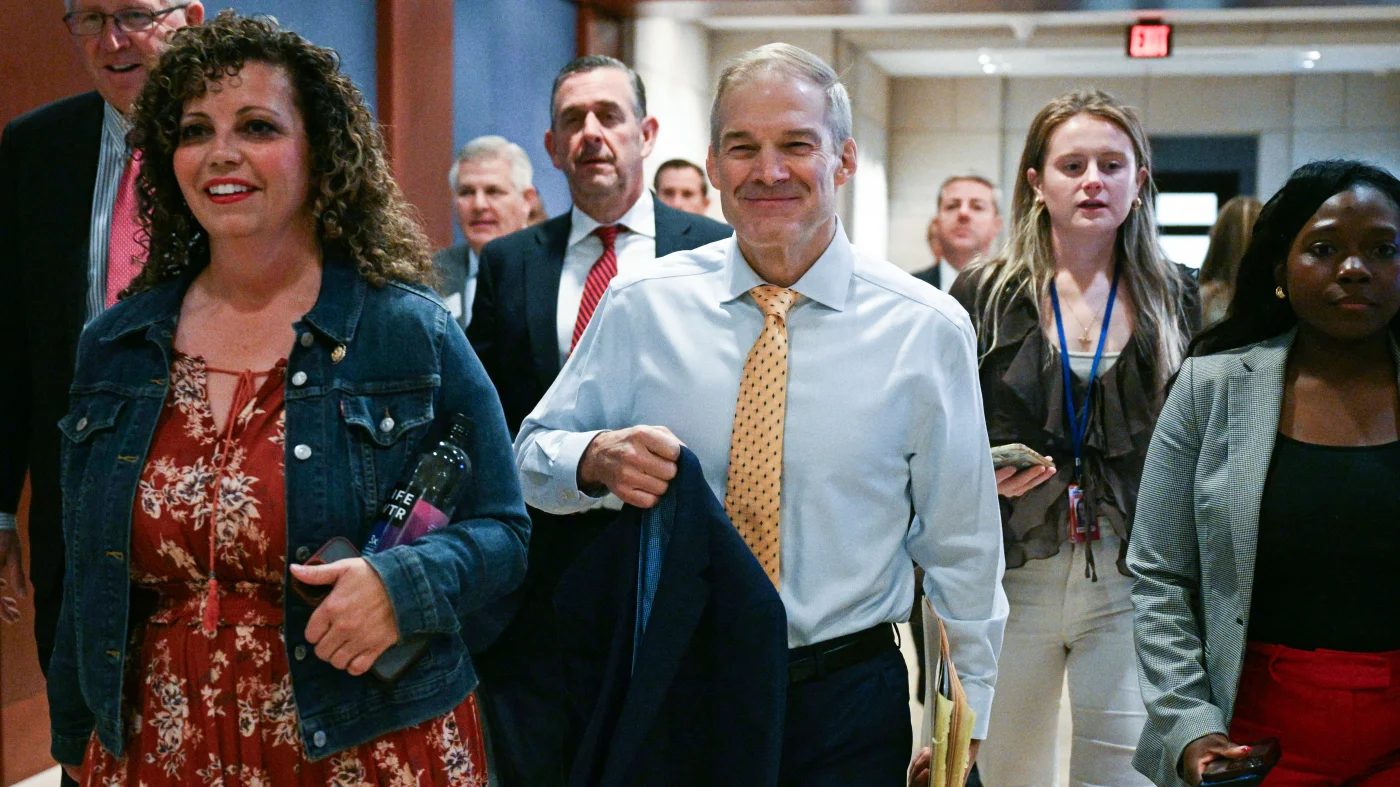
House Republicans on Tuesday chose Rep. Jim Jordan of Ohio as their next minority leader, handing the party's top House job to a co-founder of the hard-right House Freedom Caucus a week after Democrats flipped more than 40 GOP seats and took control of the chamber.
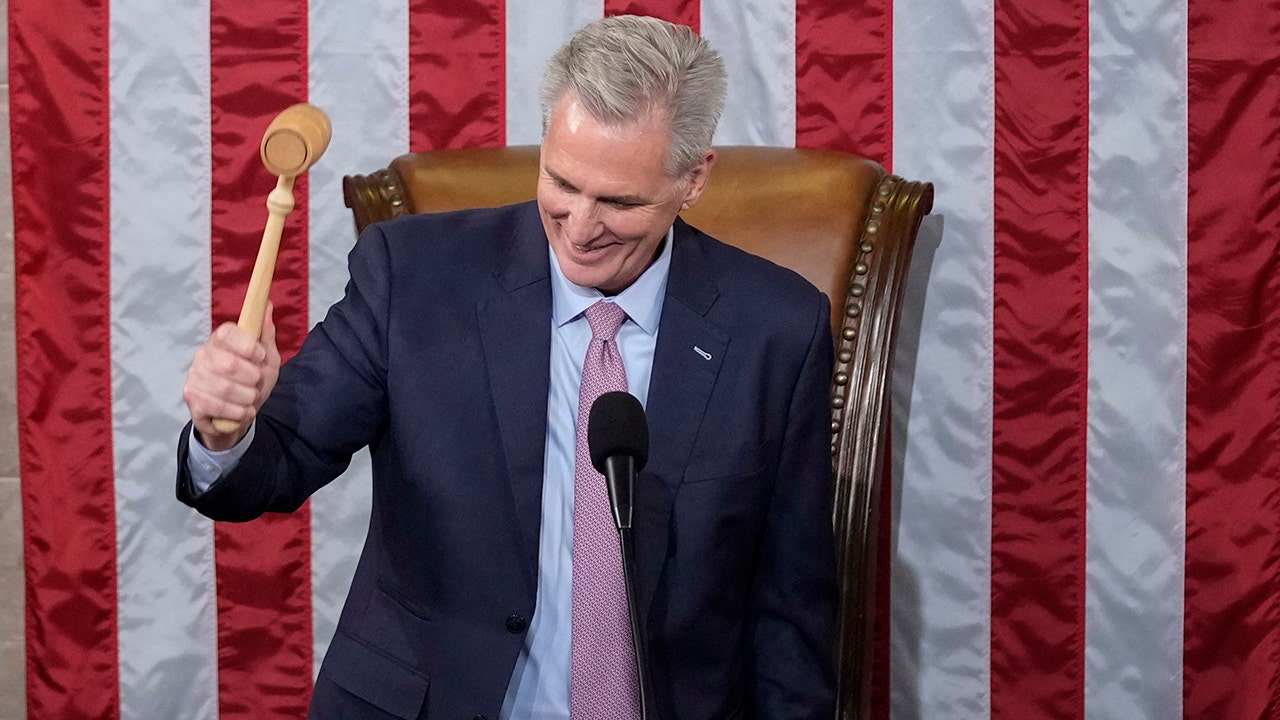
Jordan, 62, beat current House Majority Leader Steve Scalise of Louisiana in a secret-ballot vote. He will succeed Speaker Mike Johnson as the top House Republican when the new Congress begins in January. The contest was a rematch of the 2023 race to succeed Kevin McCarthy, when neither man could assemble enough votes and Republicans ultimately settled on Johnson.
Jordan has spent years on both the House Oversight and House Judiciary committees, the two panels expected to be at the center of the new Congress as Democrats plan a long list of investigations into President Trump and his administration. A former college wrestling coach known for a pugilistic style, he pitched colleagues on an aggressive posture. "Offense, not defense, wins elections," he wrote in a letter to Republicans last week.
In that letter he took a swipe at the leadership team led by Johnson and Scalise. "For too long, we have operated without a clear plan to survive the hour or the day in front of us. That will not cut it against an emboldened and energetic Democratic party," Jordan wrote. "I am battle-tested on the oversight front and I know the Democrats' playbook."
The House Freedom Caucus celebrated the result. Chairman Andy Harris, R-Md., called Jordan "a fierce fighter" and said he was "exactly the right man for the job to fight back against the radical, crazy agenda of Democrats."
Scalise, 61, has been the No. 2 House Republican since 2023 and has been in broader GOP leadership for more than a decade. He is seen as more moderate than Jordan and is a close Trump ally. In his own letter to colleagues, he promised an approach that would be "conservative and consensus-driven" and said his number one goal would be to win back the majority. "I expect you to hold me accountable to that mission," he wrote.
The vote gave rank-and-file Republicans a clear choice about how to operate in the minority. John Leganski, a former aide to McCarthy, said the size of the Democratic victory limits what any minority leader can do. "Number one, try to win back the House," he said of the job. "And number two, make life as difficult for the Democrats as possible, largely by voting no."
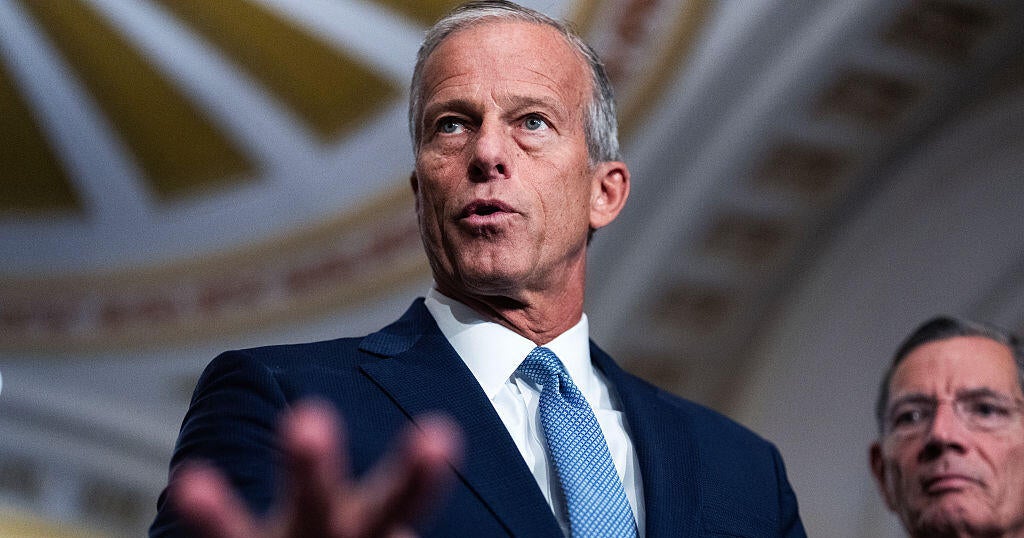
Across the Capitol, Senate Republicans chose continuity. Sen. John Thune of South Dakota won a second term as party leader, running unopposed. Trump has criticized Thune over the past two years for refusing to eliminate the Senate filibuster and for failing to pass the SAVE America Act, his long-sought election overhaul bill. Thune nonetheless kept broad support inside the caucus.
"I'm proud of what this Republican team has accomplished together, and we remain united in our commitment to advancing conservative priorities, working with President Trump and our colleagues in the House, and holding the line against Democrats' efforts to enact their far-left, liberal agenda," Thune said in a statement after the vote.
The leadership election is the first big step in the party's rebuilding effort. Republicans say it will shape how they approach the two years ahead, when they will be defending against Democratic subpoenas and investigations rather than setting the agenda.