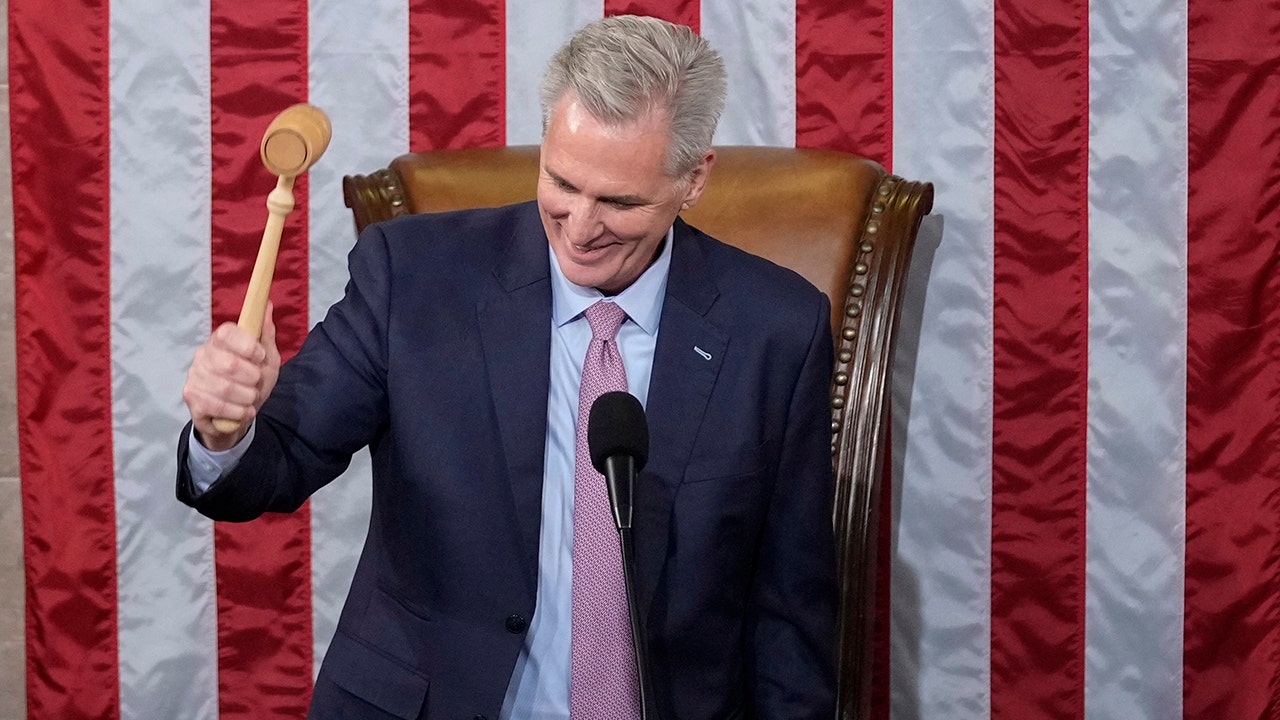
Mike Johnson Just Erased Eight Voting Days. The House Has Four Left Before the Midterms
Republican leaders scrapped the last two weeks of September, sending members home until after the November 3 election. Days earlier the speaker had promised the House would work every day on the calendar.

House Republican leadership canceled the final two weeks of September votes on Thursday, a decision that leaves the chamber four legislative days of work before the November 3 midterm elections. The weeks of September 21 and September 28, which together held eight voting days, came off the calendar maintained by Majority Leader Steve Scalise. Members are due back in Washington on September 14, will work through September 17, and then will not vote again until the lame-duck session convenes on November 9.
The reversal is striking mostly because of how recently Speaker Mike Johnson insisted it would not happen. Asked days earlier about GOP Rep. Thomas Massie's prediction that the schedule would be cut, Johnson told reporters the opposite. "Republicans are here to work," he said. "We are going to work all the way through September and every day that's on the calendar." Massie was right.
The cancellation also removes floor time from every fight that has not been resolved. A second discharge petition on the Epstein files is still gathering Republican signatures, and disputes over surveillance authorities and the debt remain open. None of them can reach a vote while the chamber is out. Whether that was the intent or a side effect, the schedule now decides the outcome: a bill that cannot be brought up before September 17 waits until at least November 9.
The practical effect, when the already-scheduled October recess is added in, is roughly six and a half weeks in which House members can be in their districts rather than in the Capitol. Lawmakers vote Friday morning, then scatter for a Labor Day district work period and the Republican Midterm Convention in Dallas. Sparse fall calendars are normal in election years; what is unusual is how little the chamber will have done between now and the vote that decides its majority.
Leadership's argument is that the must-pass work is finished. The House cleared government funding through December 11 before the break, removing the shutdown deadline that would otherwise have landed in the middle of the campaign and taking Johnson's biggest legislative headache off the table until after voters have spoken. That timing was itself deliberate — the next funding fight now falls to whichever party wins the House.
What gets left behind is everything else. Members return November 9 for about five weeks of legislative business before Congress adjourns for the year, and the December 11 funding cliff will be waiting for them almost immediately. Until then, a chamber that spent much of the summer fighting over spending, surveillance authorities and the debt will simply not be in session to legislate on any of it. For rank-and-file Republicans defending seats, that is the point. For anyone waiting on a bill, the House has effectively closed for the season.