The Senate Killed the Crypto Bill 49-50. Every Democrat Voted No, Along With Collins, Hawley, Moran and Tillis. Bitcoin Dropped 4% and Coinbase Fell Nearly 7%.
The Clarity Act needed 60 votes to advance. Thune said Republicans had granted more than 100 Democratic requests; Warren said the ethics language was 'a tiny little fig leaf' that would let Trump make 'his next $1.4 billion in crypto profits.'
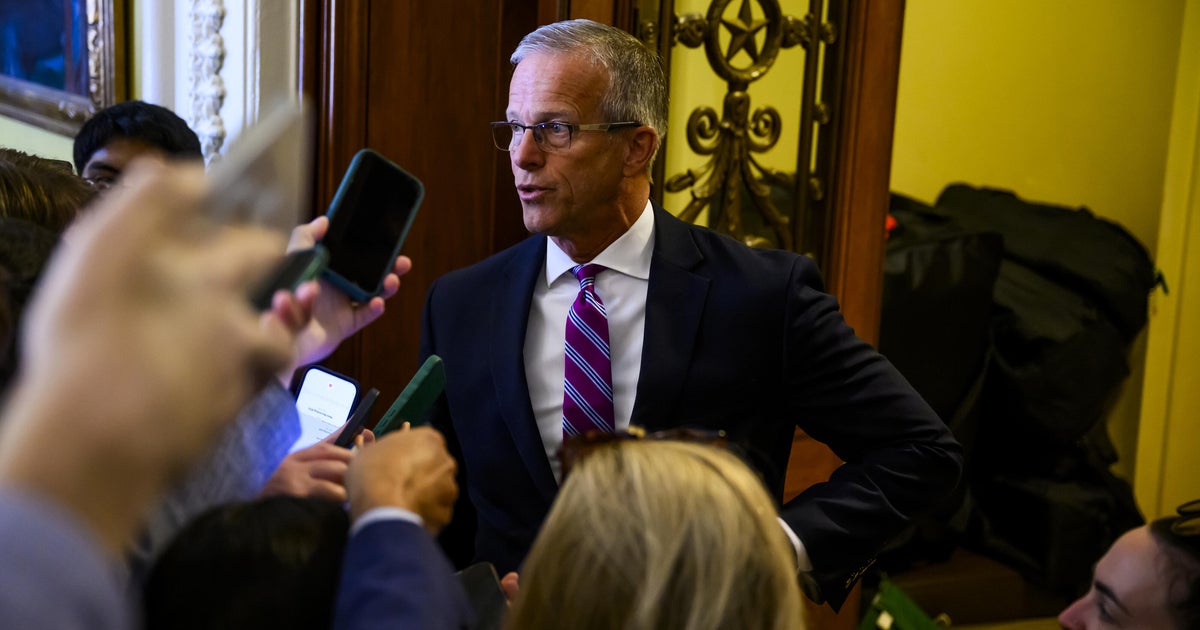
The Senate on Tuesday refused to advance the Clarity Act, the sweeping cryptocurrency bill that the industry and the White House had spent more than a year pushing toward the floor, in a 49-50 vote that fell 11 short of the 60 needed to break a filibuster.
Every Democrat voted no, along with independents Angus King of Maine and Bernie Sanders of Vermont. Four Republicans joined them: Susan Collins of Maine, Josh Hawley of Missouri, Jerry Moran of Kansas and Thom Tillis of North Carolina, according to the Senate's official roll call. The defeat effectively ends the effort to write a market-structure law for digital assets in this Congress, and with split control widely expected after the midterms, the industry's odds of getting one next year are no better.
The bill, formally the Digital Asset Market Clarity Act, would have drawn a line between the jurisdictions of the Commodity Futures Trading Commission and the Securities and Exchange Commission, the two regulators that have split crypto enforcement in ways the industry has long called contradictory. Senate Majority Leader John Thune argued before the vote that it was the "next logical step" after last year's Genius Act, which set rules for stablecoins and which he credited with moving the industry "in the right direction" in the United States. He said the bill "ensures that companies can't skirt securities laws that apply to other financial assets" and "protects the growing number of Americans investing in and utilizing digital assets."
Thune said Republicans had made more than 100 changes at Democrats' request and released a final 630-page draft over the weekend with more concessions folded in. "The question now is whether Democrats will take yes for an answer," he said. "This is a shared priority, for Republicans, Democrats and President Trump. We've been working at it now for over a year. The only reason for this progress to end now would be if the Democrats choose politics over good policy."
The sticking point was ethics. Democrats wanted language that would bar the president, the vice president and their families from profiting from crypto ventures while in office. According to financial disclosures, Mr. Trump earned $1.4 billion in crypto-related income last year, including from his meme coin and his family's cryptocurrency firm. The version the White House signed off on included a narrower provision that Democrats said would not touch him.
"This bill poses a massive risk to families, to our economy and to national security," Sen. Elizabeth Warren of Massachusetts said on the floor. She said the bill "would turbocharge Donald Trump's unprecedented corruption" and that "no one has more to gain personally from this bill than the president of the United States." The ethics text, she said, was "a tiny little fig leaf that claims they're doing something about corruption, but that is carefully written to make sure that it will not prevent Donald Trump from making his next $1.4 billion in crypto profits." She urged Republicans to "negotiate a real, bipartisan crypto bill."
Several Democrats who had negotiated the bill for months, including Kirsten Gillibrand of New York, Mark Warner of Virginia, Cory Booker of New Jersey, Ruben Gallego of Arizona and Angela Alsobrooks of Maryland, voted against it in the end. Sen. Cynthia Lummis of Wyoming, the bill's lead Republican champion, had said before the vote that if it failed, "I think we're done. It's over. Because we've been working on this bill for over a year, and we've given them over 120 of their requests."
Markets took the result badly. Bitcoin fell to about $75,850, down 4.2% over 24 hours, after trading near $80,000 earlier in the week, according to CoinDesk. Ether dropped 3.9% to $2,407 and Solana lost 3% to $98.50. Coinbase shares fell 6.7%, stablecoin issuer Circle dropped 8% and the exchange Bullish fell 4.6%. On the prediction market Polymarket, the odds of the Clarity Act becoming law in 2026 collapsed to 14% from roughly 30% a day earlier.
The Republican defections had their own logic. Collins was among a group of GOP senators who had relayed community banks' objections that stablecoin provisions could pull deposits out of the traditional banking system, and Hawley had been counted as a likely no for days. Tillis, who said Tuesday morning that he would vote to proceed, ultimately voted no. Michael Saylor, the executive chairman of Strategy and the industry's most prominent bitcoin bull, offered his own verdict after the tally: "The only clarity you need is Bitcoin."
Originally reported by CBS News.