A Texas Judge Just Voided Silencer Registration — Because Congress Zeroed Out a $200 Tax
Judge James Wesley Hendrix ruled the 1934 National Firearms Act's paperwork rules for suppressors and short-barreled guns lost their constitutional footing the moment lawmakers eliminated the tax that justified them. Fifteen states brought the case.

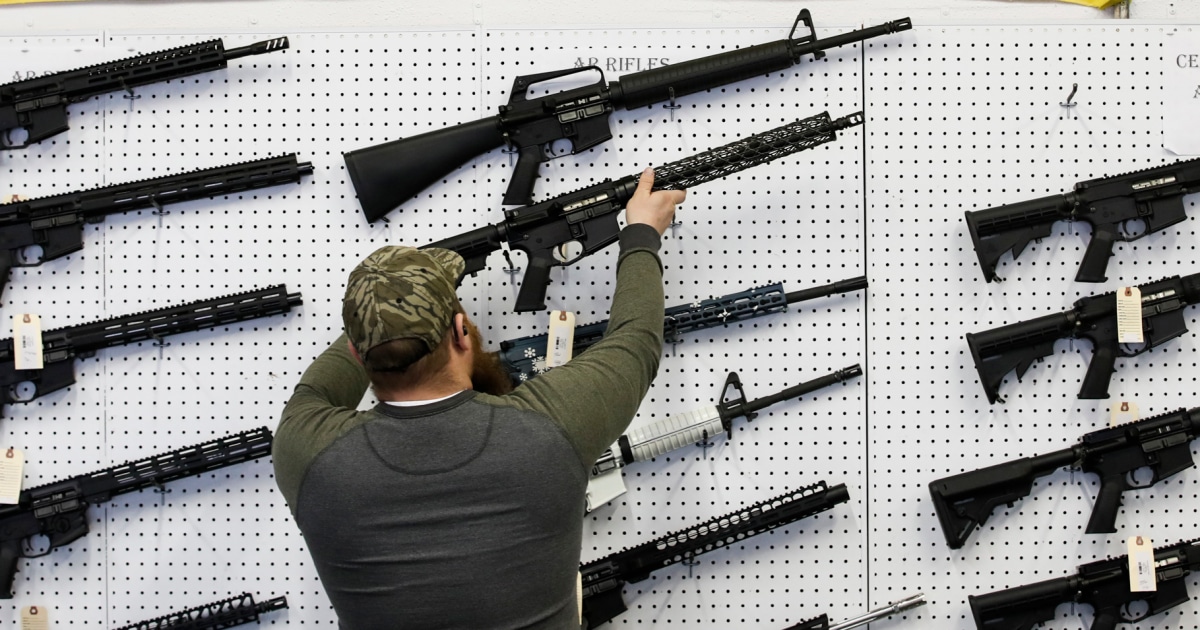
A federal judge in Texas has ruled that the registration and transfer requirements of the National Firearms Act can no longer be enforced against silencers, short-barreled rifles and short-barreled shotguns, holding that Congress destroyed the legal basis for those rules when it eliminated the tax they were built around.
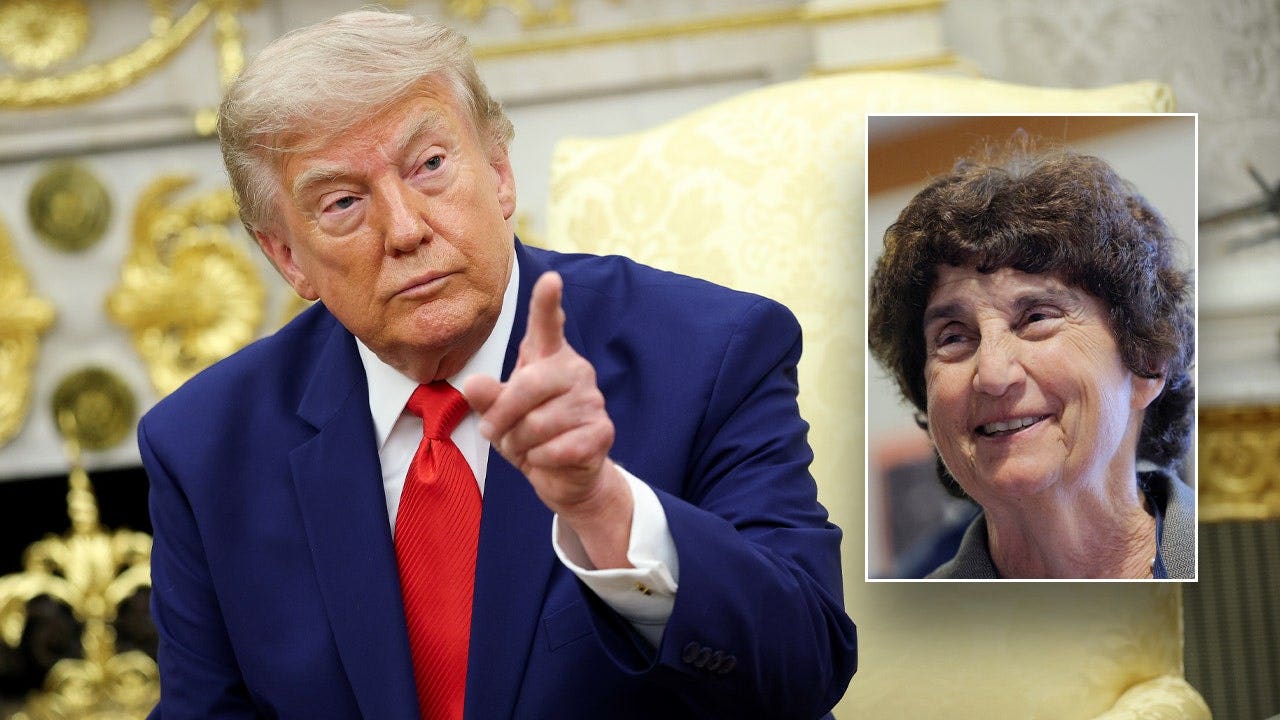
Judge James Wesley Hendrix, appointed to the federal bench in the Northern District of Texas by President Donald Trump, issued the decision Wednesday in two consolidated lawsuits. His reasoning turns on a point of constitutional structure rather than the Second Amendment. The National Firearms Act of 1934 was never passed as a straightforward gun-control statute. Congress lacked a general police power to ban or license firearms, so it wrote the law as a revenue measure: a $200 tax on making or transferring certain weapons, with registration and paperwork attached as the machinery for collecting that tax. Courts upheld it on that basis for ninety years.
The One Big Beautiful Bill Act, enacted last year, cut the $200 tax to zero for suppressors, short-barreled rifles and short-barreled shotguns. Hendrix concluded that once the tax disappeared, so did the taxing-power justification. What remained was a bare federal registration scheme that raises no revenue — and, in his view, one that exceeds what Article I permits. The regulatory provisions, he wrote, "must be enjoined as unconstitutional because they exceed Congress's enumerated powers."
Fifteen Republican-led states were plaintiffs: Texas, Alaska, Georgia, Idaho, Indiana, Kansas, Louisiana, Montana, North Dakota, Oklahoma, South Carolina, South Dakota, Utah, West Virginia and Wyoming. They were joined by gun-rights organizations claiming millions of members among them. West Virginia Attorney General John B. McCuskey's office announced the outcome as a win for the state, framing the registration rules as unconstitutional overreach.
The ruling's reach is narrower than the headline suggests. It does not touch machine guns, which are governed by separate and later federal statutes and remain taxed. It does not disturb the Gun Control Act's background-check requirements for purchases from licensed dealers. And it applies to the items whose tax Congress zeroed out — not to the National Firearms Act as a whole. Hendrix placed a seven-day hold on the order to give the government time to seek an appeal, and the Justice Department is expected to take the case to the U.S. Court of Appeals for the Fifth Circuit.
Brandon Combs, president of the Firearms Policy Coalition, called the decision "a massive win and an important step forward" toward dismantling what he described as an unconstitutional scheme. Gun-control advocates described it in the opposite terms, calling it a dangerous step backward for public safety and warning that suppressors make it harder for bystanders and responding officers to locate the source of gunfire during a shooting.
The decision also illustrates an increasingly common pattern in litigation over federal authority: a statute survives for decades on one constitutional theory, Congress amends a single fiscal provision, and the amendment knocks out the theory the entire structure was resting on.