A Judge Refused to Throw Out the SPLC's Fraud Indictment
The Allegation: $3 Million Routed to Klan and Aryan Nation Figures.
The Southern Poverty Law Center argued it was being prosecuted in retaliation for naming hate groups. U.S. District Judge Emily Marks ruled it offered no evidence of prosecutorial animus, and the 11-count case moves toward trial.
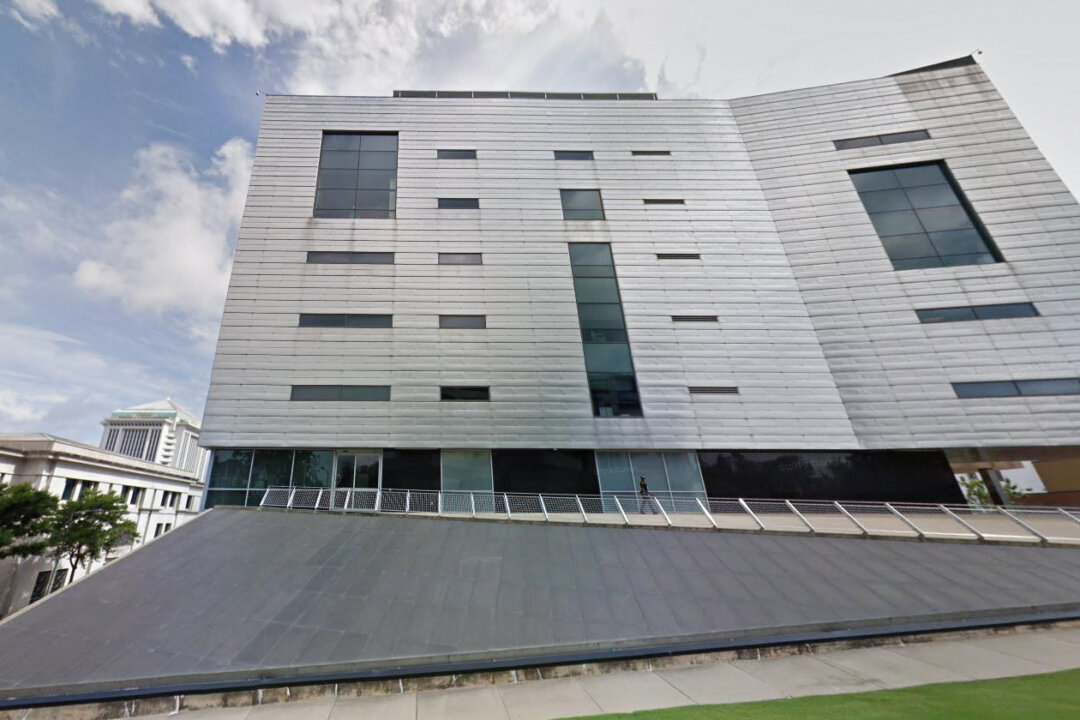
A federal judge in Alabama has refused to dismiss the criminal indictment against the Southern Poverty Law Center, rejecting the civil rights organization's argument that the Justice Department charged it in retaliation for its work identifying extremist groups.
U.S. District Judge Emily Marks, of the Middle District of Alabama, issued the ruling Friday. The SPLC faces 11 counts: wire fraud, making false statements to a federally insured bank, and conspiracy to commit money laundering. It pleaded not guilty on July 7.
The government's theory is that the Montgomery-based nonprofit deceived its own donors. Prosecutors allege that between 2014 and 2023, the SPLC routed more than $3 million to leaders of white supremacist organizations — including the Ku Klux Klan, Aryan Nation and the National Alliance — while soliciting contributions on the promise that the money would be used to fight those same groups. The organization has said the payments went to confidential informants who infiltrated the groups, a standard and long-acknowledged practice in extremism research. The indictment's contention is not that informants are unlawful but that donors were misled about where their money went and that the accounting presented to a federally insured bank was false.
The SPLC moved on May 26 to dismiss the case as vindictive prosecution, a doctrine that allows a court to throw out charges brought to punish someone for exercising a constitutional right. Its filing argued the case was "driven by the White House and FBI leadership's retribution campaign," and pointed to the organization's decades of publishing hate-group designations — including designations that have covered figures and organizations aligned with the current administration.
Marks held that the SPLC had not cleared the threshold the doctrine requires. "Critics are not constitutionally immunized solely because they speak frequently," she wrote, adding that prosecutorial decisions may be second-guessed only where there is some evidence of animus. Because the organization could not offer evidence tending to show that the prosecutors who brought the case acted out of animus, she concluded, it necessarily could not meet the higher standard that would justify dismissing an indictment outright.
That is a narrow ruling, and it is worth being precise about what it does not decide. Marks did not find that the SPLC committed fraud, did not weigh the evidence, and did not rule on whether the administration's broader posture toward the organization is hostile. Vindictive-prosecution motions are difficult to win by design; the standard demands evidence about the specific prosecutors who charged the case, not the political environment around it. The denial means the case proceeds to the ordinary machinery of a federal criminal trial.
The Justice Department opened an investigation into the SPLC in April 2025 and obtained the indictment this April. The organization is one of the most prominent civil rights groups in the country, and its hate-group listings are widely cited by journalists, law enforcement agencies and technology platforms — a fact that cuts both ways in the dispute, as the government points to the credibility those listings carry with donors, and the SPLC points to them as the reason it was targeted.
No trial date has been set.