Politics
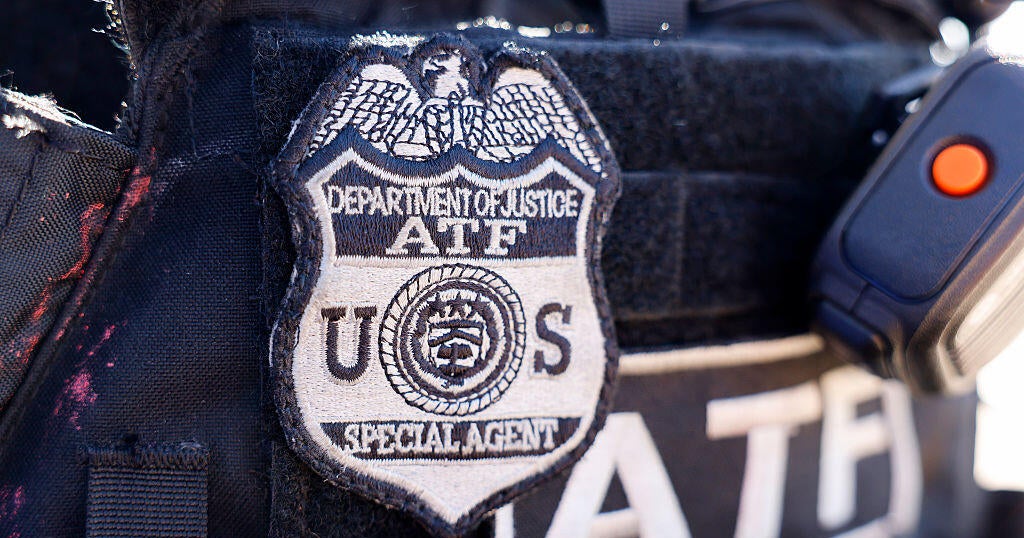
ATF's Top Lawyer Robert Leider Resigns After Overseeing Gun Rule Overhaul
The former Clarence Thomas clerk led the bureau's rewrite of firearms regulations. Sources say he sometimes split with DOJ leaders on litigation strategy.
Topic
11 stories from Planck Standard. Latest: October 31, 2026.
The former Clarence Thomas clerk led the bureau's rewrite of firearms regulations. Sources say he sometimes split with DOJ leaders on litigation strategy.
The Office of Legal Counsel opinion by T. Elliot Gaiser says the law fails the Supreme Court's 2022 history-and-tradition test because Founding-era militia statutes required 18-year-olds to show up with their own guns. It binds no court, but it tells every federal prosecutor to stand down. Everytown called it a 'dangerous dereliction of duty.'

Judge James Wesley Hendrix ruled the 1934 National Firearms Act's paperwork rules for suppressors and short-barreled guns lost their constitutional footing the moment lawmakers eliminated the tax that justified them. Fifteen states brought the case.
The 3rd Circuit's 10-5 en banc decision is the first time a federal appeals court has voided a state ban on semiautomatic rifles, opening a split with a court that upheld Illinois' ban days earlier.

A divided Seventh Circuit ruled the state's ban on semiautomatic rifles and high-capacity magazines is consistent with the nation's history of firearm regulation, reversing a lower court as the issue barrels toward the justices.
The justices took up challenges to assault-weapons bans in Illinois and Connecticut — the first time the court will directly rule on the constitutionality of such laws.
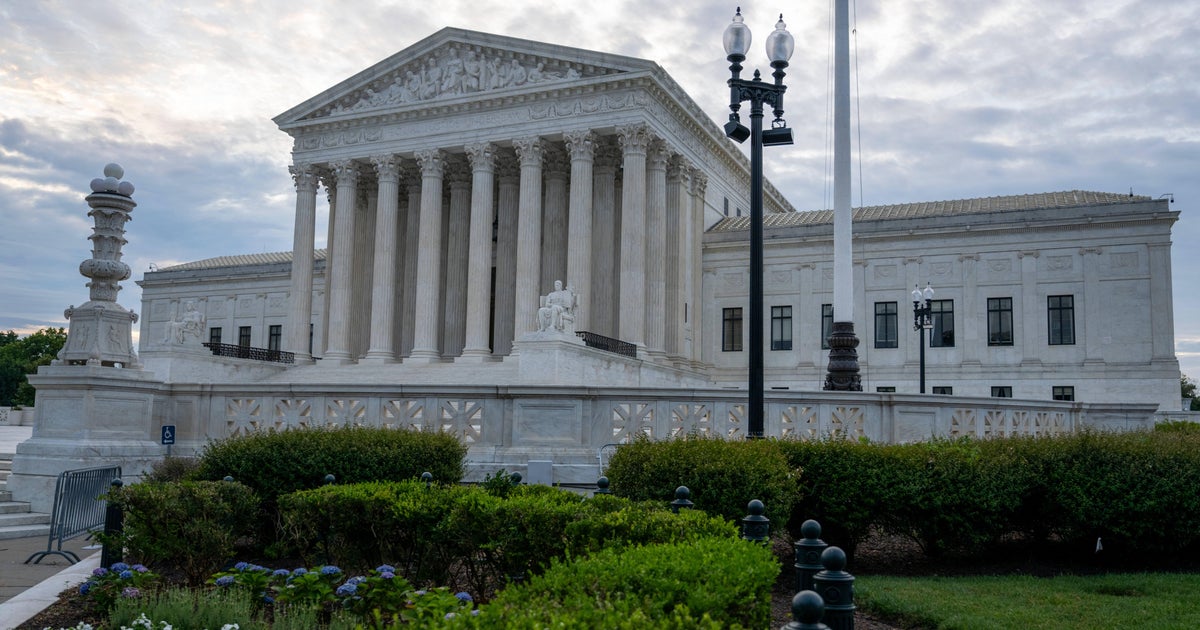
In Wolford v. Lopez, the justices voided a Hawaii measure that required concealed-carry permit holders to get an owner's permission before bringing firearms onto private property open to the public.
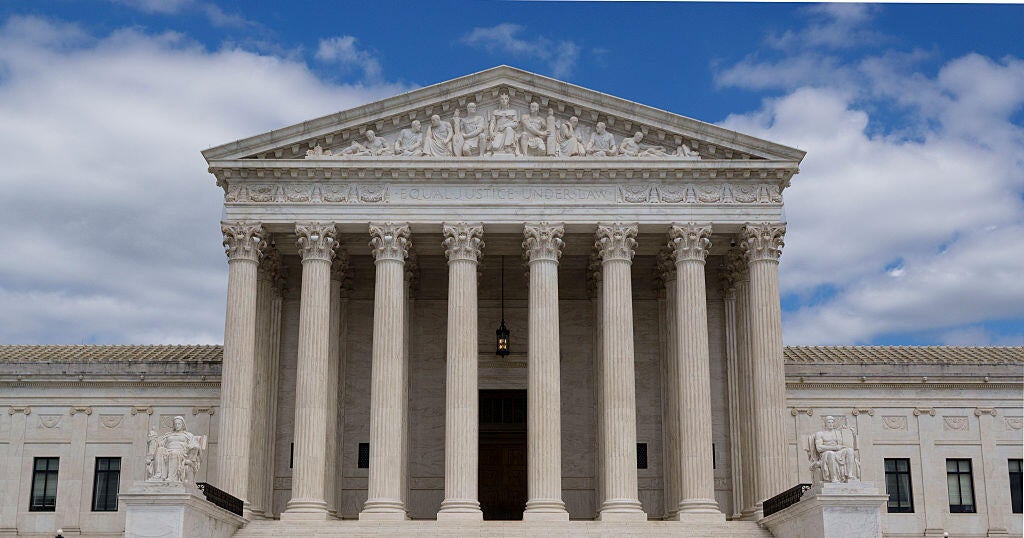
In United States v. Hemani, the justices ruled that occasional drug users cannot be automatically stripped of their Second Amendment rights, while leaving the broader federal statute intact.

The justices have roughly a dozen blockbuster decisions left before their summer recess, from Trump's bid to end birthright citizenship to fights over mail ballots, the Fed's independence and transgender athletes.
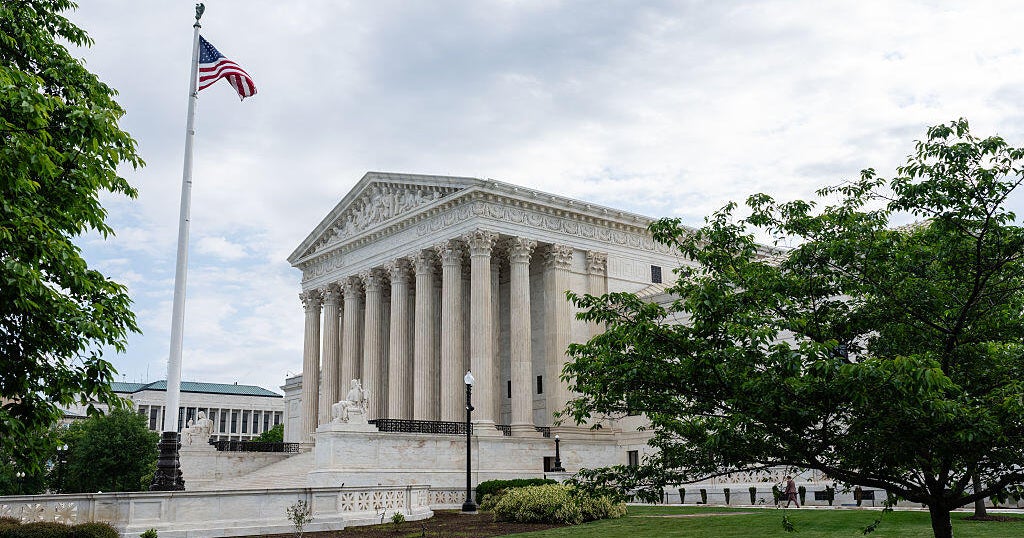
As the term winds down at the end of June, the justices still must decide cases on birthright citizenship, transgender athletes and the Second Amendment after striking down Trump's global tariffs earlier this year.

Federal lawsuit follows separate suit against Denver, challenging state's ammunition restrictions.