The Justice Department Declared the 1968 Ban on Selling Handguns to 18-, 19- and 20-Year-Olds Unconstitutional and Said It Will No Longer Prosecute Dealers Who Break It. 'Eighteen-Year-Olds May Vote, Serve on Juries, Be Drafted, and Face Adult Criminal Penalties, Including Capital Punishment.'
The Office of Legal Counsel opinion by T. Elliot Gaiser says the law fails the Supreme Court's 2022 history-and-tradition test because Founding-era militia statutes required 18-year-olds to show up with their own guns. It binds no court, but it tells every federal prosecutor to stand down. Everytown called it a 'dangerous dereliction of duty.'
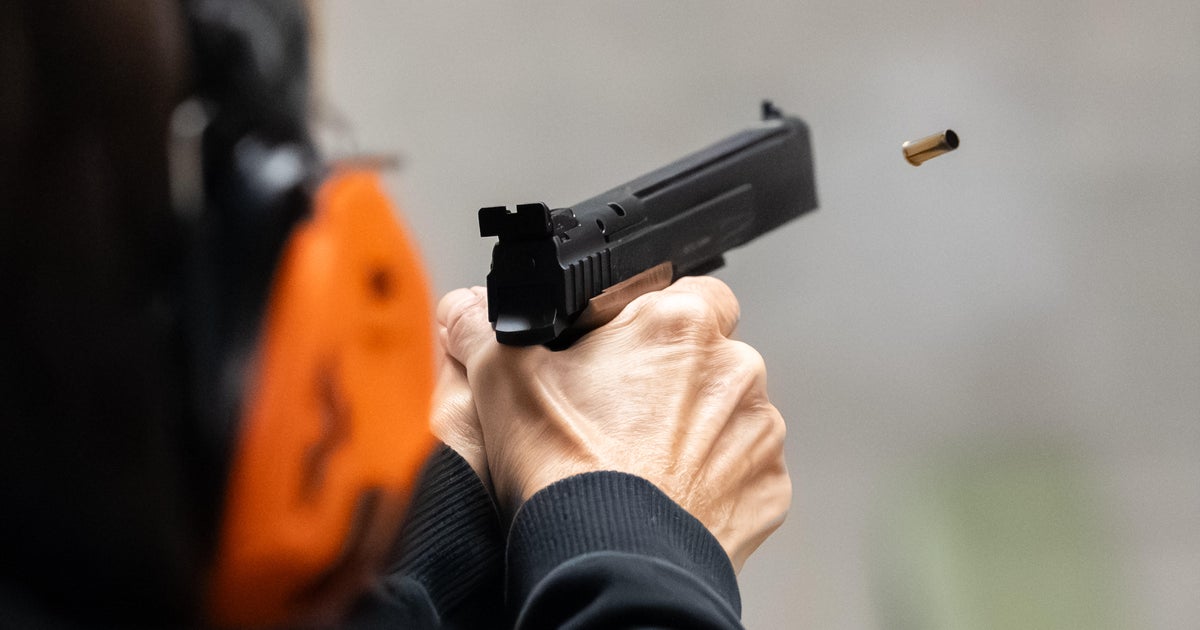
The Justice Department said Friday that a 58-year-old federal law barring licensed gun dealers from selling handguns to adults under 21 violates the Second Amendment and can no longer be enforced with criminal charges. The conclusion came in a formal opinion from the department's Office of Legal Counsel, the office whose legal judgments bind the executive branch, and it means federal prosecutors will stop bringing cases against dealers who sell pistols to 18-, 19- and 20-year-olds.
The restriction dates to the Gun Control Act of 1968 and is codified at 18 U.S.C. 922(b)(1) and (c)(1). It has always been narrower than it sounds. Adults under 21 can legally buy rifles and shotguns from a licensed dealer and can buy a handgun from a private seller; the law only forbids federally licensed dealers from selling them handguns or handgun ammunition. Dealers who violate it face felony charges.
Assistant Attorney General T. Elliot Gaiser, who heads the Office of Legal Counsel, wrote that 18-to-20-year-olds are plainly among "the people" whose right to keep and bear arms the Constitution protects. "Eighteen-year-olds may vote, serve on juries, be drafted, and face adult criminal penalties, including capital punishment," he wrote. "The Constitution protects the people's right to keep and bear arms." Because the statute burdens the ability of adults to acquire arms in common use, the opinion says, it falls within the amendment's text and is presumptively unconstitutional under the test the Supreme Court laid out in its 2022 Bruen decision, which asks whether a modern restriction has a match in the nation's historical tradition of firearm regulation.
The opinion found no such match. At the Founding, Gaiser wrote, there was no tradition of keeping legal adults from buying firearms for public-safety reasons; on the contrary, militia statutes "overwhelmingly required service beginning at 18 and required enrollees to furnish their own arms." The office concluded that the two provisions "may not be enforced to impose criminal penalties on dealers who sell handguns to a class of law-abiding adults who, in nearly every other relevant respect, are members of the political community."
Federal appeals courts are divided on the question. The Fifth Circuit struck down the federal ban in 2025, and the Third and Eighth Circuits have ruled against similar state age limits, while the Fourth Circuit upheld the federal restriction and the Tenth and Eleventh Circuits upheld state-level ones. The Supreme Court declined to take up the issue in 2025, leaving the law in force in some parts of the country and unenforceable in others. The new opinion resolves that patchwork for federal prosecutors by telling them not to charge anyone anywhere.
Gun-control groups reacted sharply. Eric Tirschwell, executive director of Everytown Law, called the move a "dangerous dereliction of duty" and warned that prosecutors will stop holding illegal handgun sellers accountable. Emma Brown, executive director of Giffords, called it "illegal and dangerous," noting that 18-to-20-year-olds commit a disproportionate share of gun violence relative to their numbers.
The opinion is not a court ruling and sets no precedent that judges must follow. The statute remains on the books, the Bureau of Alcohol, Tobacco, Firearms and Explosives has not said whether it will change dealer licensing rules, and a future administration could reverse the position. But the practical effect is immediate. The administration has said it will not defend the law in court or prosecute violations, which for a dealer weighing a sale is the only question that matters.
The move fits a pattern. Since returning to office, the administration has created a pathway for people with felony convictions to petition for the restoration of their gun rights, and CBS News reported this week that President Trump personally ordered the department not to appeal a Texas ruling striking down the 1934 law regulating silencers and short-barreled shotguns.
Originally reported by CBS News.