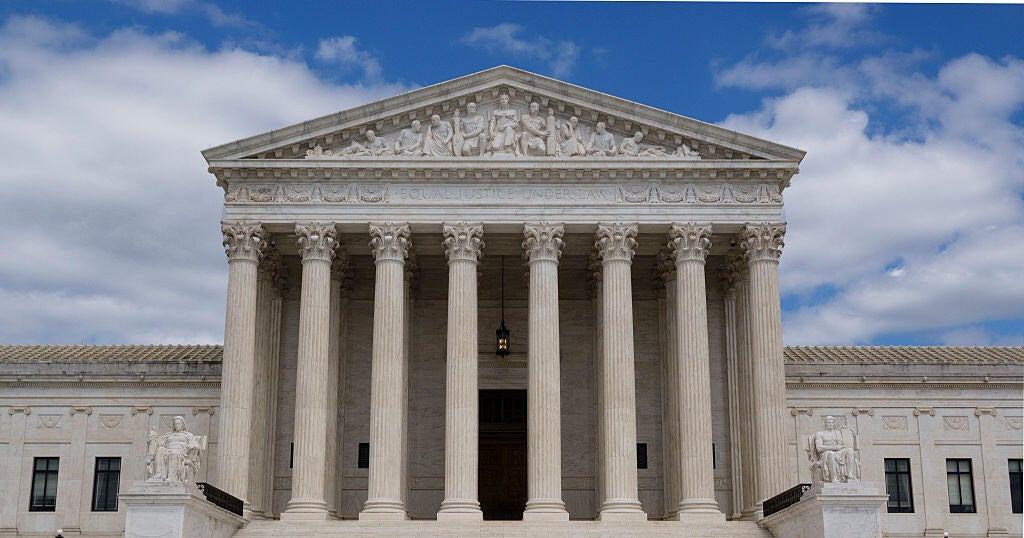
Supreme Court Enters Its Final Weeks With Blockbuster Rulings on Birthright Citizenship and Guns
As the term winds down at the end of June, the justices still must decide cases on birthright citizenship, transgender athletes and the Second Amendment after striking down Trump's global tariffs earlier this year.
The Supreme Court is heading into the final stretch of its term, with a cluster of consequential decisions still outstanding that could reshape American law on immigration, gun rights and the boundaries of the Constitution itself. The justices typically clear their docket by the end of June, and this year's closing weeks are loaded with cases that touch some of the country's most divisive debates.
Among the most closely watched is a challenge involving birthright citizenship, the long-standing principle rooted in the 14th Amendment that grants citizenship to nearly everyone born on U.S. soil. The case has drawn intense attention because of its implications for millions of families and for an issue the Trump administration has sought to revisit. A ruling that narrows or reinterprets birthright citizenship would mark one of the most significant constitutional shifts in generations.
The court is also weighing the question of whether states can bar transgender athletes from competing in school sports, an issue that has moved rapidly through legislatures and lower courts. The decision will carry immediate consequences for students and athletic programs across the country and will further define how far states can go in regulating participation based on sex and gender identity.
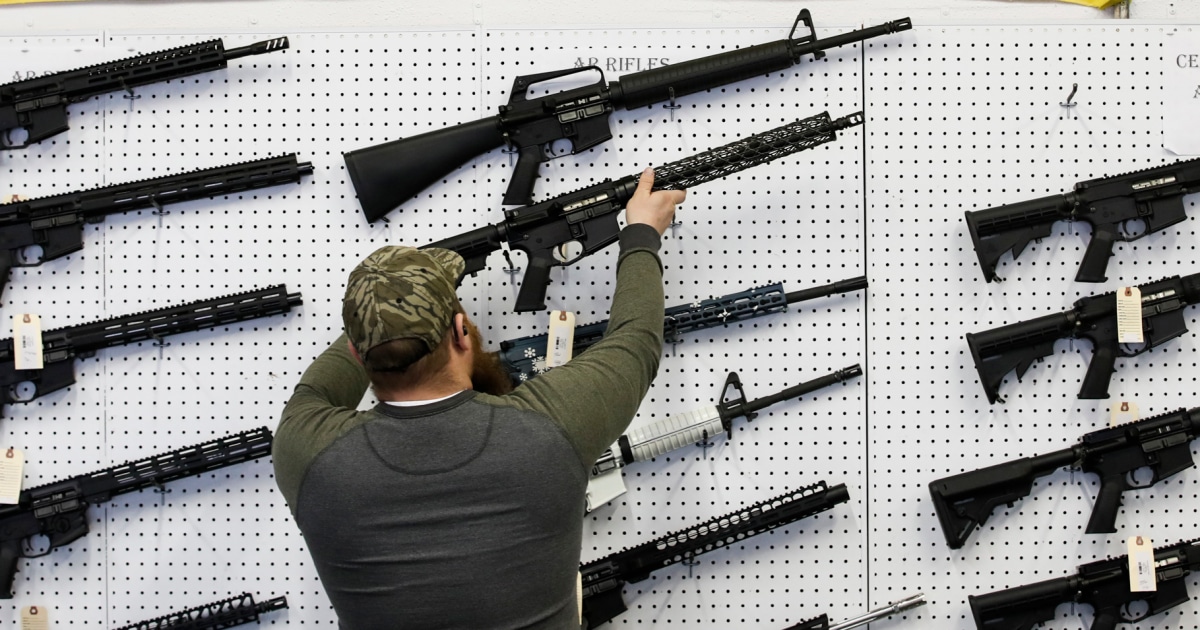
Gun rights round out the marquee cases. The justices are set to issue another major Second Amendment decision, continuing a line of rulings that has expanded the scope of the right to bear arms and forced lower courts to grapple with how to evaluate firearms restrictions. Gun-control advocates and gun-rights groups alike are watching for signals about how the court intends to police the limits of regulation.
The term has already produced at least one landmark. In February, the court struck down President Trump's sweeping global tariffs in a 6-3 decision, ruling that the president could not impose such broad duties under the International Emergency Economic Powers Act and that the power to tax imports rests with Congress. Economists at the Penn Wharton Budget Model estimated the tariffs collected under the law exceeded $175 billion, much of which could ultimately have to be refunded as a result of the ruling.
That tariff decision underscored a recurring theme of the term: a court repeatedly asked to define the limits of executive power during a presidency that has tested them aggressively. The remaining cases promise to extend that examination into the realms of citizenship, civil rights and constitutional liberties.
With only weeks left before the justices recess for the summer, the pace of decisions is expected to accelerate. Each opinion day now carries the potential for a ruling that could dominate the national conversation, and the most contentious cases — as is customary — are likely to land last.