Supreme Court Heads Into Explosive Final Month With Birthright Citizenship and Election Rules on the Line
The justices have roughly a dozen blockbuster decisions left before their summer recess, from Trump's bid to end birthright citizenship to fights over mail ballots, the Fed's independence and transgender athletes.

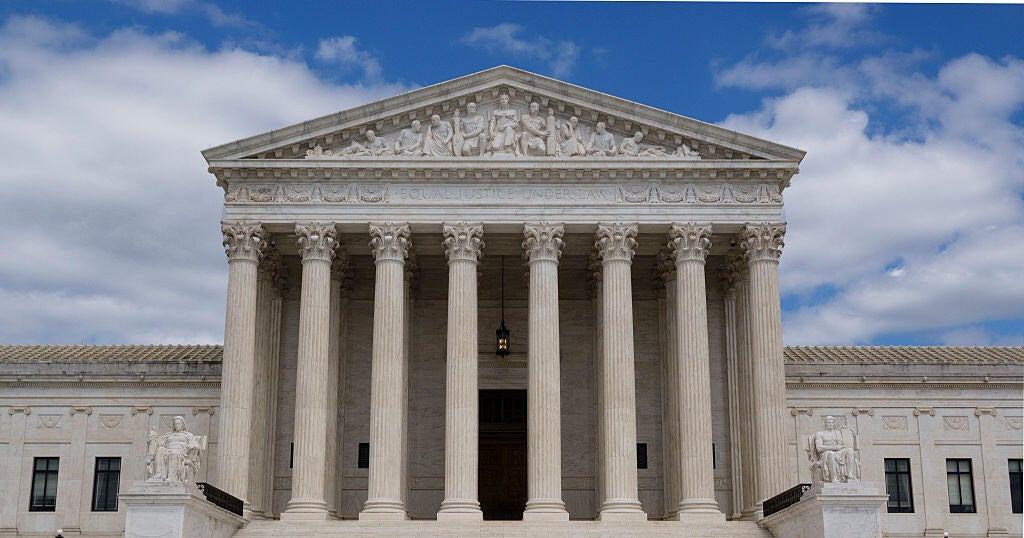
The Supreme Court is entering the most consequential stretch of its term, with roughly a dozen major decisions still unresolved and the justices expected to hand down rulings that could reshape immigration, elections and the structure of the federal government before they recess for the summer.
Looming largest is Trump v. Barbara, the challenge to the president's executive order ending birthright citizenship for children born in the United States to parents who are undocumented or only temporarily present. The order, signed on Trump's first day in office in January 2025, directed agencies to deny passports and Social Security numbers to such children. During April arguments, several justices appeared skeptical of the administration's position, signaling the directive — which would upend more than a century of precedent under the 14th Amendment — could be struck down.
A cluster of election cases could land just months before the November midterms. In Watson v. Republican National Committee, the court will decide whether states may count mail ballots that are postmarked by Election Day but arrive afterward, a practice in 14 states and the District of Columbia. In NRSC v. Federal Election Commission, the justices weigh whether federal limits on coordinated spending between party committees and their candidates violate the First Amendment — a ruling that could reshape how money flows through campaigns.
Two cases test the limits of presidential power over independent agencies. In Trump v. Cook, the court is reviewing whether the president can fire Federal Reserve Governor Lisa Cook; during January arguments the justices appeared inclined to let her keep her seat, describing the Fed as a uniquely structured, quasi-private institution. In Trump v. Slaughter, the court could overturn the 1935 Humphrey's Executor precedent and dramatically expand a president's authority to remove members of bodies like the Federal Trade Commission.
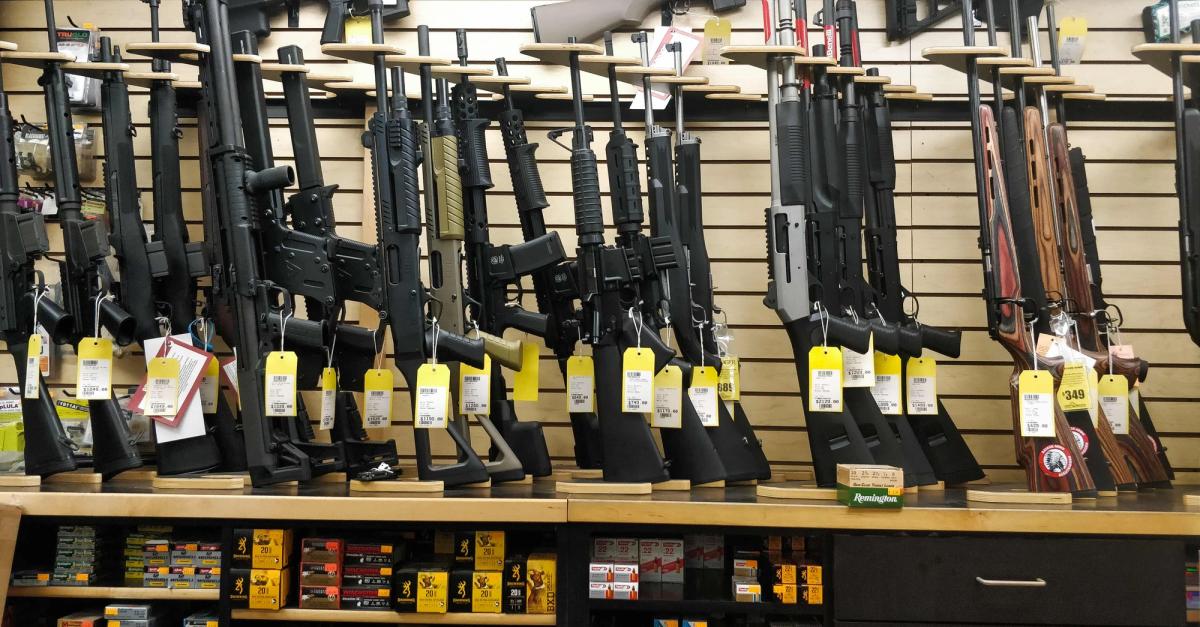
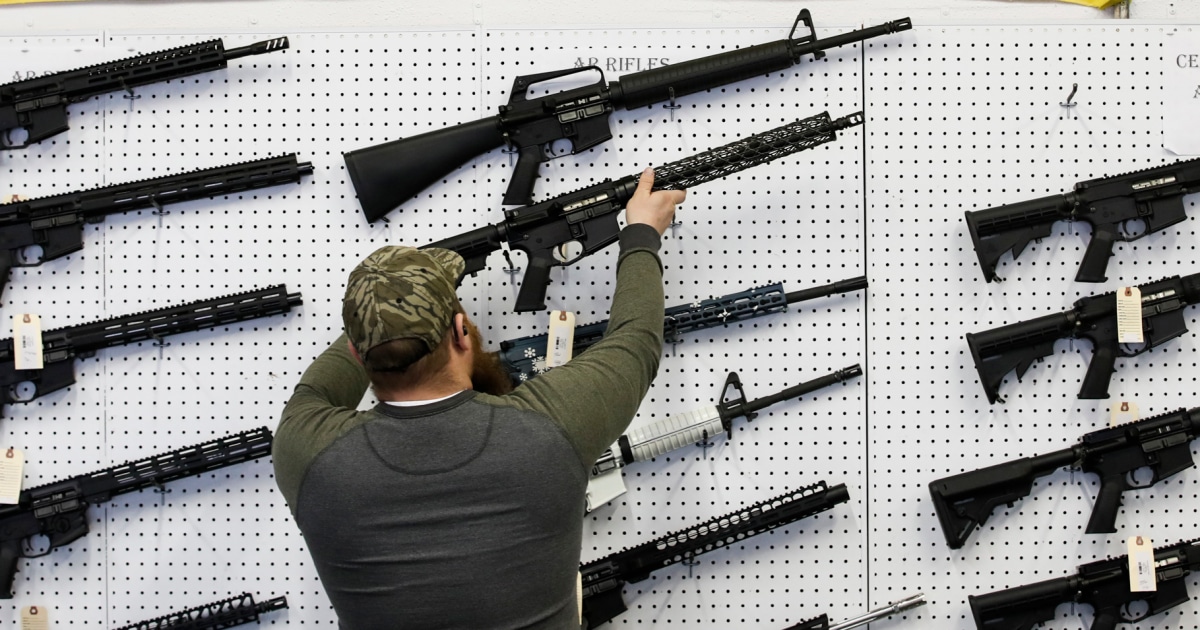
Other pending disputes carry sweeping stakes of their own. The justices will rule on whether state bans on transgender girls and women in sports violate the Constitution or Title IX, a question affecting some 27 states; whether courts may review the Homeland Security Department's decision to end Temporary Protected Status for hundreds of thousands of Syrian and Haitian immigrants; and, in United States v. Hemani, whether barring marijuana users from owning firearms violates the Second Amendment — a case in which the National Rifle Association and the American Civil Liberties Union both backed the defendant.
All of the decisions are expected before the court's summer recess, though in recent years the justices have increasingly pushed their most contentious rulings into early July. Whenever they arrive, the opinions promise to test the boundaries of executive authority and land squarely in the middle of an already turbulent election year.