Trump Says He'd Consider Pardoning Members of His Administration Before He Leaves Office
In a Time magazine interview, the president pointed to Joe Biden's final-days pardons and said, "Yeah, sure, I'd do that," as Democrats vow aggressive oversight if they win the House.
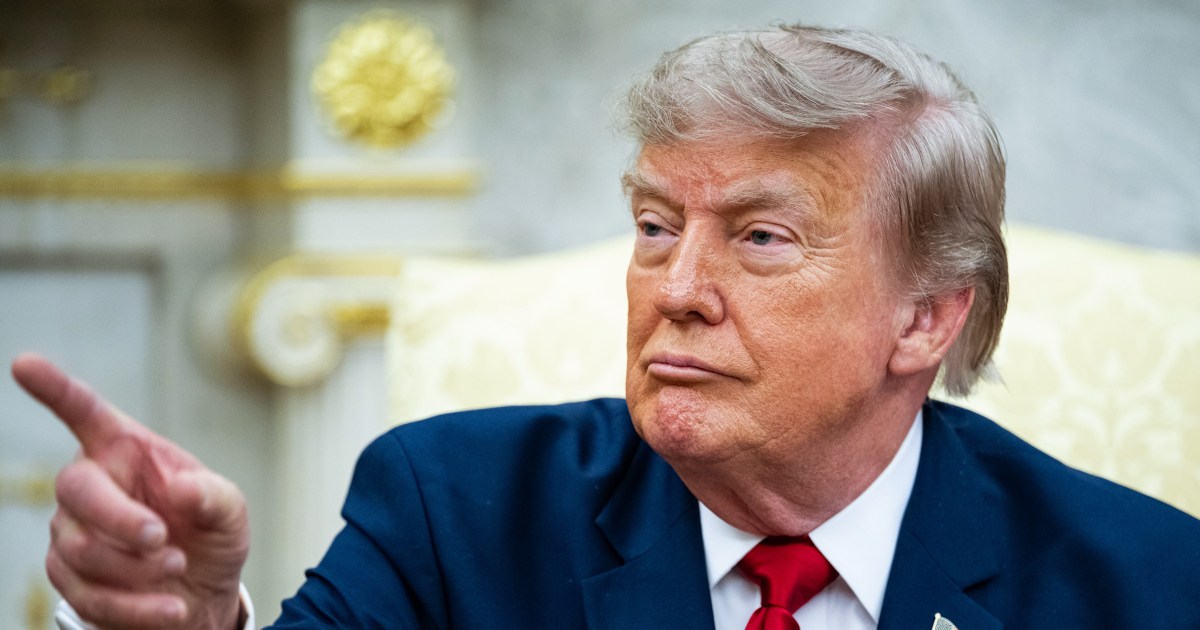
President Donald Trump said Thursday that he is open to issuing pre-emptive pardons to members of his administration before his second term ends, telling Time magazine, "Yeah, sure, I'd do that." The remark came in an interview published October 1 under the title "What Trump Has Built," when a reporter asked him directly whether he was considering pardoning members of his administration before leaving office.
Trump framed the idea as a matter of fairness, pointing to his predecessor. "Sleepy Joe gave pardons to everybody. He gave them to Fauci. He gave them to this. But you mean I'm not allowed to give them?" Trump said. He added that Biden's pardons had been "a disappointment to a lot of Republicans," a line that suggests he sees the use of the clemency power on behalf of one's own allies as something his side has been too restrained about.
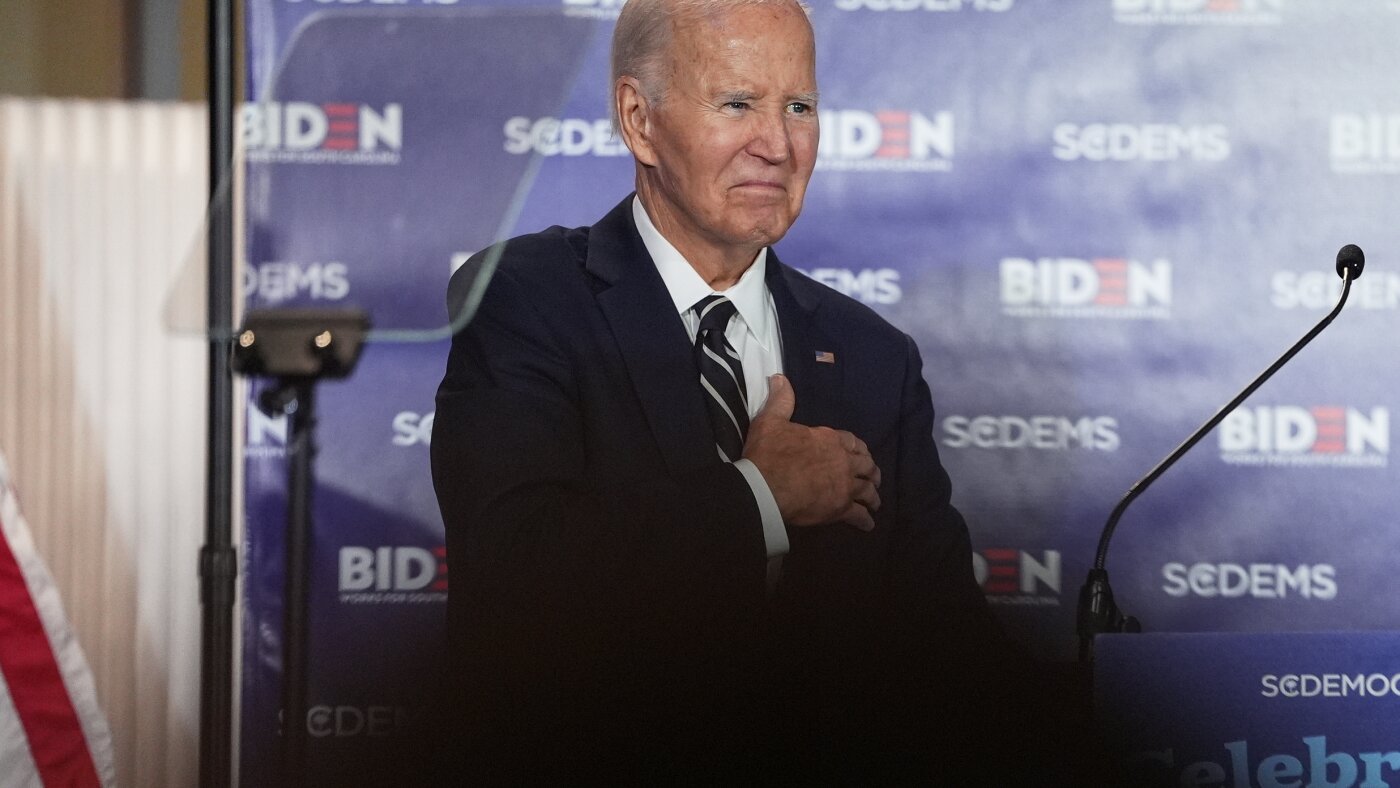
The precedent Trump is invoking is real. In the final days of his presidency, Joe Biden issued pre-emptive pardons to people Trump had targeted during the 2024 campaign, including former Joint Chiefs of Staff Chairman Gen. Mark Milley, Dr. Anthony Fauci, and the members and staff of the House committee that investigated the January 6, 2021, attack on the Capitol. Those pardons were issued to people who had not been charged with any crime, a use of the power that Republicans criticized at the time as improper.
Thursday's comment is not the first sign that Trump has thought about the idea. The Wall Street Journal reported in April that Trump had told top officials they would be pardoned before he leaves office, quoting him as saying he would "pardon everyone within 200 feet of the Oval." Other reporting has said he told advisers last year that he would hold a news conference and announce a wave of pardons near the end of his term. The Time interview is the first time he has been asked about it on the record and answered in the affirmative.
Under Article II of the Constitution, the president's pardon power covers federal offenses and can be used before charges are filed. It does not reach state crimes, and it cannot shield anyone from impeachment. That leaves open a question that legal scholars have debated for decades: whether a blanket pardon of officials for conduct that is not yet publicly known would be treated as valid in court. No president has tested that in a case that reached the Supreme Court.
The timing matters politically. The midterm elections are less than five weeks away, and Republicans are defending narrow majorities in the House and Senate while Trump's approval ratings have slipped and voters remain concerned about prices. House Minority Leader Hakeem Jeffries has said that if Democrats win control of the House, they would conduct what he calls "aggressive oversight" and "hold the crooks accountable." A president who has said he would pre-emptively clear his own officials gives Democrats a ready-made argument that such investigations are necessary, and gives Republicans a question they will be asked on the campaign trail.
The White House did not immediately lay out which officials Trump had in mind, or when any pardons might be issued. Trump's second term runs until January 2029, which means any such action would not be expected for more than two years. The comment is nonetheless likely to follow him through the fall campaign, because it offers a direct answer to a question that critics have been raising since he returned to office: whether the people carrying out his policies believe they will ever have to answer for them.