Joe Biden Sues Justice Department to Block June 15 Release of Ghostwriter Audio Tapes Obtained by Special Counsel Robert Hur
The 82-year-old former president argues in a 47-page complaint that releasing the 2016 and 2017 interview recordings with memoir collaborator Mark Zwonitzer to the House Judiciary Committee and the Heritage Foundation would be "an unwarranted invasion of privacy" because they contain extended conversations about his son Beau's 2015 death.
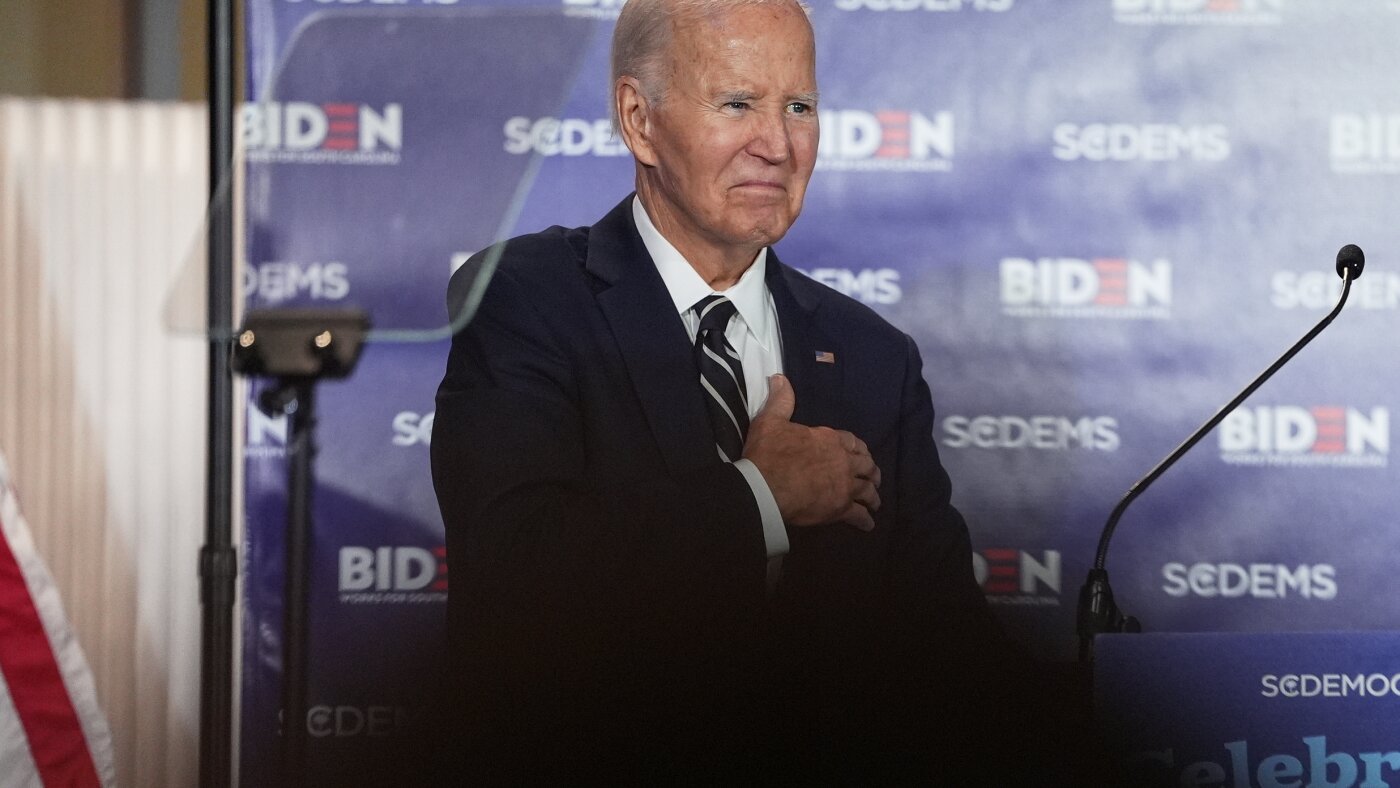
Former President Joe Biden sued the Justice Department in federal court in Washington on Tuesday seeking to block the planned release of audio recordings and transcripts of his 2016 and 2017 interviews with ghostwriter Mark Zwonitzer, files obtained by special counsel Robert Hur during his investigation into Biden's handling of classified documents. The 82-year-old former president, who left office in January after a single term clouded by questions about his memory and mental acuity, argues in the 47-page complaint that releasing the recordings would constitute "an unwarranted invasion of President Biden's privacy" because they contain extensive, personal conversations about the 2015 brain-cancer death of his son Beau.
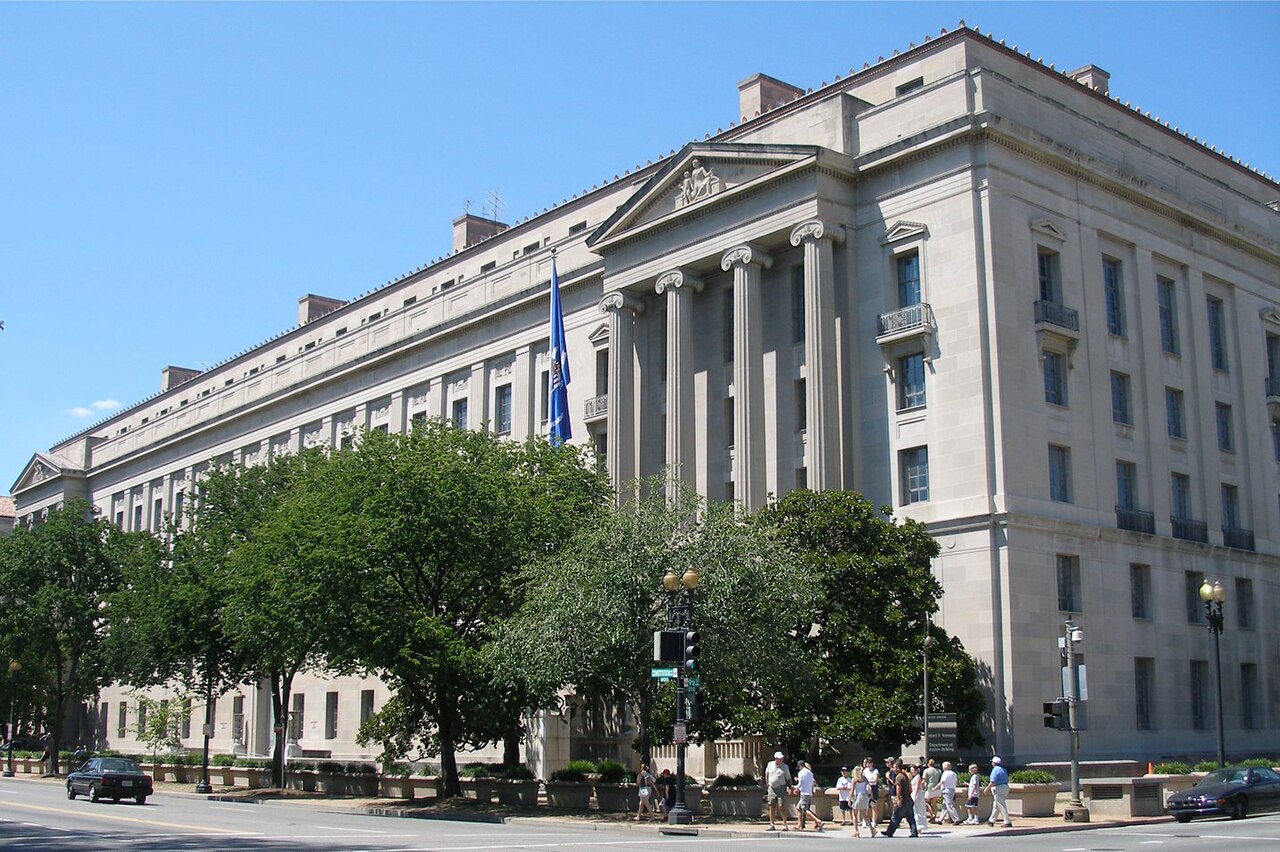
The lawsuit was filed against Attorney General Pam Bondi, Deputy Attorney General Todd Blanche and the Department of Justice itself after Justice told a federal court last week that it intends to turn the materials over to the House Judiciary Committee and the conservative Heritage Foundation on June 15 in response to Freedom of Information Act requests and a congressional subpoena. The department had previously taken the opposite position under Biden's own appointees, arguing the tapes were exempt under FOIA exemptions covering personal privacy and pending law-enforcement files. "The Department of Justice's abrupt reversal — after years of insisting these private recordings should remain sealed — is a politically motivated capitulation that betrays a core principle of American justice," Biden's lead attorney Bob Bauer wrote in the filing.
The Hur report, released in February 2024, declined to prosecute Biden over the retention of classified documents at his Wilmington home and his University of Delaware office, but described the then-president as "a well-meaning, elderly man with a poor memory" — a characterization that became a defining moment in the 2024 campaign and helped force Biden out of the race in July of that year. The taped interviews, conducted with Zwonitzer in connection with Biden's 2017 memoir "Promise Me, Dad: A Year of Hope, Hardship, and Purpose," were transcribed and reviewed by Hur's investigators after they were turned over voluntarily by Zwonitzer's literary agent. Until Tuesday, only the transcripts had ever been made public.
A Justice Department spokesman, Drew Ensign, defended the planned release, telling reporters: "These records are responsive to a duly issued congressional subpoena and to FOIA requests submitted years ago. The American people have a right to see the underlying audio that informed the special counsel's findings about a sitting president's fitness for office." House Judiciary Chairman Rep. Jim Jordan, R-Ohio, who issued the subpoena last month, said in a statement that "Joe Biden's lawyers want to keep these tapes buried because they show what we already suspect — that he was unfit to handle the nation's secrets for years." House Democrats accused the Trump administration of weaponizing a privacy fight for political ends, with Ranking Member Rep. Jamie Raskin, D-Md., calling the planned disclosure "a despicable, partisan stunt aimed at humiliating a man who served his country for half a century."
The complaint asks U.S. District Judge Amit Mehta — the same Obama-appointee who oversaw several of the Trump-era civil cases — to issue a temporary restraining order before the June 15 deadline. Legal experts told NPR the case will turn on a narrow question: whether a former president can claim a personal-privacy interest strong enough to override a congressional subpoena and contemporaneous FOIA requests. "There is a real legal question about who owns these tapes — Biden, Zwonitzer, the publisher, or the government — but the bigger story is the precedent," said Jonathan Turley, professor at George Washington University Law School. "If Joe Biden wins, every future ex-president will be able to claw back materials a special counsel obtained. If he loses, the audio of one of the most consequential interviews in modern political history is going to drop on the country in three weeks."