Oil Soars Past $100 as S&P 500 Nears Correction Territory in Iran War's Second Month
Global energy prices surge while U.S. stock indexes struggle to recover from steep losses as Middle East conflict disrupts supply chains.

U.S. crude oil prices topped $100 per barrel for the first time since the Iran conflict began, while the S&P 500 approached correction territory as the war entered its second month with no clear resolution in sight. Global markets continue to grapple with supply chain disruptions and energy security concerns that have sent shockwaves through multiple sectors of the economy. The combination of rising energy costs and geopolitical uncertainty has created a challenging environment for investors, with many benchmark indexes posting their worst performance since the early days of the conflict.
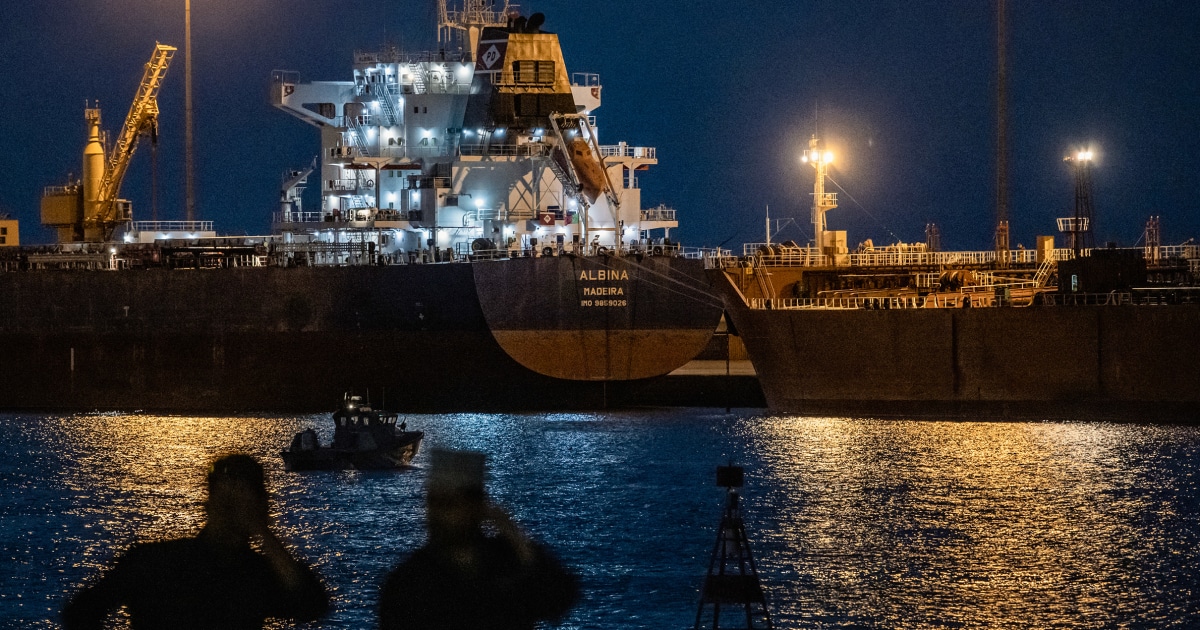
The surge in oil prices reflects growing concerns about supply disruptions in the Persian Gulf, where approximately 20% of global petroleum supplies transit daily through the strategically vital Strait of Hormuz. Recent incidents, including the fire aboard a Kuwaiti tanker off Dubai, have heightened fears that the conflict could further impair energy shipments from the region. Maritime insurance rates have skyrocketed as shipping companies reassess their willingness to operate in waters increasingly affected by military operations and potential retaliation.
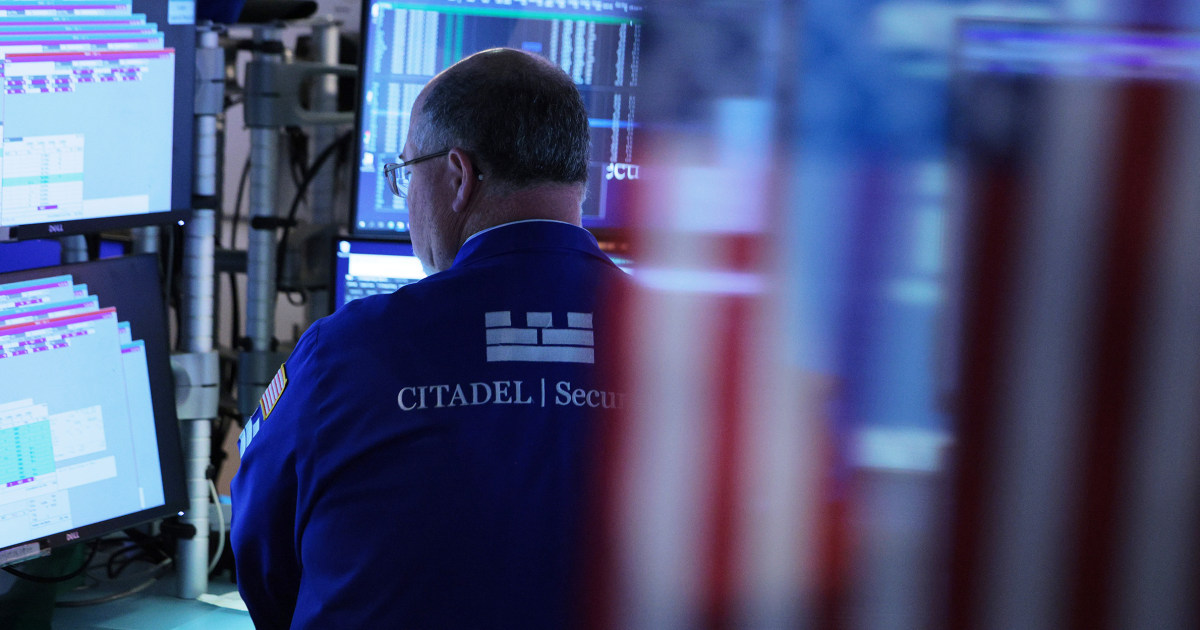
Equity markets have struggled to maintain stability as investors weigh the economic implications of prolonged conflict and higher energy costs. The S&P 500's decline toward correction territory reflects broader concerns about corporate earnings and consumer spending in an environment of rising fuel costs. Energy-intensive industries have been particularly affected, with airlines already announcing fare increases and manufacturing companies warning about higher production costs. The combination of inflationary pressure and geopolitical uncertainty has created a particularly challenging environment for risk assets.
The war's economic impact extends beyond energy markets, with disruptions to shipping routes and supply chains affecting multiple industries. Chinese suppliers have warned American companies about potential price increases due to transportation difficulties caused by the closure of key shipping lanes through the Strait of Hormuz. These supply chain disruptions threaten to reignite inflationary pressures that had begun to moderate in recent months, potentially complicating Federal Reserve monetary policy decisions.
Market analysts are closely watching for signs that the conflict might expand further or that diplomatic efforts could produce a breakthrough that might stabilize energy prices. However, with President Trump's recent threats to target Iranian infrastructure and Iran's leadership reportedly struggling to coordinate their negotiating positions, the prospects for a near-term resolution appear limited. The sustained volatility has prompted some institutional investors to reassess their portfolio allocations, with many increasing their exposure to defensive assets and commodities while reducing positions in more speculative investments.