Wall Street Caps Its Best First Half Since 1991 as the Dow Notches a Fresh Record
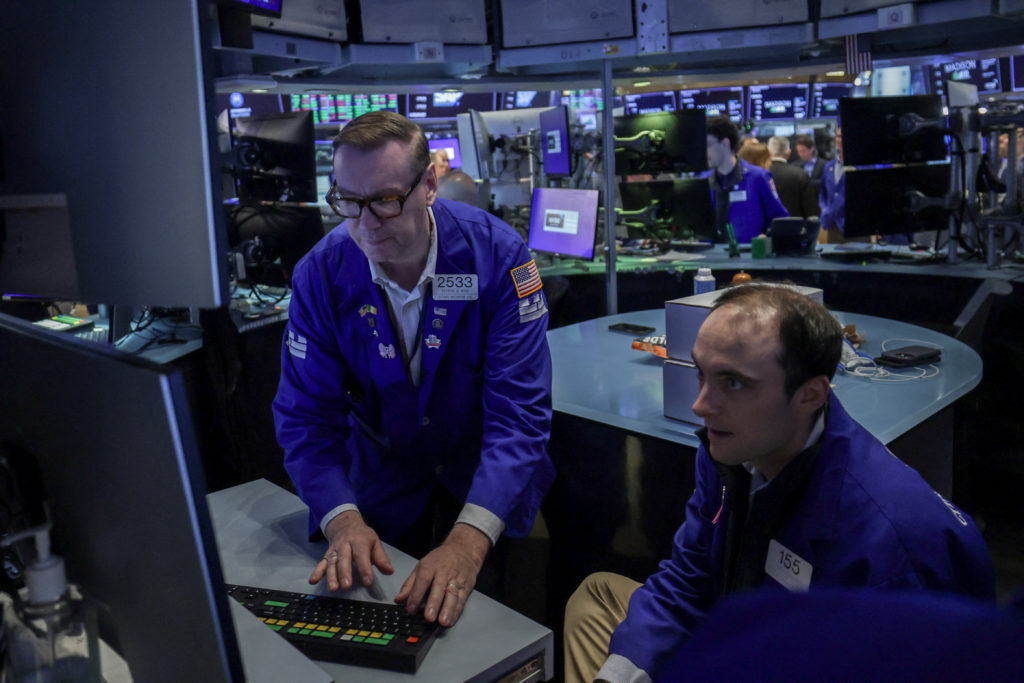
The Dow Jones Industrial Average climbed to an all-time high to close a first half in which the blue-chip index gained more than 21% — its strongest start to a year in 34 years.

Wall Street closed the books on a blistering first half of 2026, with the Dow Jones Industrial Average pushing to a fresh record high and the broad market notching its strongest start to a year in more than three decades. The blue-chip index added more than 21 percent over the first six months — its biggest first-half gain since 1991 — as investors bet that cooling inflation and resilient corporate profits would keep the four-year-old bull market running.
The Dow climbed nearly 600 points in a recent session to set a new all-time high, powered by strength in traditional, economically sensitive sectors rather than the technology giants that led earlier legs of the rally. The S&P 500 and the tech-heavy Nasdaq Composite hovered near their own records, capping a quarter that ranked among the best in years for U.S. equities.
Beneath the headline numbers, a striking rotation was reshaping the market. After artificial-intelligence and semiconductor shares surged more than 80 percent in the first half, investors began taking profits and shifting money into the "boring" industrial, financial and consumer names that dominate the Dow. Chip bellwethers Nvidia and Broadcom slipped roughly 1 percent and 2 percent, respectively, in the latest session even as the overall market advanced — a sign, strategists said, of broadening participation rather than a fading rally.
Analysts described the so-called Great Rotation as a healthy development, arguing that a wider base of winners tends to make bull markets more durable than those driven by a handful of megacap technology stocks. Money flowing out of frothy AI trades and into value-oriented sectors, they said, reflected confidence in the broader economy rather than a retreat from risk.
Still, the rally faces obvious tests as the third quarter opens: sticky inflation, an uncertain path for Federal Reserve interest rates, and the towering expectations now baked into AI valuations. A recent report showed U.S. hiring had slowed sharply, adding just 57,000 jobs in June, a reminder that the economy underpinning the record run is losing some momentum. For now, though, investors were content to celebrate a first half for the history books.