Wall Street Tumbles as Trump Threatens Fresh Iran Strikes, Nasdaq Slides More Than 3%
Technology and energy shares led a sharp sell-off after the president signaled the U.S. was preparing new military action, reigniting fears over the Strait of Hormuz.

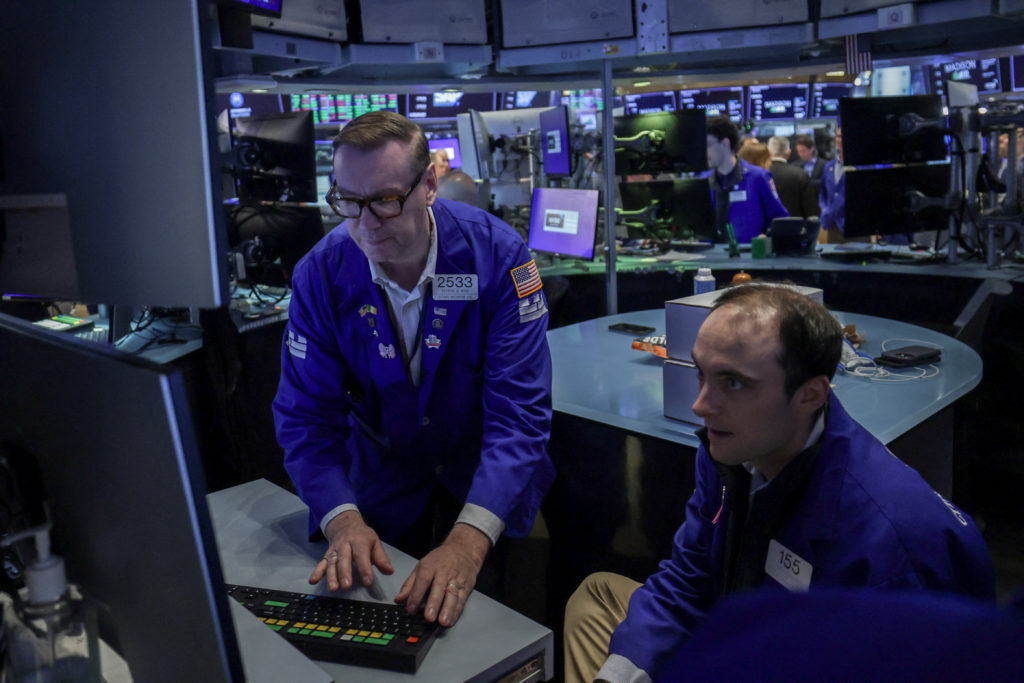
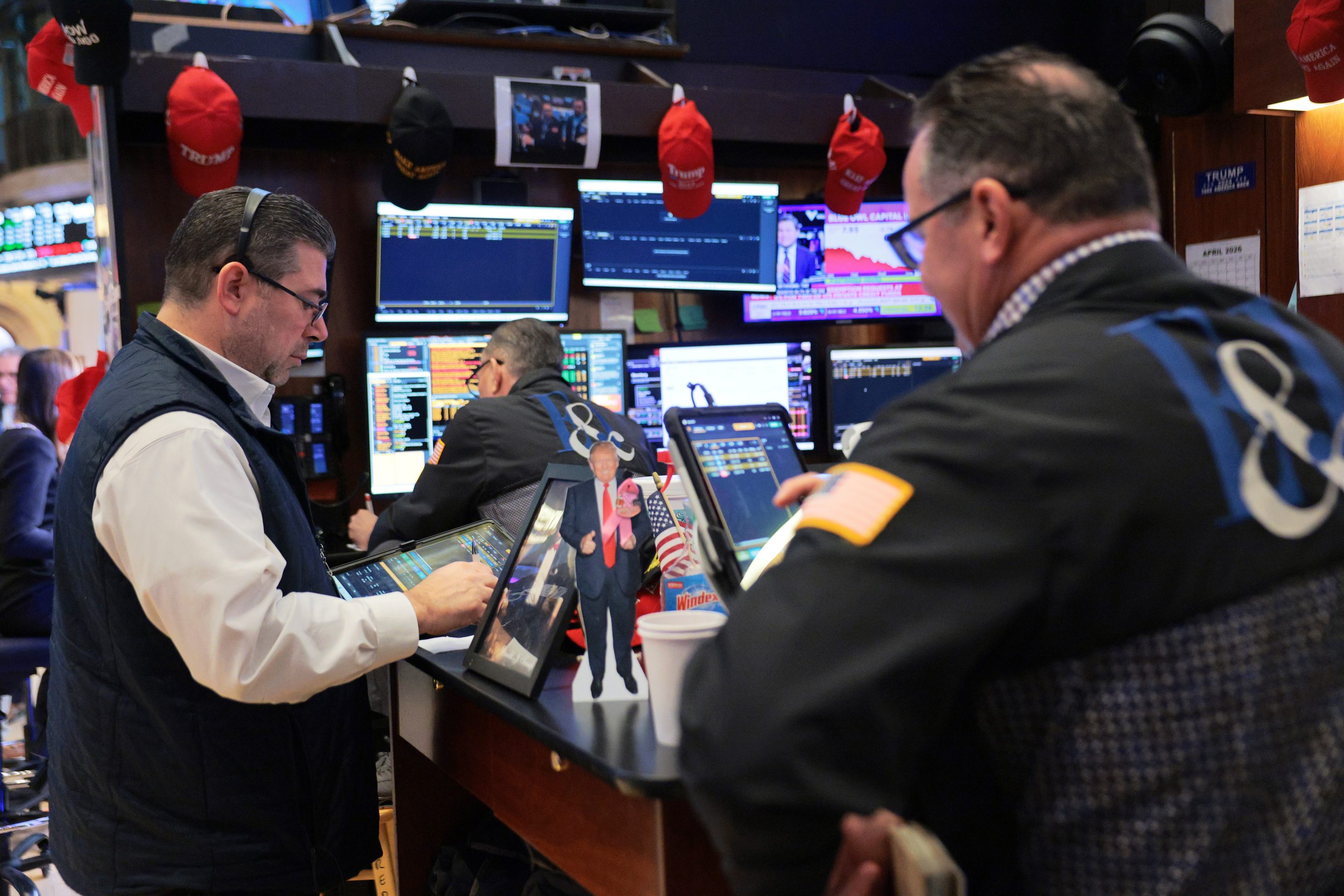
NEW YORK — U.S. stocks sank Tuesday after President Donald Trump signaled the United States was preparing fresh military strikes against Iran, jolting investors who had spent the morning betting on a swift de-escalation in the Persian Gulf.
The tech-heavy Nasdaq Composite fell more than 3% at its intraday low before paring some losses, while the S&P 500 dropped over 2% as worries mounted that renewed American action could reignite a regional conflict and choke off oil flows through the Strait of Hormuz, the world's most important petroleum chokepoint. The Nasdaq ended near 25,678, with the declines concentrated almost entirely in the technology and energy sectors.
The reversal was abrupt. Earlier in the session, Trump had told reporters that a deal to end the conflict with Iran could be reached in "two or three days" and that the Strait of Hormuz would reopen "immediately," comments that initially lifted sentiment. But the mood soured after the president pivoted to threatening retaliation, and the U.S. subsequently launched what officials described as "self-defense strikes" against Iran in response to the downing of an American helicopter a day earlier.
Energy markets whipsawed on the headlines. Crude prices, which had retreated on hopes of a cease-fire, climbed again as traders priced in the risk of supply disruptions. Roughly a fifth of the world's oil passes through the narrow waterway between Iran and Oman, and any sustained interruption there would ripple through global fuel costs and inflation data that the Federal Reserve is watching closely.
"The market is being whipped around by every headline out of the Gulf," one strategist said, describing a tape driven less by fundamentals than by the minute-to-minute signals from Washington and Tehran. The tech sell-off compounded an existing rotation out of the megacap growth names that have powered the bull market, leaving the most richly valued corners of the index especially exposed.
After the closing bell, futures pointed to continued unease. S&P 500 futures and Nasdaq 100 futures each shed about 0.3%, while Dow Jones futures fell roughly 161 points, also about 0.3%, as investors braced for Iran's response and parsed whether the administration's "self-defense" framing signaled a contained operation or the opening of a new and more dangerous phase. For markets that had hoped the worst of the three-month war was behind them, Tuesday was a reminder of how quickly that calculus can change.