US Navy Destroyers Cross Strait of Hormuz for First Time Since Iran War Began; Iran Claims It Warned Ships to Turn Back
Two American guided-missile destroyers navigated the critical oil chokepoint Saturday in the war's most significant maritime development since the conflict began, as VP Vance simultaneously met with Iranian officials in Islamabad.
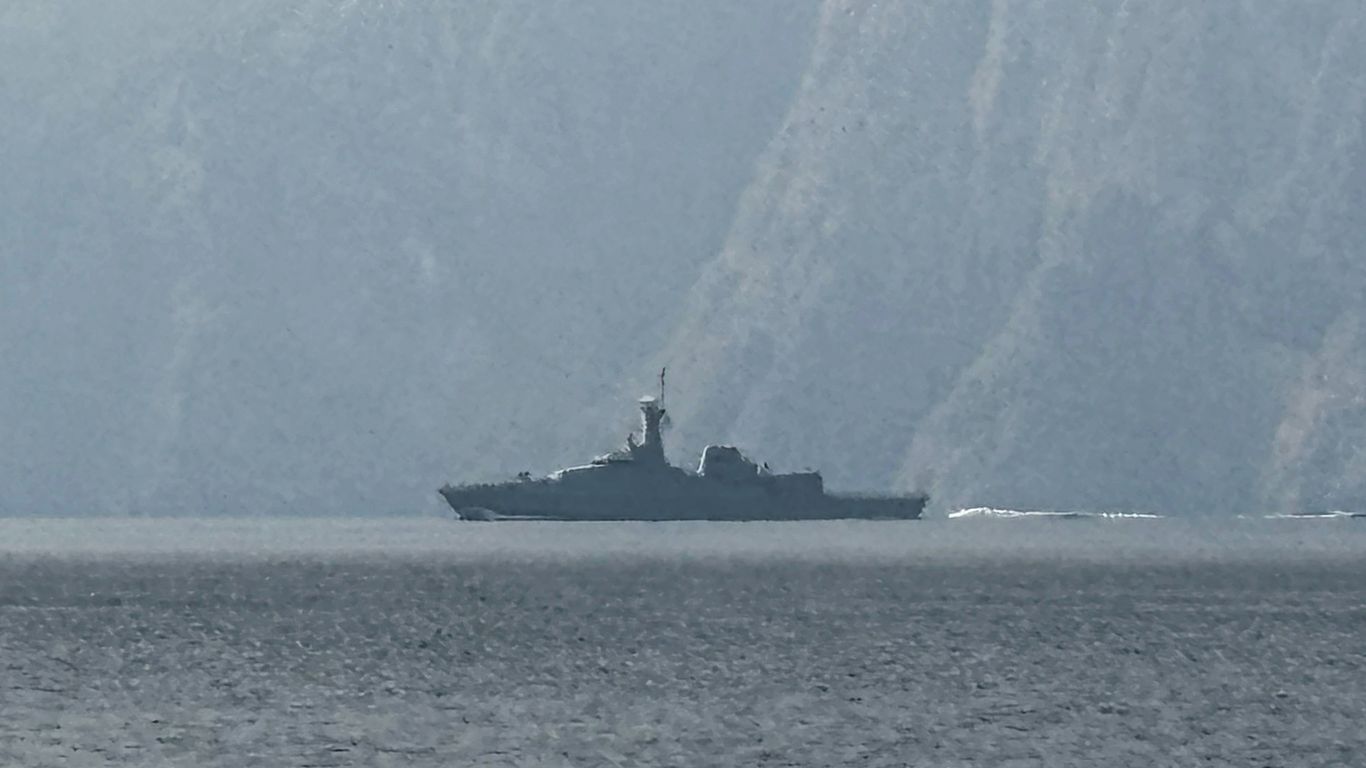
Two US Navy guided-missile destroyers crossed the Strait of Hormuz on Saturday in the first American warship transit through the crucial waterway since the Iran war began more than six weeks ago, according to three US officials who confirmed the passage to the Wall Street Journal and Axios. The crossing came as Vice President JD Vance sat down with Iranian and Pakistani officials in Islamabad for the first direct US-Iran peace talks since Operation Epic Fury began.
Iran's state media told a starkly different story. According to the Islamic Republic News Agency, Iranian security forces in the Strait issued a warning to an approaching US destroyer, ordering the ship to turn back and informing its crew that it would be attacked within 30 minutes if it proceeded. Iran claimed the destroyer withdrew. The US military and Pentagon have not publicly responded to the Iranian account, leaving an unresolved factual dispute over what actually occurred in the waterway.
The discrepancy — the US confirming a successful transit, Iran claiming a forced retreat — adds a dangerous layer of ambiguity to already fragile ceasefire negotiations. In Islamabad, Vance arrived alongside Special Envoy Steve Witkoff and senior advisor Jared Kushner to meet with Iranian Parliamentary Speaker Mohammad Bagher Ghalibaf and Foreign Minister Abbas Araghchi in what both sides acknowledged as the first direct diplomatic engagement since the conflict began.
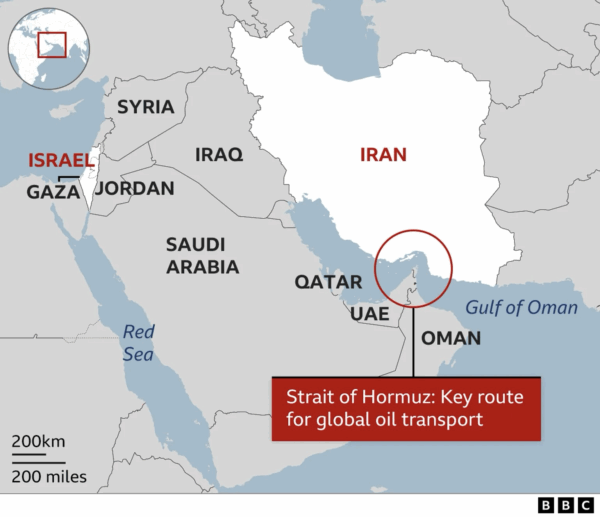
The Strait of Hormuz, a roughly 33-kilometer-wide chokepoint at the mouth of the Persian Gulf through which approximately 20 percent of the world's oil supply normally transits, has been effectively closed to international commercial shipping since early March. Iranian forces have interdicted and seized several tankers, sending oil markets into prolonged disruption. Prices remain elevated despite a partial recovery following the initial ceasefire announcement earlier this month.
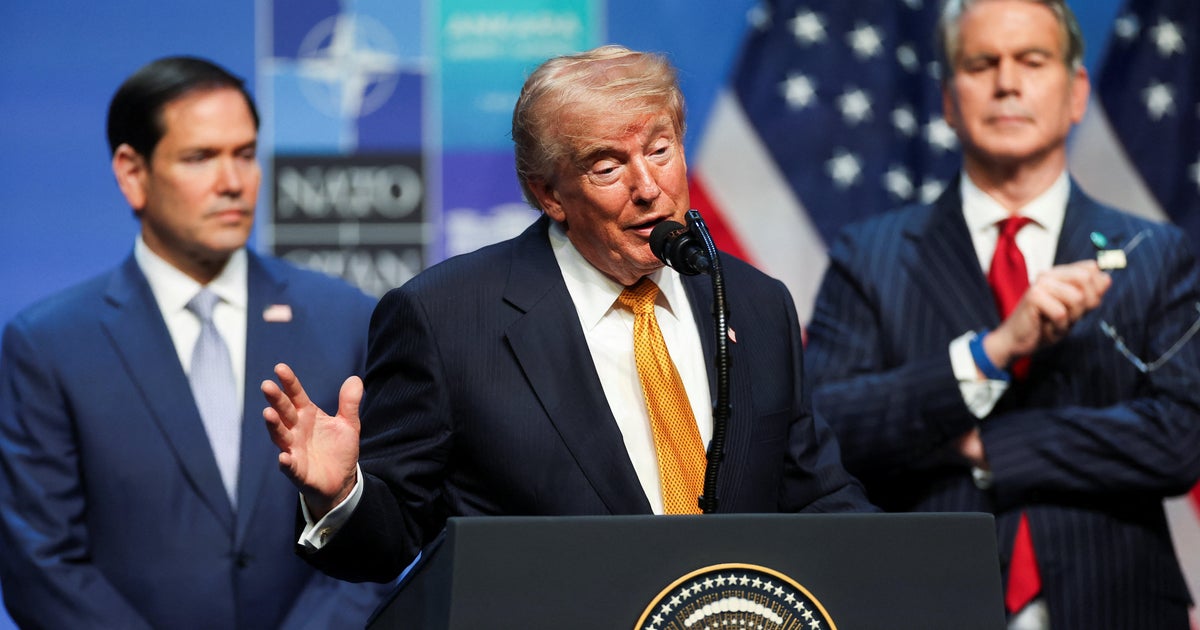
Before leaving for Pakistan, Vance told reporters at Joint Base Andrews: "We're looking forward to the negotiation. I think it's going to be positive." The statement stood in sharp contrast to posts President Trump made on Truth Social shortly before Vance's plane departed, warning Iran not to attempt to charge "tolls" for passage through the Strait. Trump referred to the waterway in an earlier post as the "Gulf of America" and stated that any attempt by Iran to control maritime access would be treated as an act of war.
The Iranian delegation arrived in Islamabad naming itself "Minab 168" — a reference to 168 students killed in US airstrikes on an Iranian university — a signal of the rhetorical frame Iran intends to bring to the table. Araghchi said before departure that Iran entered the negotiations with "complete distrust" of the United States. Ghalibaf stated that any deal would require Washington to "accept Iran's rights" — language analysts interpret as a reference to Iran's insistence on retaining nuclear enrichment capability and some form of continued influence over the Strait's access protocols.
The current ceasefire is set to expire on April 21, leaving negotiators 10 days to produce a framework both governments can accept. The Lebanon front adds urgency: Lebanese government sources say at least 2,000 civilians have been killed since fighting expanded in early March. Two additional US guided-missile destroyers were reloaded with weapons at an allied regional port last week — a signal, officials say, that the military option remains operational if talks fail.
The Hormuz crossing, whatever the true facts, represents a significant test of how both sides interpret the ceasefire's terms. The US position is that the ceasefire agreement included provisions requiring Iran to allow free navigation through the Strait. Iran disputes this characterization. How that gap is resolved — or not — in Islamabad over the coming days will determine whether the April 21 deadline passes with a framework for peace or a return to hostilities.