NATO Allies Quietly Plan for an Alliance Where the U.S. No Longer Leads
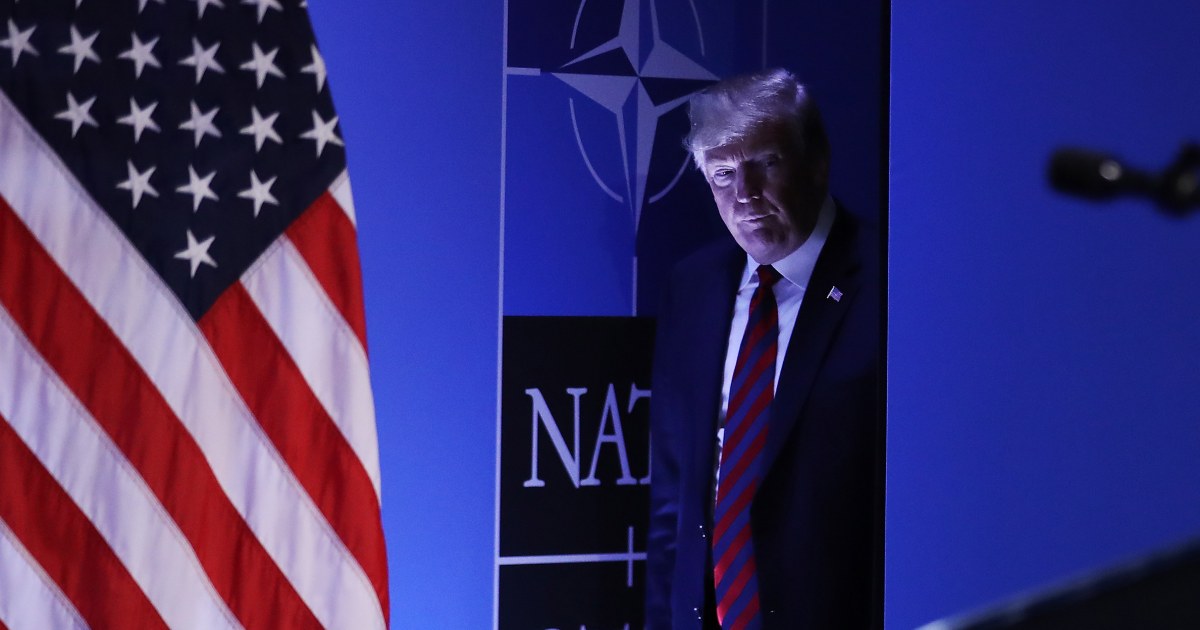
Trump's decision to launch the Iran war without consulting NATO — followed by his 'naughty and nice' list punishing Spain and the U.K. — is driving Brussels and Berlin toward independent defense planning, including a revived Franco-German nuclear umbrella.

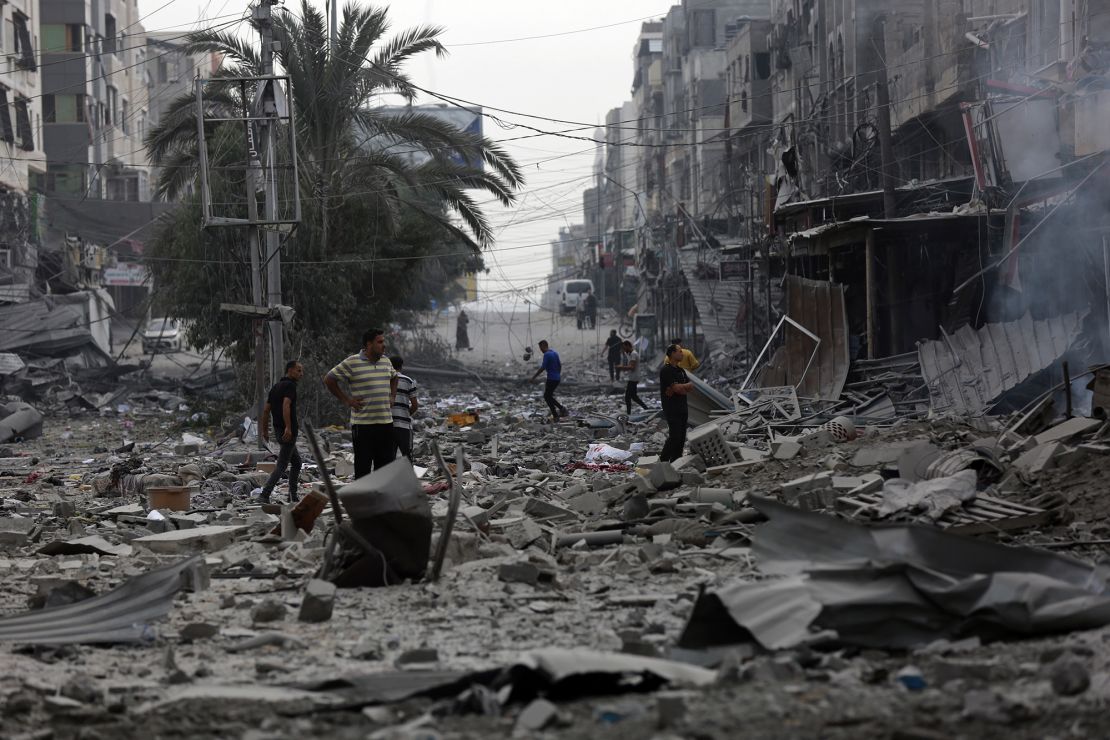
Seventy days into the Iran war, senior officials across NATO are openly contemplating an alliance in which the United States is no longer the unquestioned leader, a fundamental shift driven by President Trump's decision to launch his initial March strikes on Iranian nuclear and missile sites without consulting allies and his subsequent demands that European partners help reopen the Strait of Hormuz despite having been kept in the dark. "Something fundamental has broken," former U.S. Ambassador to NATO Julianne Smith said this week. "For the first time since 1949, allies are seriously asking what NATO looks like if the Americans are not at the head of the table."
The immediate flashpoint is what Trump aides have privately dubbed the "naughty and nice" list — a memo, first reported by The Christian Science Monitor and confirmed by two senior administration officials, classifying NATO members by their willingness to support the Iran campaign. Spain, which refused to allow U.S. military aircraft to use its airspace, sits at the top of the "naughty" column. Administration hardliners have floated suspending Spain's Article 5 protections, a move legal scholars say has no precedent and no clear treaty mechanism. The same memo reportedly proposes returning the Falkland Islands to Argentina as leverage against the United Kingdom — a proposal Foreign Secretary David Lammy on Wednesday called "so unserious that we are not dignifying it with a formal response."
Not every ally has resisted. The United Kingdom has dispatched four Sandown-class minesweepers to the Persian Gulf and committed an additional Type 45 destroyer to convoy operations. France has redirected the Charles de Gaulle carrier group from the eastern Mediterranean to the Red Sea, and Italy is contributing two FREMM-class frigates to escort tanker traffic through Bab el-Mandeb. But Germany, the Netherlands, Belgium and Norway have all declined to commit forces beyond existing deployments, citing parliamentary opposition and concerns that direct involvement would breach EU sanctions law. Chancellor Friedrich Merz, in a Bundestag address Tuesday, told lawmakers Germany "will defend the alliance, but not every American war."
The rift extends to the Indo-Pacific. Trump in late April publicly blasted Japan, South Korea and Australia — none of them NATO members but all key U.S. defense partners — for refusing to contribute forces to the Iran campaign. Tokyo's reaction has been sharper than expected: Prime Minister Sanae Takaichi convened an emergency cabinet meeting last week to authorize accelerated production of long-range Type 12 cruise missiles and to reopen discussions with Australia and the United Kingdom over a possible AUKUS-style trilateral agreement that would not require U.S. participation. Beijing, watching closely, has begun briefing its own diplomats on what Foreign Ministry cables describe as a "window of strategic opportunity" created by U.S. distraction in the Gulf.
The long-term consequences of the rupture are now driving real defense planning. The European Commission is fast-tracking the European Defence Industrial Strategy, with a revised €150 billion budget envelope expected before the June European Council. France and Germany have quietly resumed long-stalled talks on extending France's nuclear umbrella to non-nuclear EU states. And NATO Secretary General Mark Rutte, in a closed-door briefing to ambassadors at headquarters in Brussels Wednesday, warned that the Washington summit scheduled for October could be "the most consequential gathering of the alliance since the end of the Cold War," with allies pushing for binding language that no member can launch out-of-area combat operations without prior consultation — a clause that, if adopted, would functionally constrain any future American president, not just Donald Trump.