U.S. Gas Prices Soar to $4.23 Per Gallon as Iran War Disrupts Middle East Energy Supplies
Crude oil prices hit fresh highs since the conflict began, with energy supplies from the region remaining severely disrupted amid the extended military campaign.

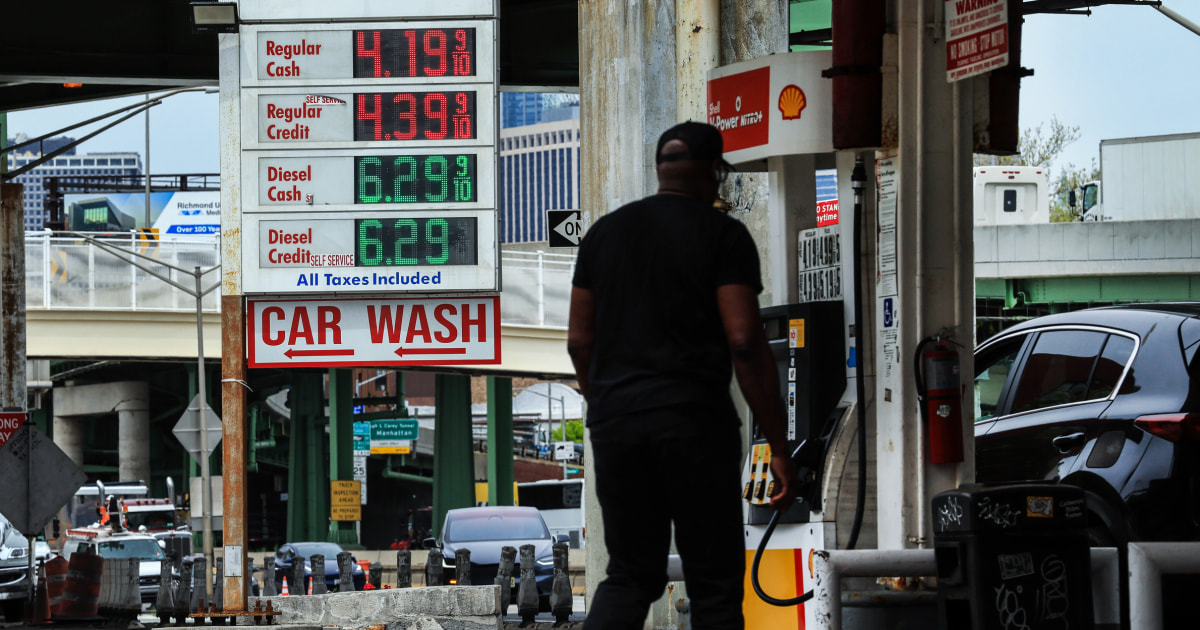
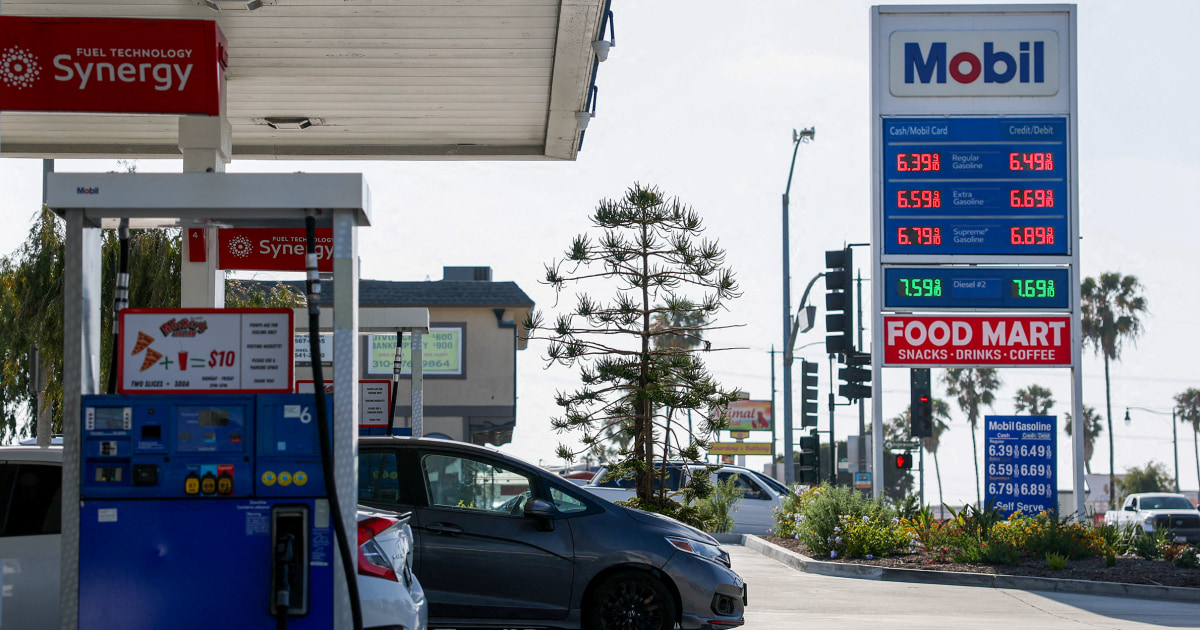
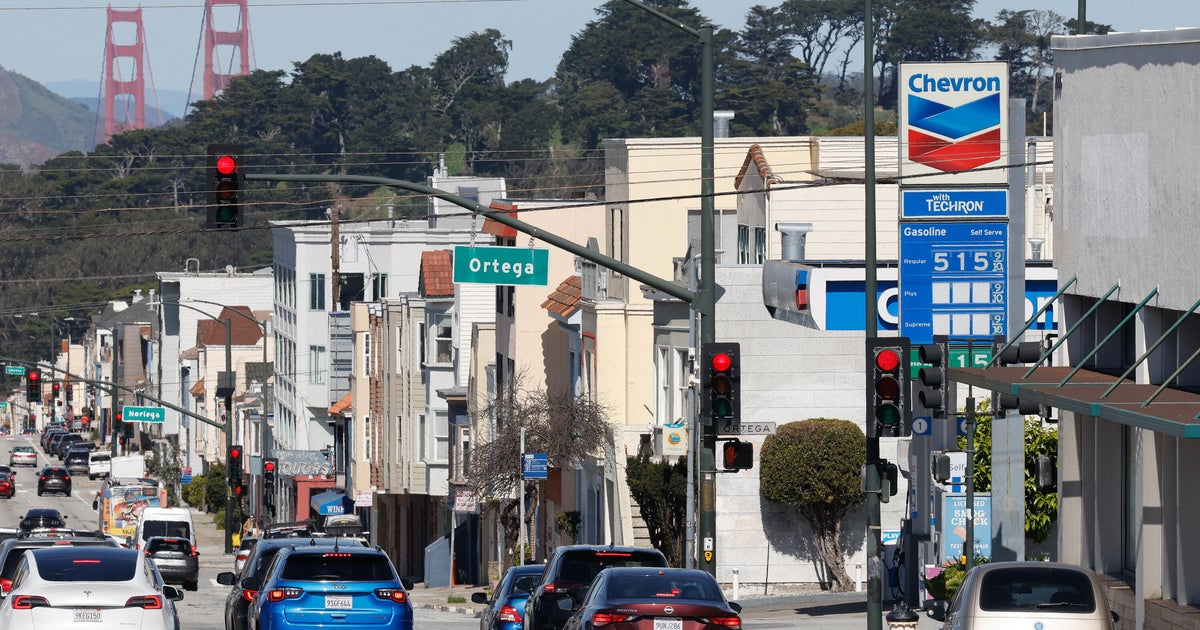
U.S. gasoline prices have climbed to $4.23 per gallon, marking a new high for the year as the ongoing war in Iran continues to disrupt energy markets and squeeze American consumers at the pump. According to data from the American Automobile Association (AAA), the latest surge reflects the mounting impact of sustained conflict in one of the world's most critical energy-producing regions. The price increase comes as crude oil futures have reached their highest levels since the military operations began, with traders expressing growing concern about the long-term stability of Middle Eastern energy supplies.
The extended nature of the Iran conflict has created persistent uncertainty in global energy markets, with supply chains from the Middle East facing continued disruption. Energy analysts note that the region's strategic importance to global oil production has amplified the economic reverberations of the military campaign, pushing crude prices higher and forcing refiners to seek alternative sources of supply. The ripple effects have been felt across the United States, where consumers are now paying significantly more to fill their vehicles compared to earlier periods when regional tensions were lower.
The timing of the price surge adds additional pressure to American households already grappling with economic uncertainties. Rising fuel costs typically translate into higher prices for goods and services across the economy, as transportation expenses affect everything from grocery delivery to manufacturing supply chains. Consumer advocacy groups have expressed concern about the broader economic impact, particularly on lower-income families who spend a larger portion of their budgets on essential transportation needs.
Industry experts suggest that the current price trajectory reflects more than just immediate supply concerns, pointing to longer-term market dynamics that could keep energy costs elevated for an extended period. The war's duration has exceeded many initial projections, creating a sustained period of market volatility that has made it difficult for energy companies to plan long-term supply strategies. This uncertainty has contributed to higher risk premiums in energy futures markets, which ultimately flow through to retail gasoline prices.
Looking ahead, energy market analysts warn that prices could remain elevated as long as the conflict continues to affect regional production and distribution networks. The situation has prompted renewed discussions about energy independence and the strategic petroleum reserve, with policymakers weighing various options to mitigate the impact on American consumers. Meanwhile, the extended war continues to reshape global energy relationships and highlight the interconnected nature of international conflicts and domestic economic conditions.