Iran War Sends Gas to $4, Groceries Higher as Economists Warn of Stagflation
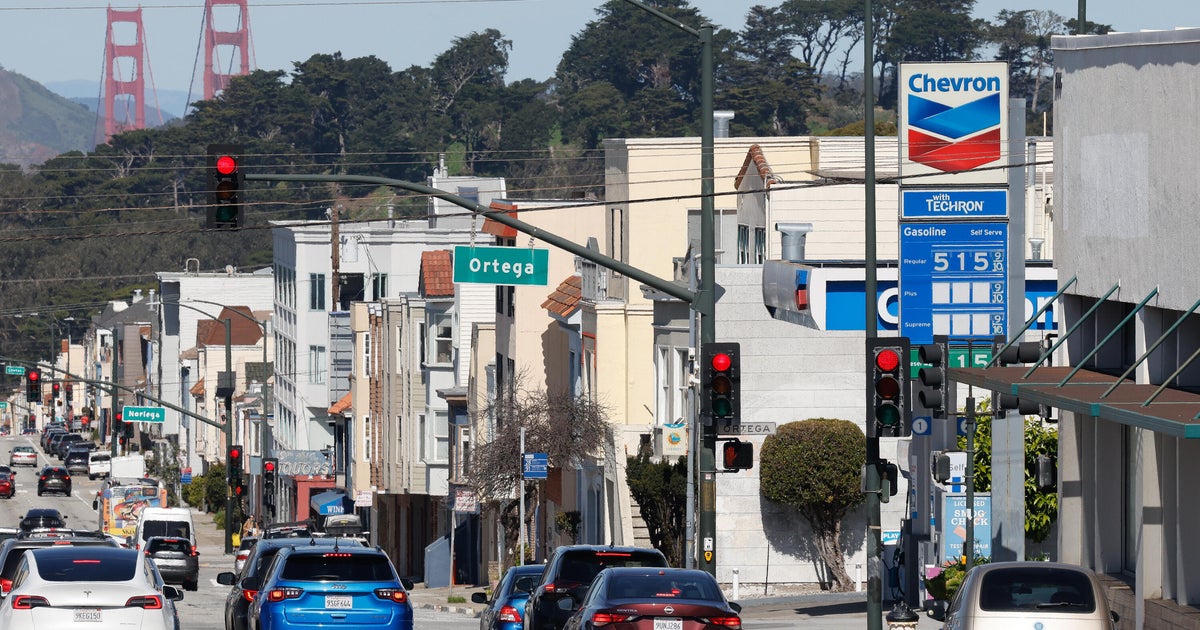
National gasoline prices hit $3.92 a gallon on Friday — up nearly a dollar since February 28 — as the Iran war's closure of the Strait of Hormuz triggers the largest oil supply disruption in history and raises fears of 1970s-style stagflation.

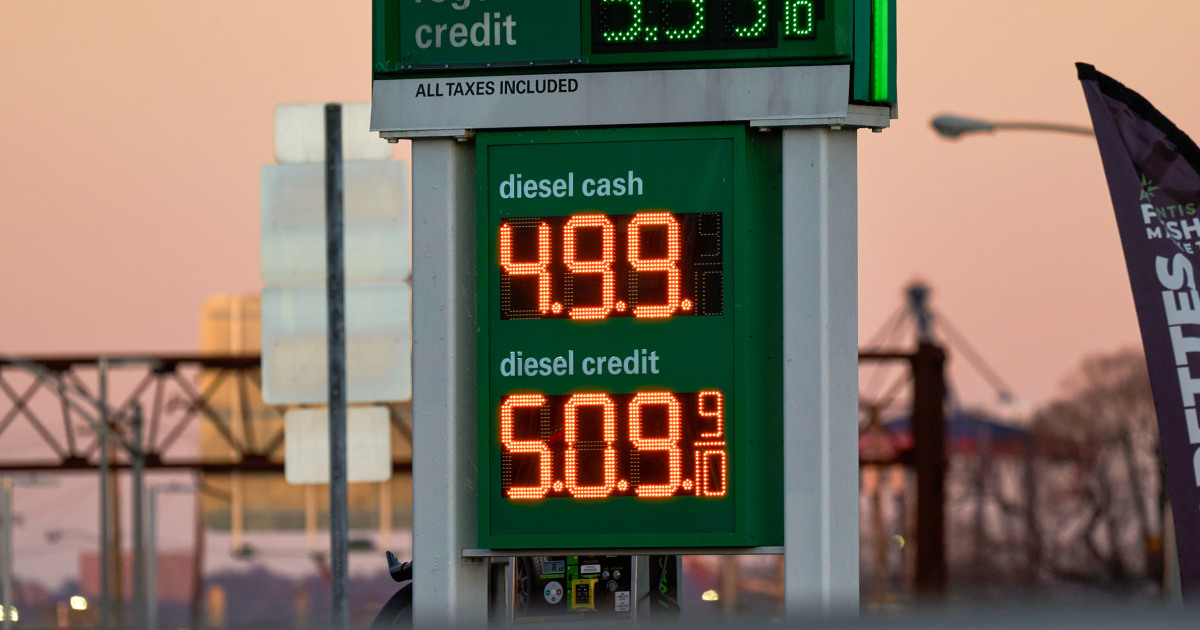
Three weeks into the U.S.-Israel war against Iran, the economic pain is no longer abstract — it is showing up in gas stations, grocery stores, and mortgage statements across the United States. National gasoline prices climbed to $3.92 per gallon on Friday, up nearly a dollar from the $2.97 average recorded just before the first American strikes hit Tehran on February 28, according to AAA. Diesel, the lifeblood of the freight system that moves nearly everything Americans buy, is approaching $5 per gallon, adding pressure to every link in the consumer supply chain.
The International Energy Agency has called the disruption to global oil markets the largest in the history of the modern energy trading system. Iran's closure of the Strait of Hormuz — a narrow waterway that normally carries about 20 percent of the world's oil and liquefied natural gas — has sent Brent crude to $108 per barrel, a surge of more than 40 percent since the conflict began. While the benchmark eased slightly Friday after President Trump suggested he was considering "winding down" military operations, energy analysts cautioned that ceasefire talk has repeatedly stalled and that any sustained recovery in prices could take months.
"We're starting to see the second-order effects now," said Diane Swonk, chief economist at KPMG. "Higher energy prices act like a regressive tax. They hit lower-income households the hardest, because those families spend a much larger share of their income on fuel." Swonk projected that inflation would rise sharply in March and April, driven overwhelmingly by energy and transportation costs, before moderating only if the conflict wound down significantly.
The trucking industry has already moved to pass costs on to consumers. Several of the largest freight carriers began adding a 5 percent fuel surcharge to contracts in mid-March — increases that economists say will ripple through retail prices within weeks. Low-margin retailers like Dollar Tree and TJ Maxx have been identified by analysts as particularly exposed, because their business models depend on keeping prices flat even as input costs rise. Online retailers are also warning customers to expect higher minimum-order thresholds for free shipping.
The Federal Reserve, meeting this week, kept benchmark interest rates unchanged but issued an unusually cautious statement. Chair Jerome Powell acknowledged that the U.S. economy entered the conflict from a position of strength — unemployment claims fell to 205,000 last week, near historically low levels — but he said the central bank was monitoring the situation "extremely closely." Bond markets are already pricing in a higher probability of rate increases later in the year if energy-driven inflation proves persistent.
Energy economists say that Americans in car-dependent regions face the sharpest immediate burden. States like Texas, Oklahoma, and Wyoming, where driving distances are long and public transit is scarce, have seen pump prices spike well above the national average. California has crossed $5 per gallon in the Los Angeles and San Francisco markets. Some rural grocery stores in the Midwest have begun rationing propane, which is used for home heating and cooking in areas without natural gas pipelines.
The broader economic picture is clouded by stagflation risk — the dreaded combination of rising prices and slowing growth that last gripped the United States during the 1970s oil embargoes. Economists at Oxford Economics said Friday that their base scenario now calls for annualized GDP growth of just 1.2 percent in the second quarter, down from 2.8 percent before the war began, while inflation is projected to spike above 5 percent. "If this drags on for another month, we are in genuine stagflation territory," said Bernard Yaros, a senior economist at the firm.
Investors are watching anxiously. The S&P 500 has fallen nearly 8 percent since the war began, with energy stocks providing the one major exception. Rystad Energy estimates that U.S. shale producers could collect an additional $63 billion in revenue at current price levels — a windfall that is already producing political tensions as critics ask why American consumers are suffering while oil companies profit. The White House has declined to comment on whether it will seek windfall profit taxes on energy companies.