Gas Prices Surge to $4.39 Per Gallon in Largest Single-Day Jump Since Iran Ceasefire
National average rises dramatically as energy markets react to geopolitical developments, marking biggest one-day increase since April 7 ceasefire announcement.
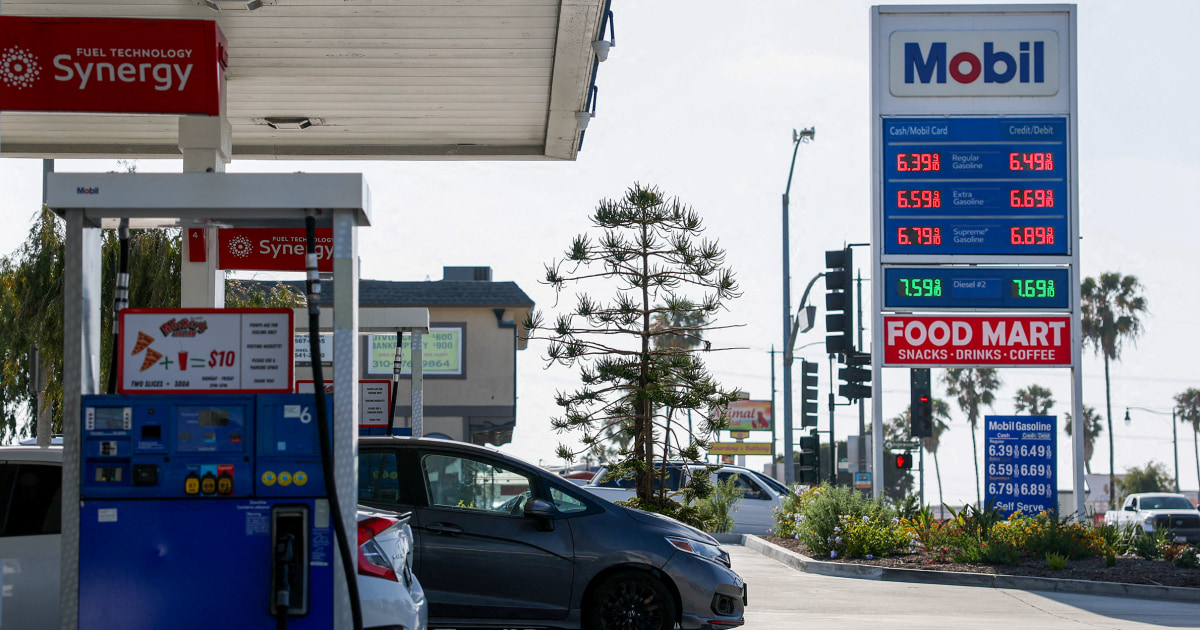
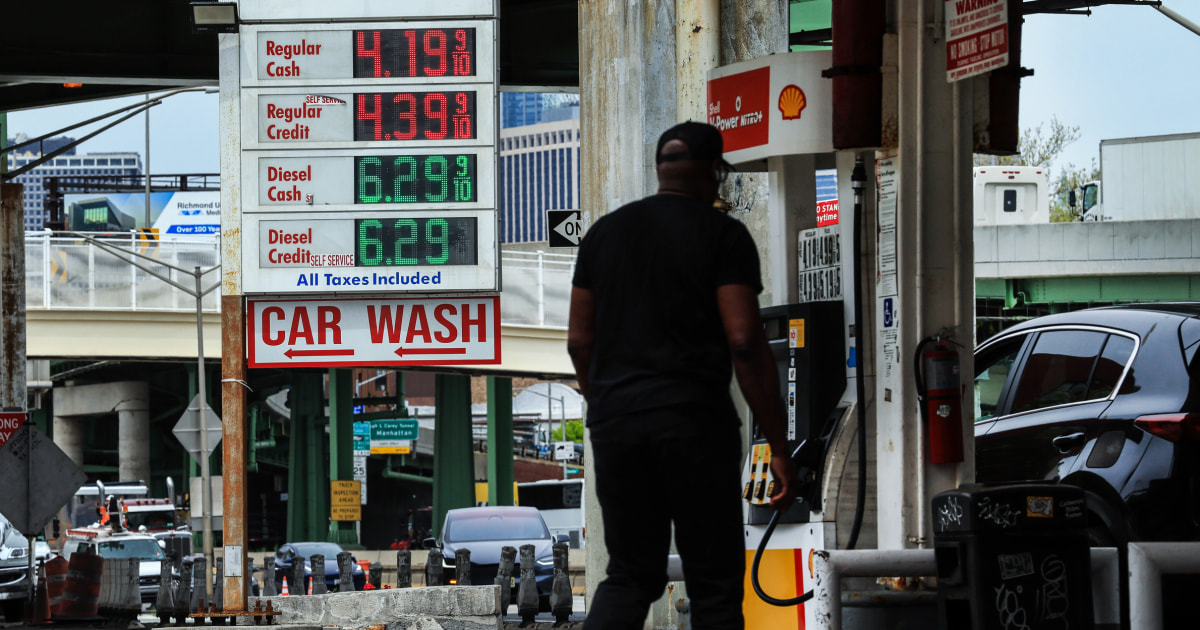
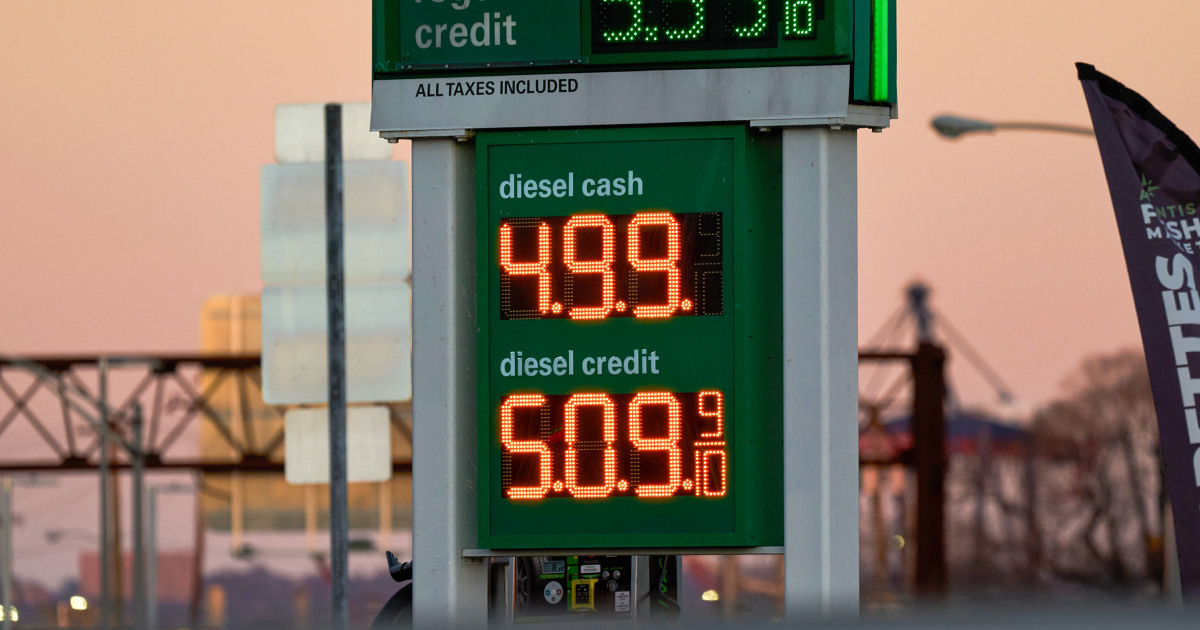
The national average price of gasoline surged to $4.39 per gallon in the largest single-day increase since the Iran ceasefire was announced on April 7, according to new data from energy market analysts. The dramatic jump reflects continued volatility in energy markets as geopolitical tensions persist despite ongoing peace negotiations between the United States and Iran. The price spike comes as many Americans had hoped for sustained relief at the pump following the temporary cessation of hostilities.
Energy market experts attribute the sudden increase to a combination of factors including ongoing uncertainty about the durability of the ceasefire, concerns about global oil supply chains, and speculation about the resumption of Iranian oil exports. Despite the temporary halt in active conflict, the Strait of Hormuz remains largely closed to commercial shipping, constraining global oil flow and maintaining upward pressure on petroleum prices worldwide.
The sharp price increase particularly impacts American consumers who have faced elevated fuel costs throughout the Iran conflict period. Many families and businesses that had begun to adjust their budgets based on expectations of declining energy prices now face renewed financial pressure from transportation and heating costs. The volatility also complicates economic planning for industries heavily dependent on fuel, including trucking, airlines, and manufacturing sectors.
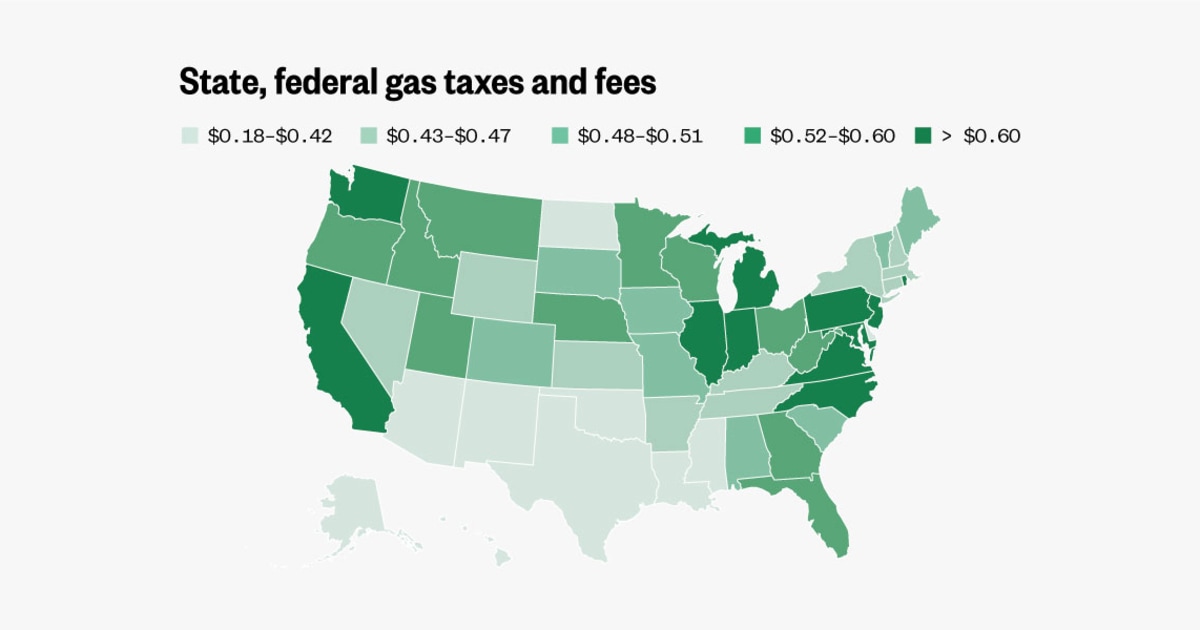
Regional variations in gas prices continue to reflect local market conditions and refinery capacity, with some areas experiencing even steeper increases than the national average. States with limited refinery infrastructure or greater dependence on imported oil have seen particularly sharp price spikes, while regions with domestic production capacity have experienced more moderate increases.
The renewed price surge underscores the fragility of energy markets during periods of international tension and the challenges facing policymakers attempting to provide economic stability for American consumers. As peace negotiations between the United States and Iran continue in Pakistan, energy analysts warn that fuel prices are likely to remain volatile until a comprehensive agreement is reached and normal oil market operations resume. The situation highlights the broader economic implications of geopolitical conflicts and their lasting impact on everyday Americans.