Oil Prices Drop on Iran Deal But Further Declines Remain Uncertain
Energy markets respond cautiously to U.S.-Iran framework agreement as analysts question whether significant price relief will materialize.

Energy prices tumbled and stocks jumped Monday following news that the United States and Iran had reached a framework deal to reopen the strategically critical Strait of Hormuz, though analysts warned that whether oil prices will fall much further "is highly questionable" given uncertainties surrounding the agreement's durability. The market reaction was notably moderate despite the potential for restored access to one of the world's most important oil transit routes.
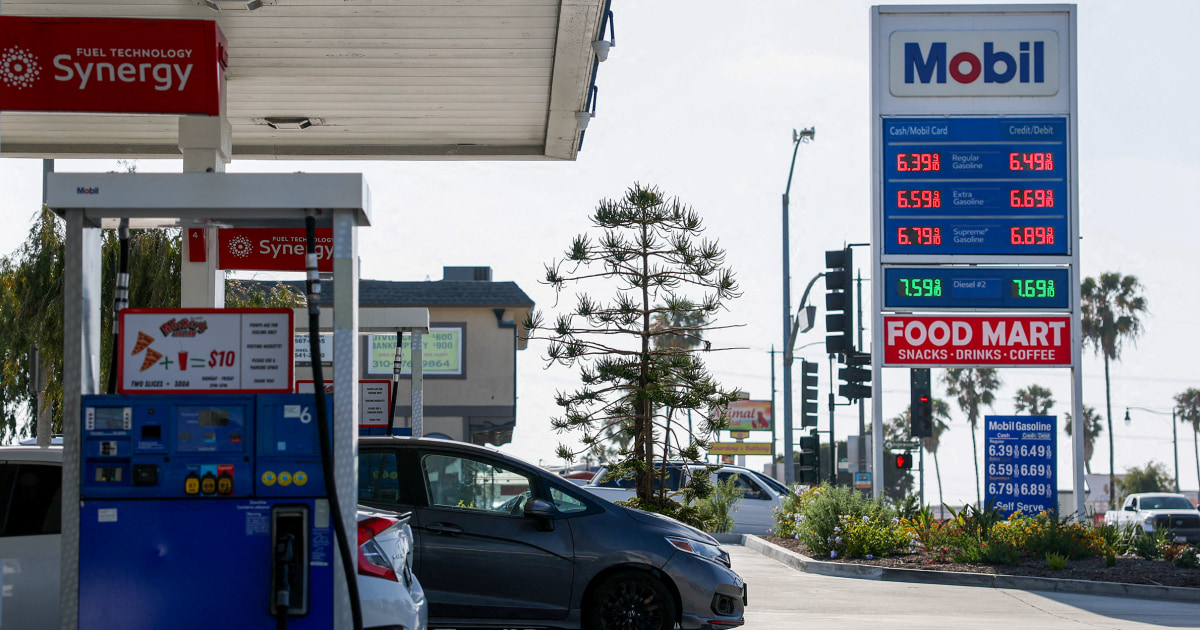
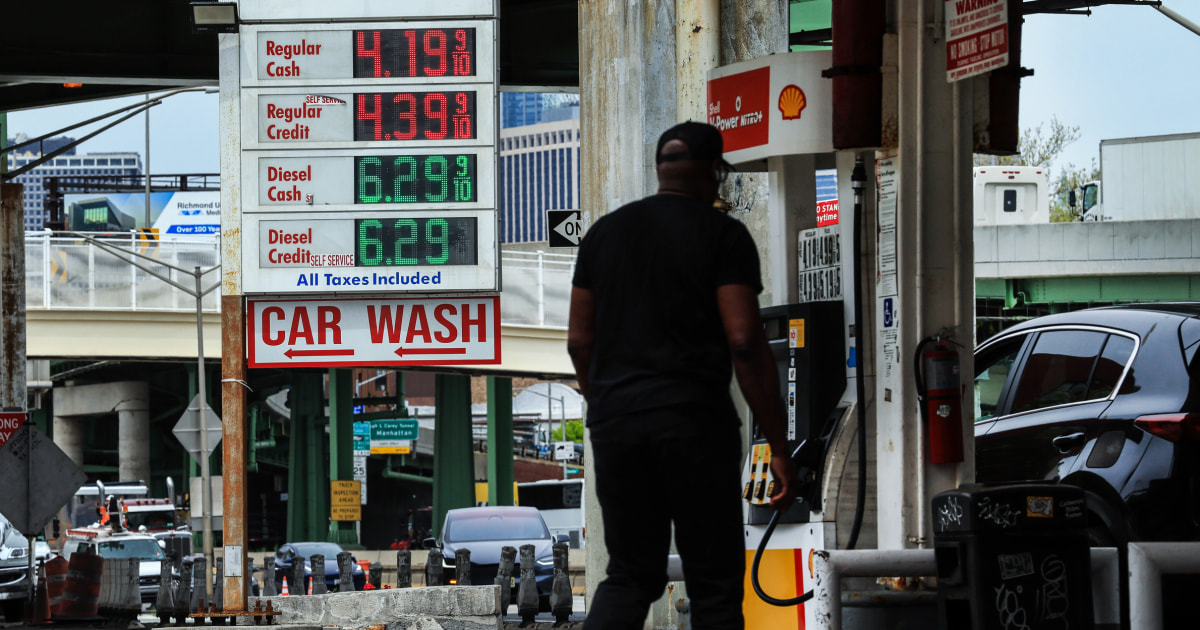
The Strait of Hormuz, which handles roughly 20% of global oil transit, has been a major chokepoint during the U.S.-Iran conflict that drove energy prices higher and contributed to inflation concerns across the American economy. The framework agreement promises to restore normal shipping traffic through the waterway, potentially relieving some of the supply constraints that have pushed national gas price averages toward $5 per gallon.
However, energy market analysts expressed caution about the long-term implications of the deal, noting that previous agreements between the United States and Iran have sometimes proven fragile. The pace of oil market recovery will largely depend on how confident energy companies and shipping firms become that the current framework will hold and potentially be extended through more comprehensive negotiations in the future.
The moderate market response reflects broader skepticism about whether the agreement addresses the fundamental issues that led to the conflict in the first place. With Iran's nuclear program remaining a subject for future negotiations rather than immediate resolution, traders appear concerned that renewed tensions could emerge if those talks fail to produce satisfactory outcomes for all parties involved.
President Trump has claimed the agreement would make the Strait of Hormuz "permanently toll-free," but market participants are taking a wait-and-see approach before making significant adjustments to their energy price forecasts. The framework represents a positive development for global energy markets, but the combination of geopolitical uncertainty and the deferred resolution of key issues means that sustained price relief may depend on factors that remain beyond the immediate agreement's scope.