Oil Prices Surge in Biggest One-Day Jump in Six Years as Iran War Intensifies
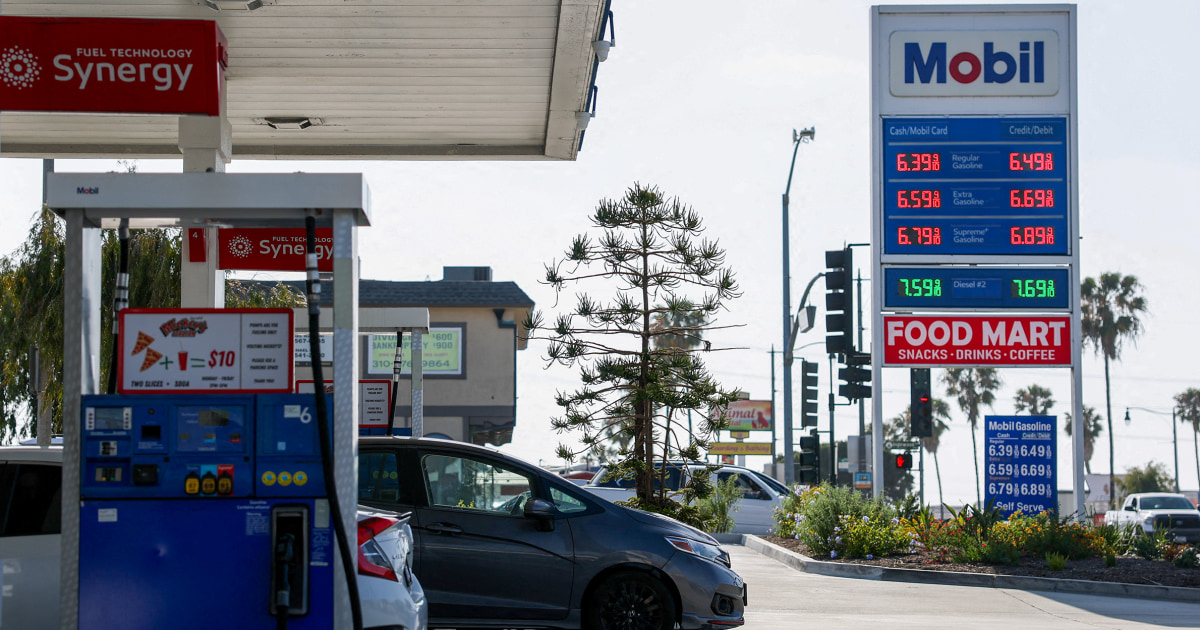
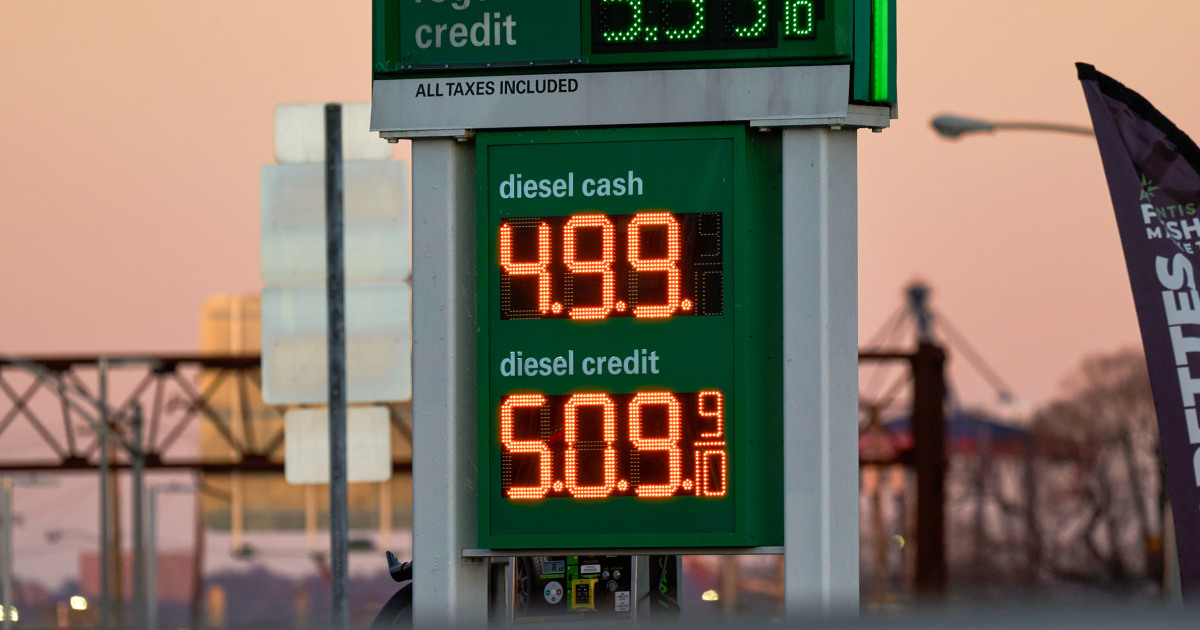
Energy markets react violently to escalating conflict, with gas prices hitting $4.08 nationally and diesel reaching $5.51 per gallon.

U.S. oil prices experienced their largest single-day increase in six years as the Iran conflict intensified, sending shockwaves through energy markets and driving gasoline costs to levels not seen since previous geopolitical crises. The dramatic price surge reflects growing concerns about supply disruptions in the strategically crucial Persian Gulf region, which handles a significant portion of global oil transit.
The average cost of gasoline nationwide has climbed to $4.08 per gallon for unleaded fuel, while diesel prices have reached $5.51 per gallon, creating immediate pressure on both consumers and businesses dependent on transportation. These increases represent a sharp acceleration in energy costs that began when military operations commenced but have intensified as the conflict shows no signs of quick resolution.
Stock markets responded with significant volatility to the energy price shock, with major indices swinging sharply as investors grappled with the implications of sustained higher oil costs. Energy sector stocks gained substantially, while transportation and logistics companies faced pressure from anticipated margin compression due to fuel cost increases.
The price surge has immediate implications for the Federal Reserve's monetary policy considerations, as energy costs are a major component of inflation calculations. Higher fuel prices typically feed through to broader price increases across the economy, particularly affecting food and transportation-dependent sectors that must pass increased costs to consumers.
Energy analysts warn that the current price trajectory could persist if the Iran conflict continues without resolution, potentially creating sustained inflationary pressure that could affect economic growth. The situation has also renewed focus on strategic petroleum reserve policies and domestic energy production capabilities as policymakers seek to mitigate the impact of international supply disruptions on American consumers and businesses.