Gas Prices Surge to $4.23 Per Gallon as Iran War Disrupts Energy Markets
Fuel costs hit new 2026 high as ongoing Middle East conflict continues to threaten global oil supplies.
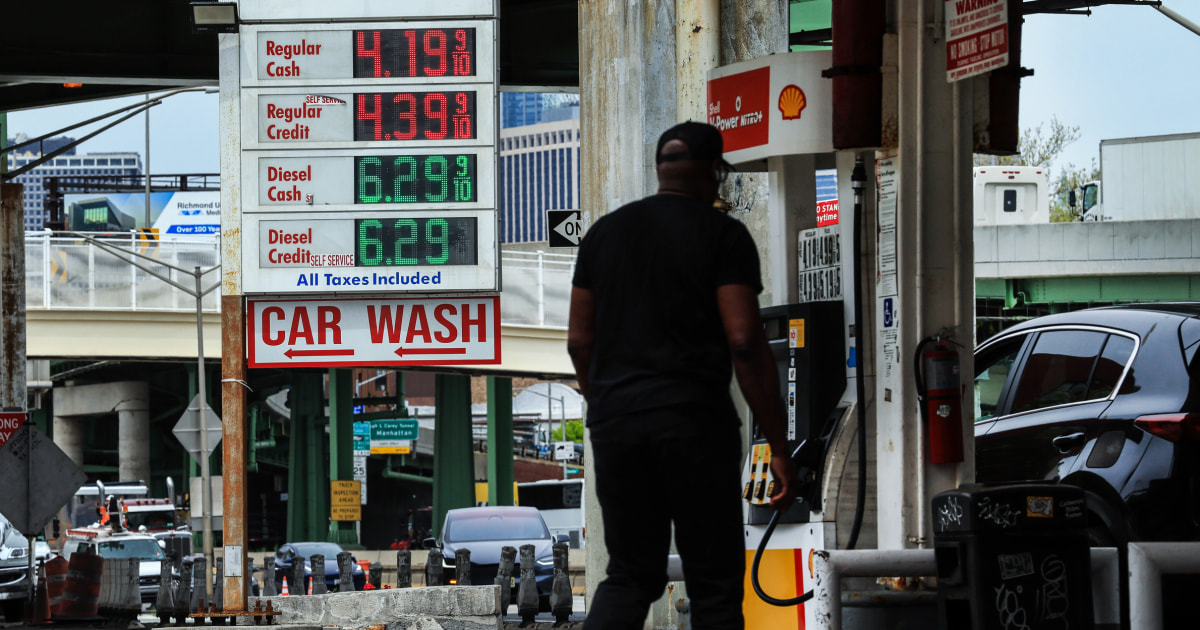
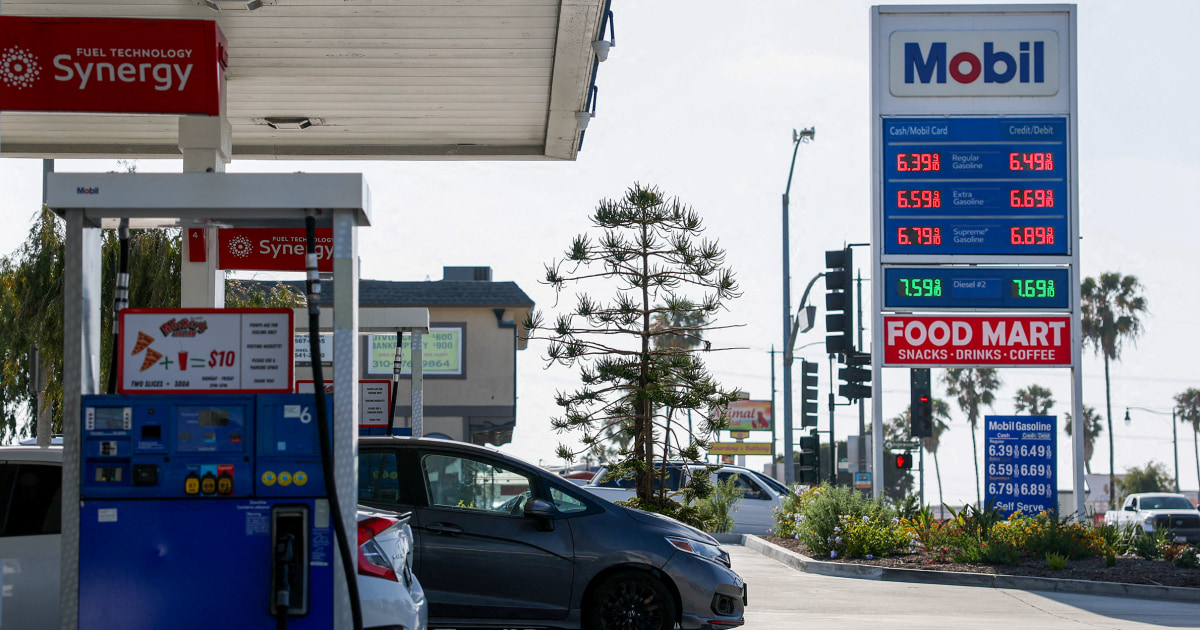
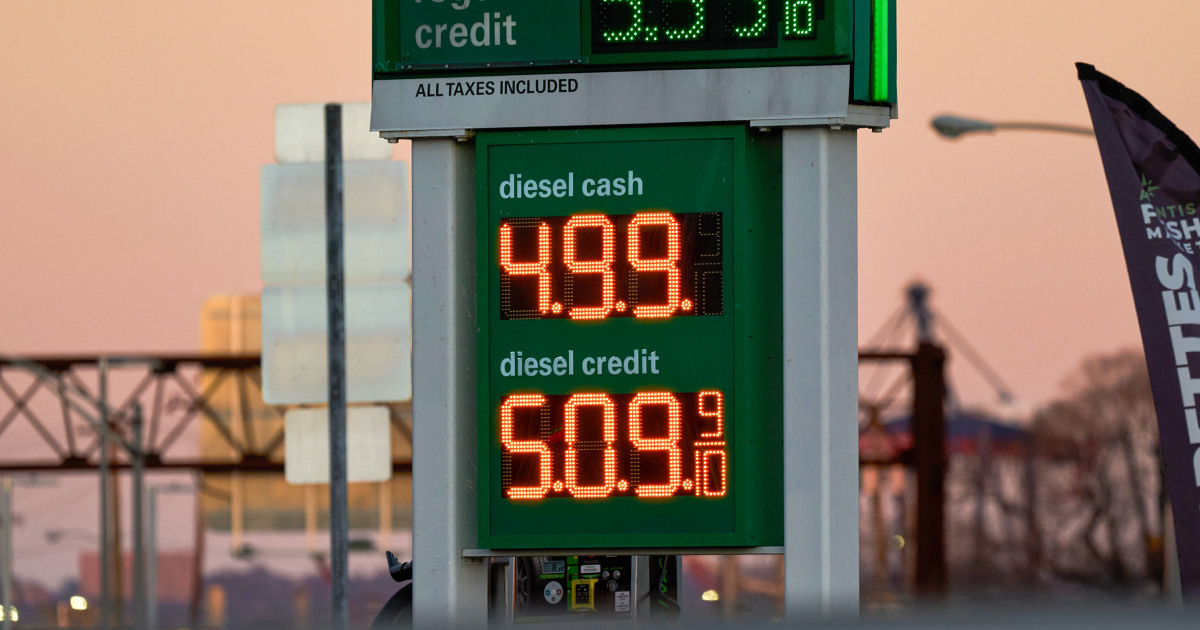
American drivers are facing the highest gasoline prices of 2026 as the ongoing war with Iran continues to disrupt global energy markets, with the national average reaching $4.23 per gallon according to AAA data released Wednesday. The price surge represents a significant increase from earlier in the year and marks a fresh record since the conflict began, highlighting how geopolitical tensions in the Middle East directly impact American consumers at the pump. The sustained price increases are putting additional pressure on household budgets already strained by broader inflation concerns linked to the protracted military engagement.
The Iran war has created substantial uncertainty in global oil markets, with traders pricing in risk premiums due to potential threats to critical shipping lanes and energy infrastructure throughout the Persian Gulf region. Iran's strategic position along the Strait of Hormuz, through which approximately 20% of global oil shipments pass, has made energy markets particularly sensitive to any escalation in the conflict. The sustained nature of the military engagement has prevented the typical market stabilization that might occur after initial shock reactions to geopolitical events.
Energy analysts warn that prices could continue climbing if the conflict expands or if Iran follows through on threats to target regional oil production facilities or shipping routes. The current price level of $4.23 per gallon represents a significant burden for American consumers, particularly affecting lower-income households that spend a larger proportion of their income on transportation costs. The Federal Reserve has identified energy price volatility as a key factor complicating its monetary policy decisions as officials attempt to balance inflation concerns with economic growth objectives.
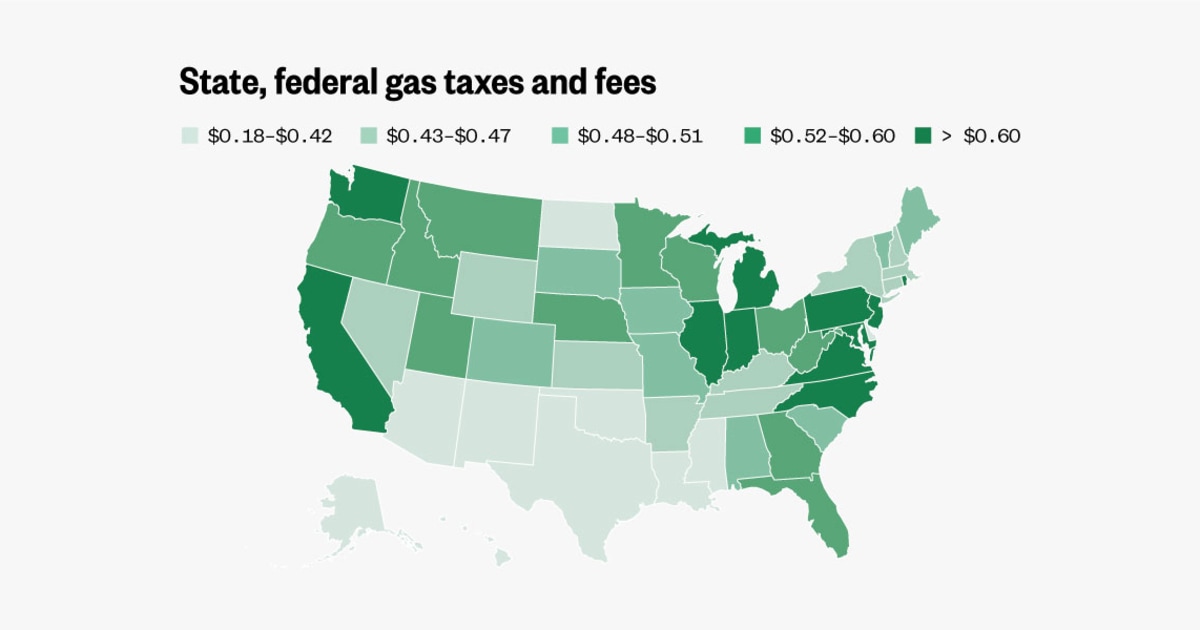
The sustained high prices are beginning to impact consumer behavior, with some Americans reducing discretionary travel and seeking alternative transportation options where available. Regional variations in pricing reflect different supply dynamics and local market conditions, with some areas experiencing even higher costs due to refinery capacity constraints or distribution challenges. The tourism and transportation industries are particularly vulnerable to continued price increases, as higher fuel costs directly impact operating expenses and consumer demand for travel-related services.
Beyond immediate consumer impacts, the elevated gas prices are contributing to broader inflationary pressures throughout the economy as transportation costs affect the price of goods and services across multiple sectors. The situation has become a significant political issue, with both parties pointing to the gas price increases as evidence of policy failures and economic mismanagement. Until the Iran conflict shows clear signs of resolution or alternative supply sources can adequately compensate for market disruptions, American consumers are likely to continue facing elevated fuel costs that strain household budgets and contribute to broader economic uncertainty.