Gas Prices Head Toward $5 as States Consider Suspending Fuel Taxes Amid Iran Crisis
At least one state has already suspended gas taxes while President Trump and Cabinet officials discuss federal relief as fuel costs surge during ongoing Middle East conflict.
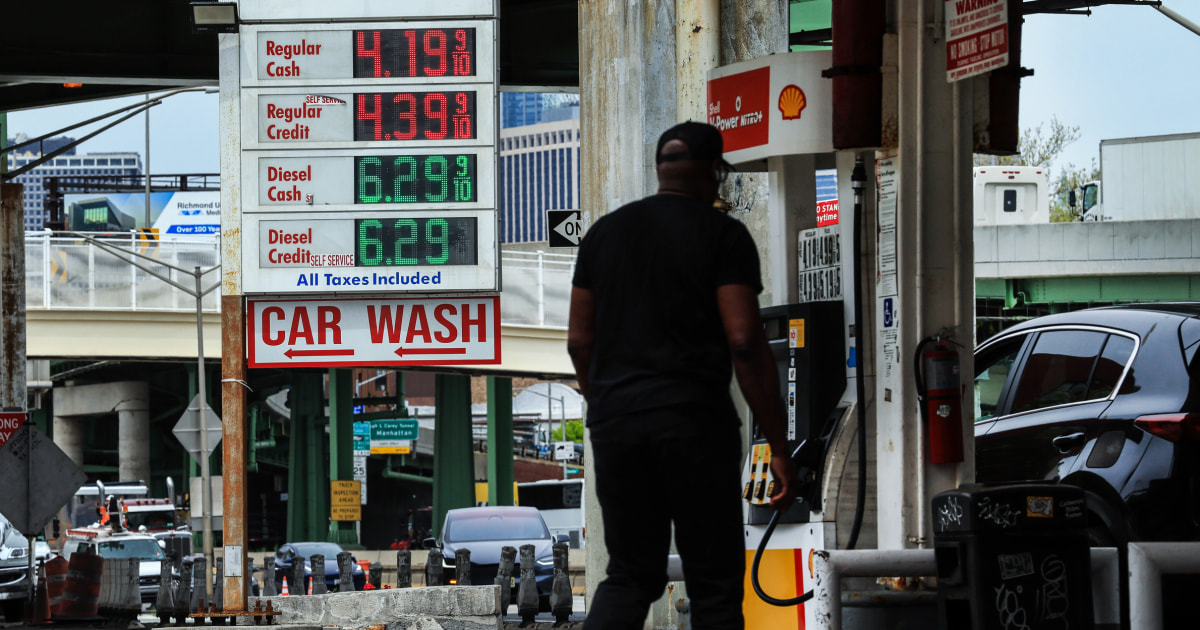
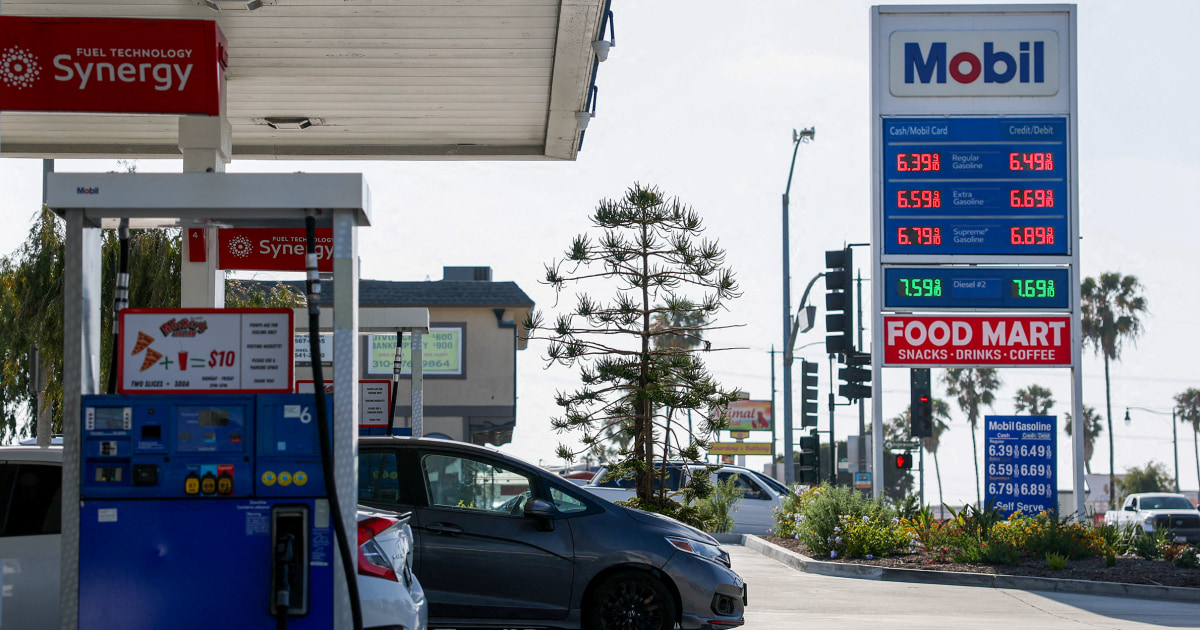
National gas price averages are rapidly approaching $5 per gallon as the ongoing Iran conflict continues to disrupt global energy markets, prompting state and federal officials to consider emergency tax relief measures for American consumers. At least one state has already suspended its gas tax in response to the crisis, while President Donald Trump and members of his Cabinet are actively discussing the possibility of temporarily suspending federal gas taxes to provide relief to struggling families and businesses. The escalating fuel costs represent one of the most immediate economic impacts of the Middle East conflict on American consumers.
The surge in gas prices reflects broader market concerns about potential disruptions to global oil supplies as military tensions between the United States and Iran intensify. Energy analysts report that speculation about supply chain disruptions has contributed significantly to price volatility, even as actual production levels remain relatively stable in most regions. The psychological impact of conflict on energy markets often drives prices higher regardless of immediate supply constraints, creating additional economic pressure on consumers already dealing with elevated inflation rates.
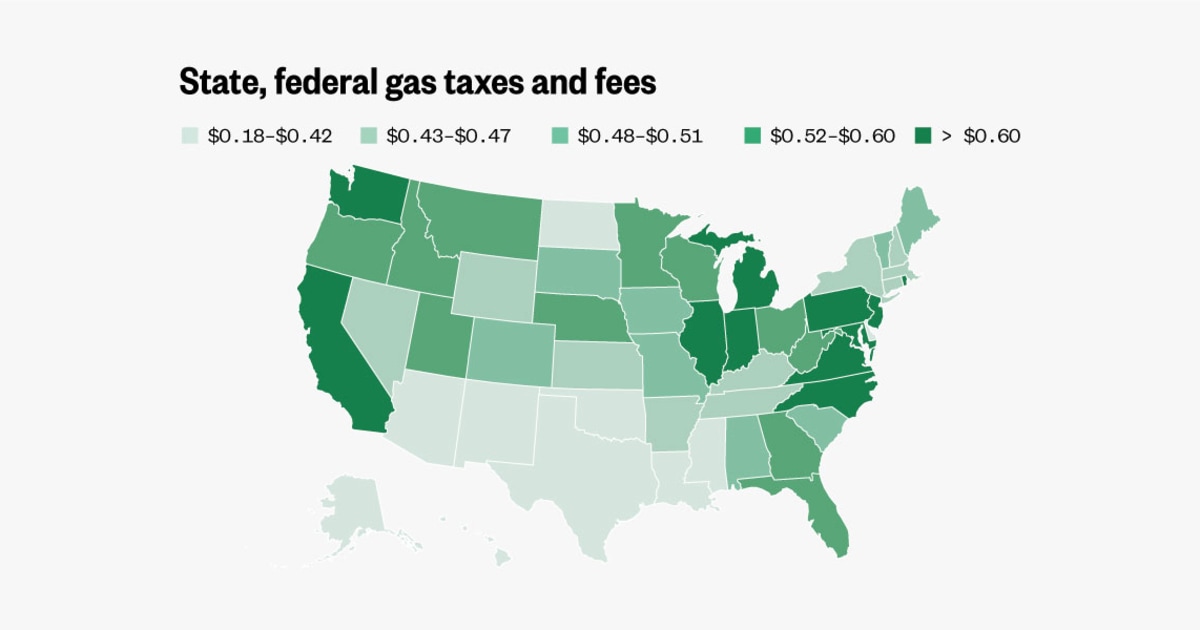
Geographic variations in gas price increases have created uneven impacts across different regions of the country, according to NBC News analysis of AAA price data. Some areas have experienced more dramatic price spikes than others, reflecting differences in regional supply chains, transportation costs, and local tax structures. The disparate impacts have prompted individual states to consider their own relief measures rather than waiting for federal action, leading to a patchwork of policy responses across different jurisdictions.
The consideration of gas tax suspensions represents a significant policy response to what officials hope will be temporary price pressures related to the Iran conflict. Federal gas taxes contribute approximately 18.4 cents per gallon to pump prices, while state taxes vary considerably across different jurisdictions. Suspending these taxes could provide immediate relief to consumers, though economists warn that such measures may also reduce government revenue needed for highway maintenance and infrastructure projects while potentially increasing demand for gasoline.
The broader economic implications of sustained higher gas prices extend beyond immediate consumer costs to affect transportation, shipping, and manufacturing sectors throughout the economy. Small businesses that rely heavily on transportation are particularly vulnerable to rapid fuel cost increases, while families with longer commutes face disproportionate impacts on their household budgets. As political pressure mounts for government intervention, policymakers must balance the desire to provide immediate consumer relief against longer-term fiscal and economic considerations, particularly if the Iran conflict continues to drive energy market volatility.