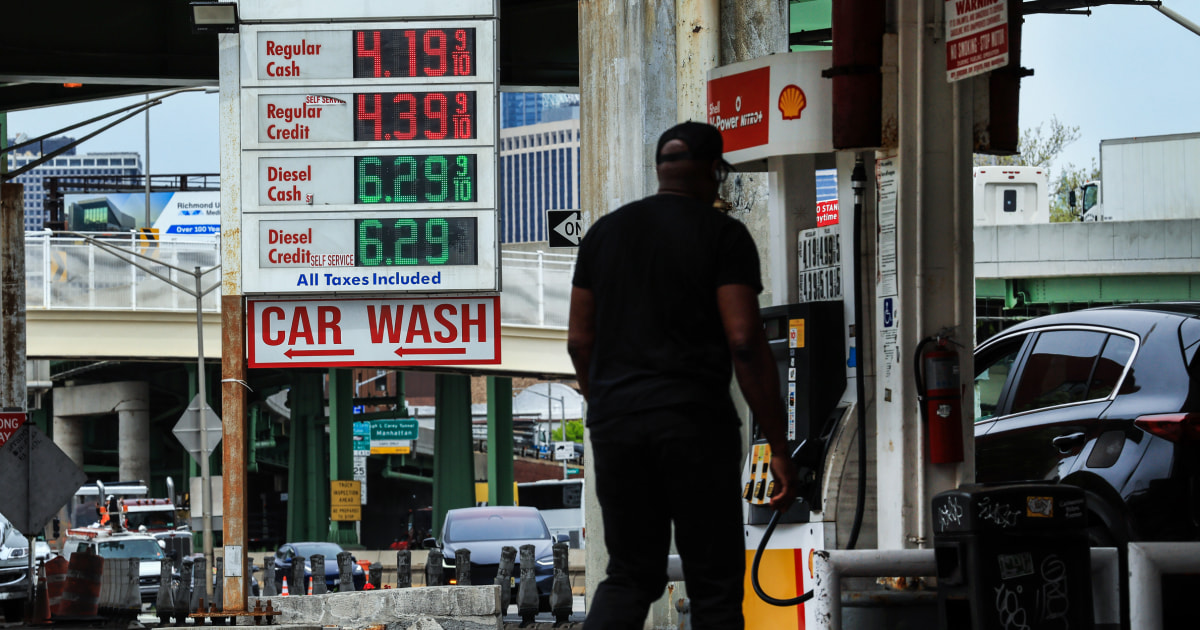
Oil Prices Start to Decline for Worrisome Economic Reasons
Energy market shifts may signal broader economic concerns rather than return to stability, analysts warn.
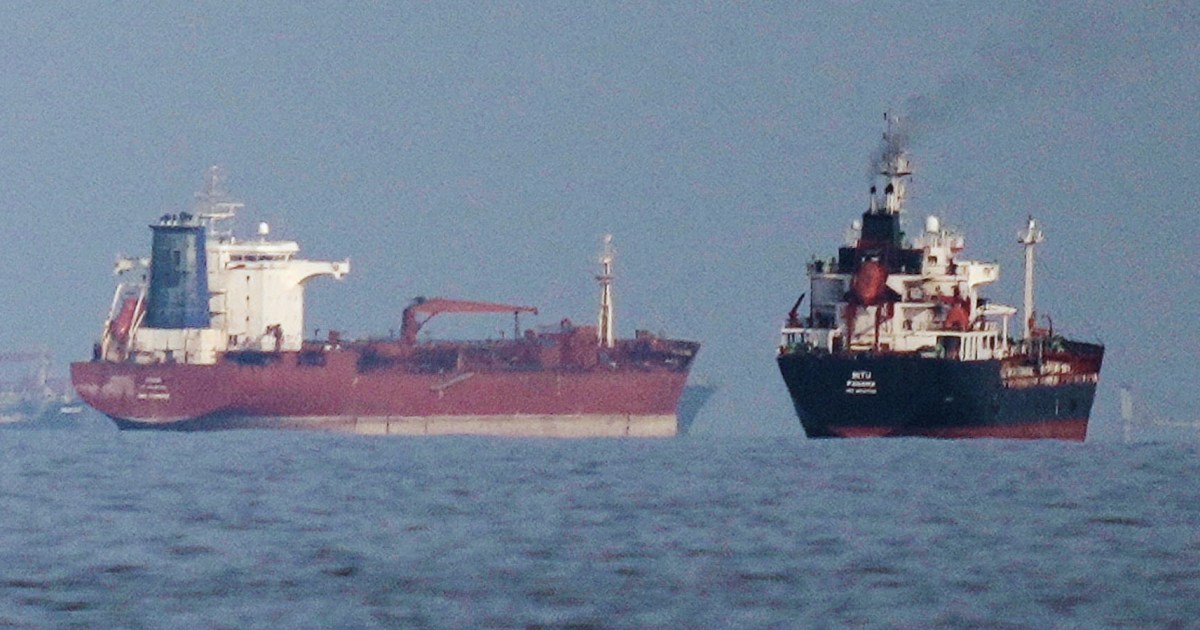
Oil prices have begun to slip from recent highs, but energy analysts warn that the decline may not represent a return to market normalcy as many had hoped. Instead, the price movement appears to reflect deeper economic concerns that could signal broader financial instability in global markets.
The recent oil price decline comes after weeks of elevated costs driven by the ongoing Iran conflict and disruptions to Middle Eastern shipping routes. While consumers might welcome lower prices at gas pumps, economists are expressing concern about the underlying factors driving the market movement.
Analysts point to several troubling indicators behind the price decline. Reduced industrial demand in key manufacturing regions suggests economic slowdowns that could spread globally. Additionally, strategic petroleum reserve releases and increased production from non-OPEC countries are helping to stabilize supplies, but these measures may mask underlying supply chain vulnerabilities.
The timing of the oil price decline coincides with other economic warning signs, including volatility in currency markets and concerns about inflation persistence. Energy markets often serve as early indicators of broader economic trends, making the current price movement particularly significant for forecasting future economic conditions.
Market observers are closely watching whether the oil price decline will accelerate or stabilize at current levels. A continued drop could provide relief for consumers and businesses dealing with high energy costs, but might also indicate serious economic headwinds that could affect employment, investment, and overall economic growth. The challenge for policymakers will be distinguishing between healthy market corrections and signals of deeper economic problems requiring intervention.