Bertha's Remnants Shut Down Interstate 40 in North Carolina as Flood Threat Creeps Across the Southeast
The storm came ashore near New Orleans, but its worst rainfall landed 800 miles inland — six inches in 12 hours around Greensboro and Winston-Salem.

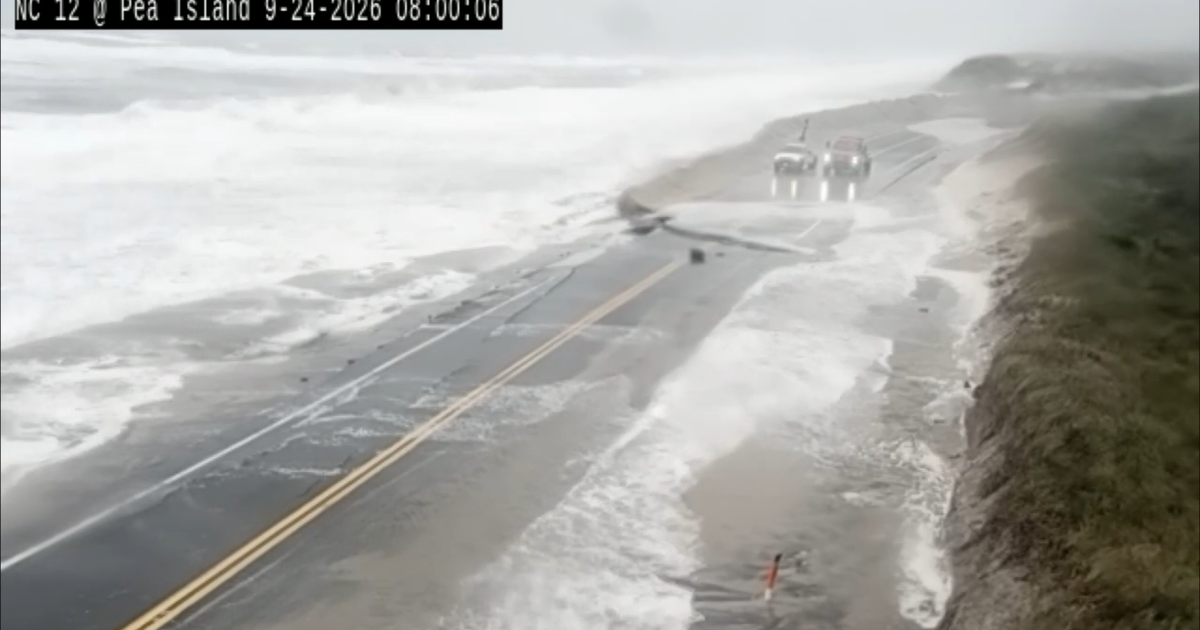
Tropical Storm Bertha has dissipated, but the plume of tropical moisture it dragged north is still soaking the Southeast, closing a stretch of Interstate 40 in North Carolina and keeping millions under a flash flood threat into the weekend.
Bertha made landfall near New Orleans on Wednesday and pushed toward the Texas coast, yet its heaviest impacts landed more than 800 miles from the center. The storm's moisture collided with a stalled cold front draped over southeast Virginia, the Carolinas and northern Georgia, wringing out rainfall rates that outran the ground's ability to absorb them.
Flash flood warnings went up Wednesday night around Greensboro and Winston-Salem, North Carolina, where storms dropped up to six inches of rain in 12 hours — close to what the region typically receives in the entire month of July. Areas north of Knoxville, Tennessee, picked up as much as five inches in a matter of hours. By Thursday morning, floodwaters had forced the temporary closure of a section of Interstate 40 northwest of Durham, according to the North Carolina Department of Transportation.
The threat then slid south and east. Forecasters placed southeast North Carolina and coastal and central South Carolina — including Wilmington and Charleston — under a Level 3 of 4 risk of flooding rainfall through Friday night. A Level 2 risk extended into Saturday across Atlanta, Birmingham, Alabama, and Greenville, South Carolina. Flash flood warnings were issued Friday for parts of the Birmingham and Atlanta metros, where one to two inches fell in the afternoon.
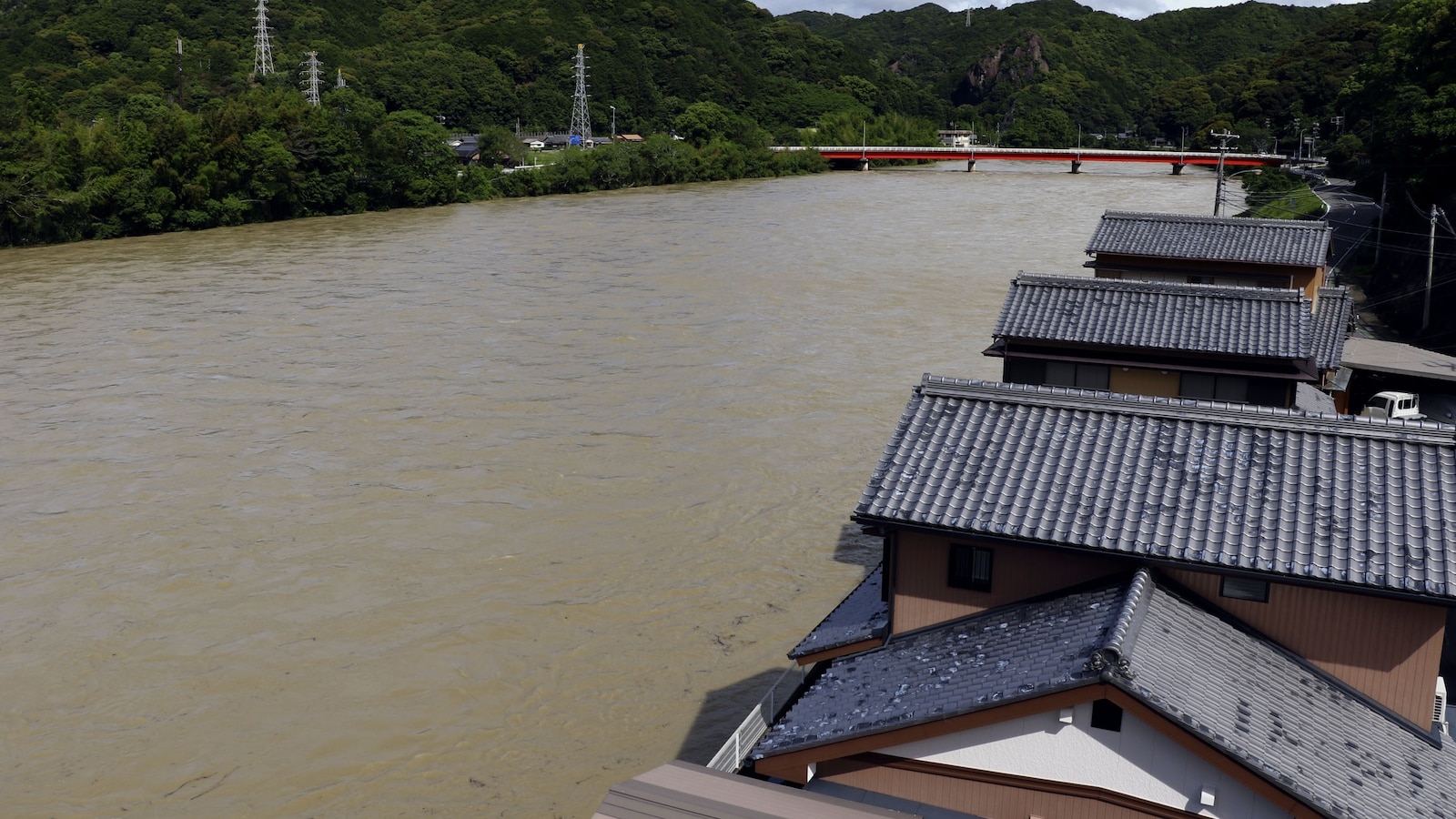
Drought is making the situation worse rather than better. Much of the Southeast is under severe to extreme drought, and hardened, sun-baked soil sheds water instead of soaking it up. That turns a heavy afternoon downpour into fast-moving runoff on roads, in low-lying neighborhoods and along small creeks that can rise within minutes.
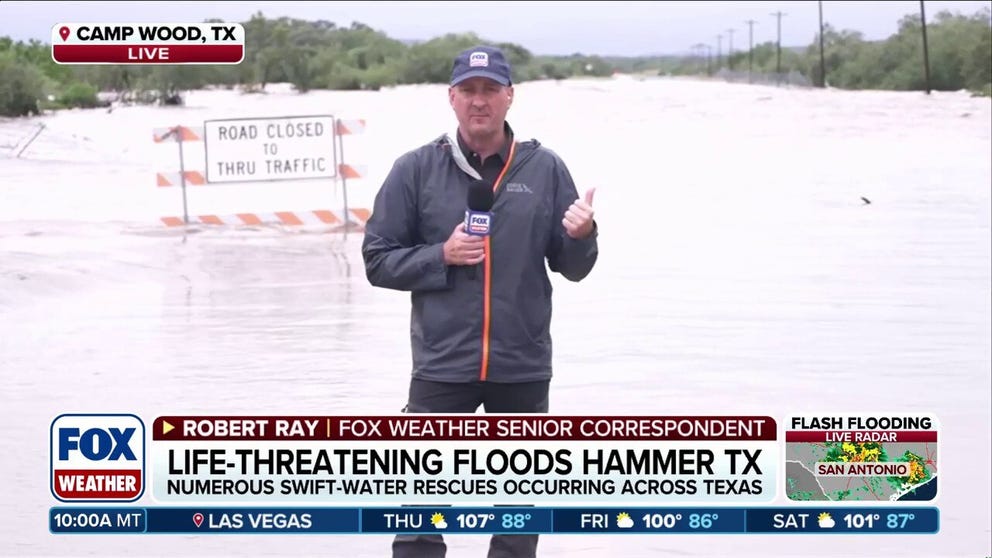
The setup fits a pattern that has defined this summer's weather across the United States: warmer air holding more water vapor, storms that stall rather than move on, and rainfall arriving in short, extreme bursts. Flash flood emergencies — the National Weather Service's most severe flood alert, reserved for situations posing a threat to life — have been issued at a near-record pace nationally this July.
Emergency officials repeated the standard warning that most flood deaths happen in vehicles, urging drivers not to attempt flooded roadways. Bertha was the second named storm of the Atlantic season.