Tropical Storm Jangmi Slams Japan, Triggering Tokyo's First-Ever Level 4 Alert and Mass Evacuation Warnings
The storm made landfall at typhoon strength in Wakayama before barreling into the Tokyo region, where authorities urged more than 1.6 million people to evacuate amid record rainfall, landslides and power outages.
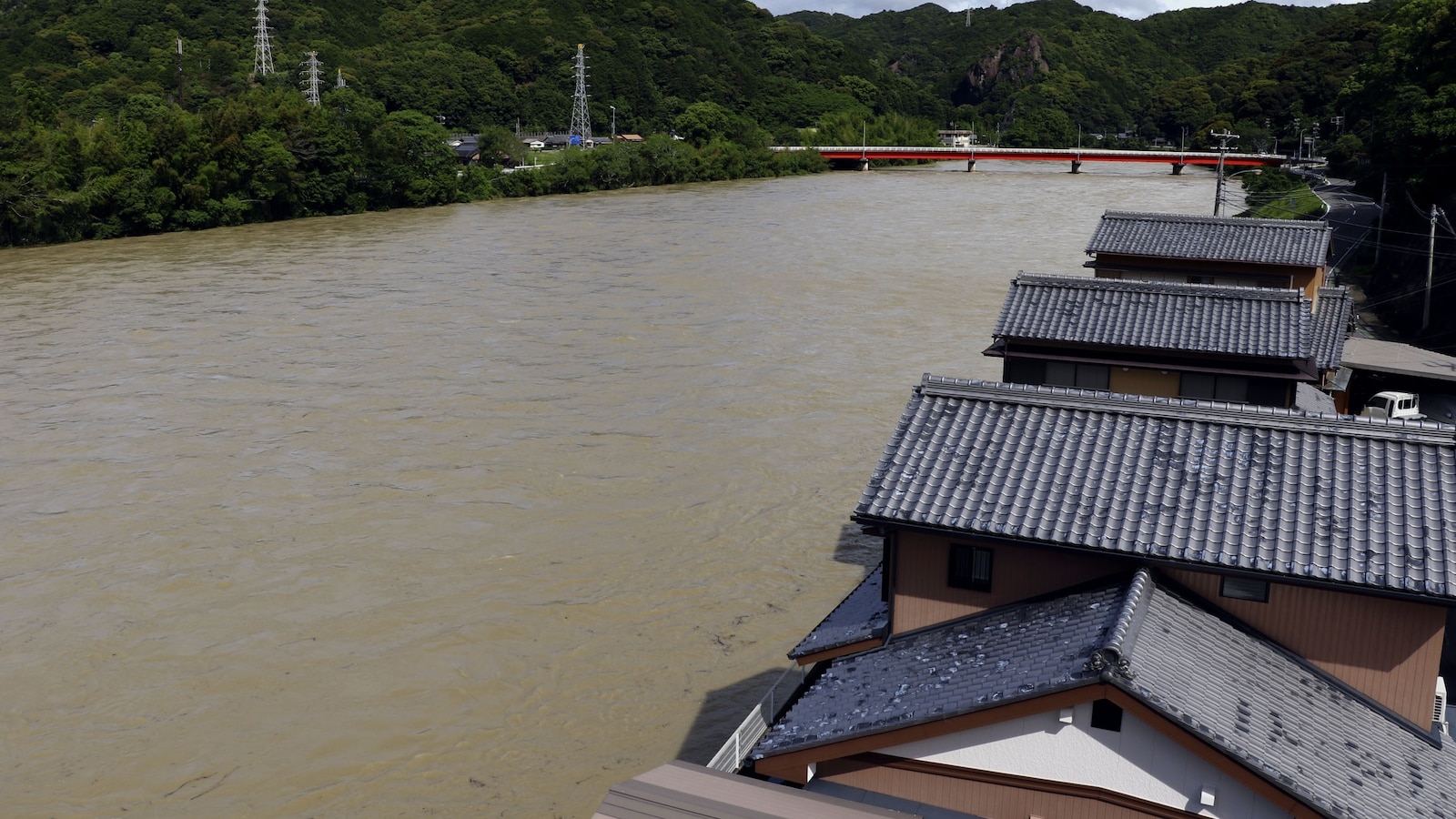
Tropical Storm Jangmi battered Japan on Wednesday, dumping record-breaking rain, triggering landslides and forcing transportation across the country to a halt as it pushed into the densely populated Tokyo region. The storm prompted the capital to issue its first-ever Level 4 danger alert under Japan's overhauled weather-warning system.
Jangmi made landfall in Wakayama prefecture at typhoon strength, packing winds of about 126 kph (78 mph) before moving inland and gradually weakening. Even as it lost intensity, the storm's slow march north drove torrential downpours into the Kanto region surrounding Tokyo. In the Owase area of central Japan, forecasters recorded roughly 50 centimeters — 20 inches — of rain in 24 hours, while parts of Mie prefecture logged a full month's worth of precipitation in a single day.
Authorities in Miyazaki City issued evacuation advisories covering the entire municipal population of about 390,000, and across the Tokyo metropolitan area more than 1.6 million residents were placed under evacuation warnings. Many chose to stay put despite the official orders. In downtown Tokyo, residents living near the swollen Zenpukuji River were advised to seek shelter as water levels climbed.
The Japan Meteorological Agency had been tracking Jangmi — the sixth named typhoon of the year — since it bore down on Okinawa earlier in the week with gusts forecast as high as 162 kph. More than 400 flights, mostly operated by All Nippon Airways, were cancelled around the southern islands before the system swung toward the main island of Honshu. By Wednesday, hundreds more flights were grounded and train services were suspended or delayed across the capital region.
At least 23 people were injured nationwide and 57 houses were damaged, officials said. Tokyo Electric Power Company reported that thousands of homes — by some counts more than 12,000 across the Kanto-Koshin region — lost electricity as the storm knocked down lines and flooded streets. Emergency crews scrambled to clear debris and rescue stranded residents in low-lying neighborhoods.
Although Jangmi was expected to move away from Japan later Wednesday, forecasters cautioned that the danger would not pass with the rain. Swollen rivers, saturated hillsides and unstable slopes can continue to give way for days after a storm, and the agency urged residents to remain on high alert. Japan endured 27 typhoons in 2025, above the long-term average of 25, and meteorologists have warned that warmer seas are fueling wetter, more erratic storms.