Four Startup Reactors Went Critical Before Trump's July 4 Deadline — the First Privately Funded Ones Since 1974
Antares, Valar Atomics, Deployable Energy and Aalo Atomics all reached criticality on schedule. Trump called the milestone 'pretty much a miracle' at a White House event with the companies' founders.
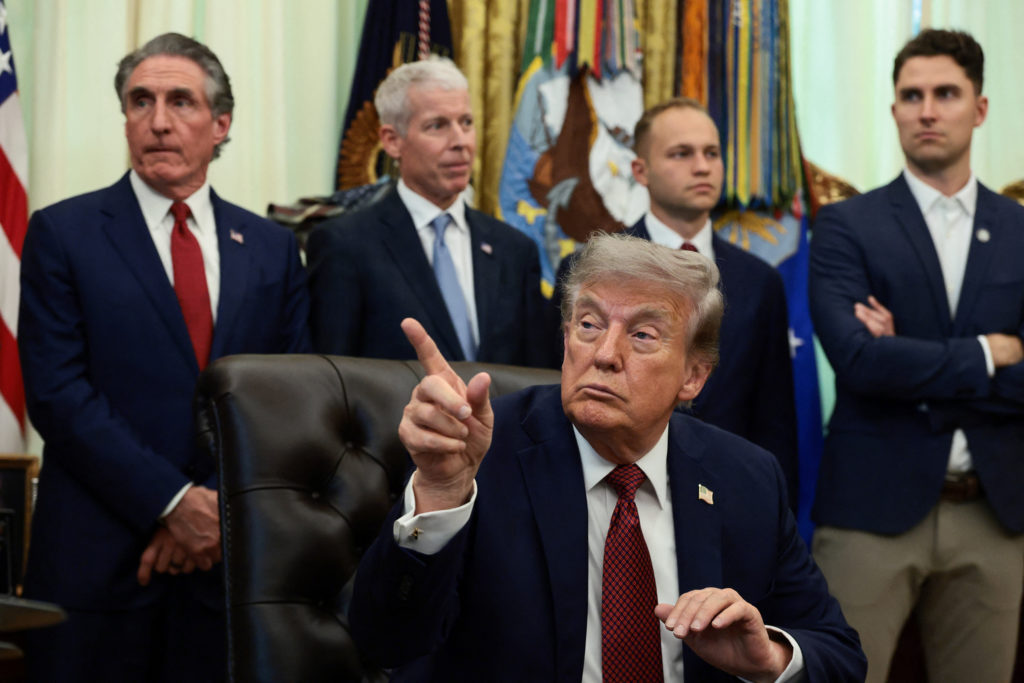
President Donald Trump gathered four nuclear startup founders in the Oval Office on Friday to mark a milestone that most of the industry had dismissed as unreachable: four privately built test reactors reached criticality — the point at which a self-sustaining chain reaction begins — before the July 4 deadline he set fourteen months ago.
"What we've done is pretty much a miracle," Trump said. "Most believed the goal was impossible." He added that "America is building again, America is dreaming again, and we're leading the world in pioneering the next generation of nuclear power."
Antares Nuclear got there first, reaching criticality on June 4. Valar Atomics followed in mid-June with its Ward 250 unit. Deployable Energy's Unity reactor went critical on June 30, and Aalo Atomics brought its Aalo-X online on July 4 itself. The Energy Department says they are the first privately funded reactors to achieve criticality in the United States since 1974 — a gap that spans Three Mile Island, Chernobyl, Fukushima and the slow collapse of American reactor construction.
The reactors are small. These are test units, not power plants, and none of them is feeding electricity to the grid. What they demonstrate is a regulatory and construction pathway: all four were built under a Reactor Pilot Program created by the four executive orders Trump signed in May 2025, which pushed reactor testing out of the Nuclear Regulatory Commission's conventional licensing queue and into Energy Department authorization, and directed the NRC itself to overhaul how it reviews new designs.
The administration's target is a fourfold expansion of U.S. nuclear capacity, from roughly 100 gigawatts today to 400 gigawatts by 2050, driven in large part by the electricity appetite of artificial intelligence data centers. The Energy Department has been layering financing behind it, including $2.7 billion in contracts announced in January to rebuild domestic uranium enrichment capacity and a loan package worth about $17.5 billion tied to ten new large reactors. Jarrod Agen, executive director of the National Energy Dominance Council, put the administration's pitch bluntly at the event: "If you want to invest in green energy, invest in nuclear."
Critics of the pilot program argue that speed has come at the cost of independent review, and that moving test reactors outside the NRC's traditional process leaves fewer public checkpoints than any American reactor has faced in half a century. Supporters counter that the designs are tiny compared with a gigawatt-scale plant and that the country cannot learn to build reactors quickly without building some. Officials also said the administration is studying floating offshore reactors as a way to site generation near coastal load centers without fighting for land.