ICE Prepares a 30-Day Sweep of Springfield, Ohio, as Deportation Protection Ends for 300,000 Haitians
Temporary Protected Status expires Monday after a federal appeals court bought Haitians three extra days. Immigration agents plan to move quickly, and deportation flights can only land in one Haitian city.

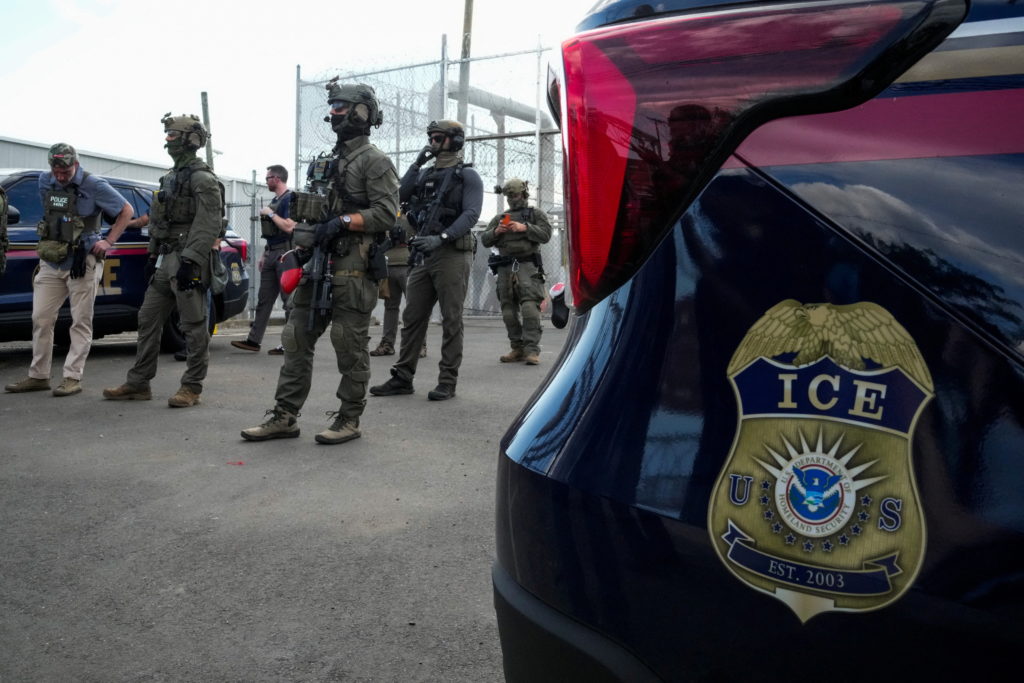
Immigration and Customs Enforcement is preparing to begin arresting Haitian immigrants as soon as this week, once Temporary Protected Status expires Monday for more than 300,000 people who have been living and working in the United States legally under the program. The Supreme Court's mandate in the case is due to be issued to the lower courts the same day, clearing the last procedural obstacle.
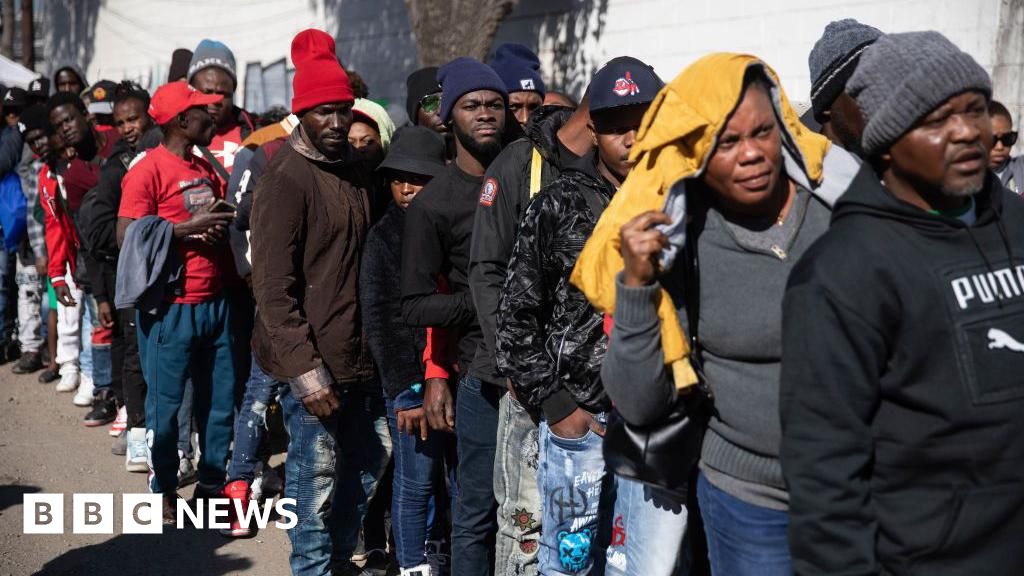
Springfield, Ohio, is expected to be among the first targets. Roughly 12,000 to 15,000 Haitians live in the small western Ohio city, a community that became a national political flashpoint during the 2024 campaign and has been bracing for enforcement ever since. Local officials have been told federal authorities signaled an enforcement window of at least 30 days. The plan, according to people familiar with it, is to arrest people in Ohio and move them onto deportation flights quickly.
Haitians got a brief reprieve last week when a federal appeals court judge in Washington pushed the expiration from July 24 to July 27 — three days, and no more. That order is now spent. Under the enforcement posture ICE has been operating in, the agency has been pressed to hit roughly 2,000 arrests a day nationwide, and June produced the highest monthly detention totals of President Trump's second term.
Where those flights can actually land is its own problem. Haiti's capital, Port-au-Prince, remains too dangerous for deportation operations, with gang control of much of the city and its approaches. That leaves Cap-Haïtien, in the country's north, as the only viable destination — hundreds of kilometers from the communities most deportees came from, in a country the State Department has spent years telling Americans not to visit.
"Once again our community members find themselves in a state of extreme trauma, fear and terror," said Guerline Jozef, executive director of the Haitian Bridge Alliance, describing families weighing whether to send children to school and whether to show up for work. The Department of Homeland Security struck a very different tone. "What we would say now is it's closing time," a department statement said, "which means you don't have to go home, but you can't stay here."
Temporary Protected Status was created by Congress in 1990 to shield people from countries wracked by war or catastrophe from being deported back into them. Haiti's designation dates to the 2010 earthquake; most of the people who now stand to lose it arrived under the Biden administration and have work permits tied directly to the status. U.S. District Judge Ana Reyes found in February that the decision to terminate the program was rooted "in part" in racial animus. The Supreme Court disagreed, ruling 6-3 in June that the administration could proceed.