Threat of Deportations Forces Haitian Mothers Into Dangerous Childbirth Conditions
Dominican Republic's immigration crackdown leads to births in squalid, unsupervised settings as pregnant women avoid hospitals.

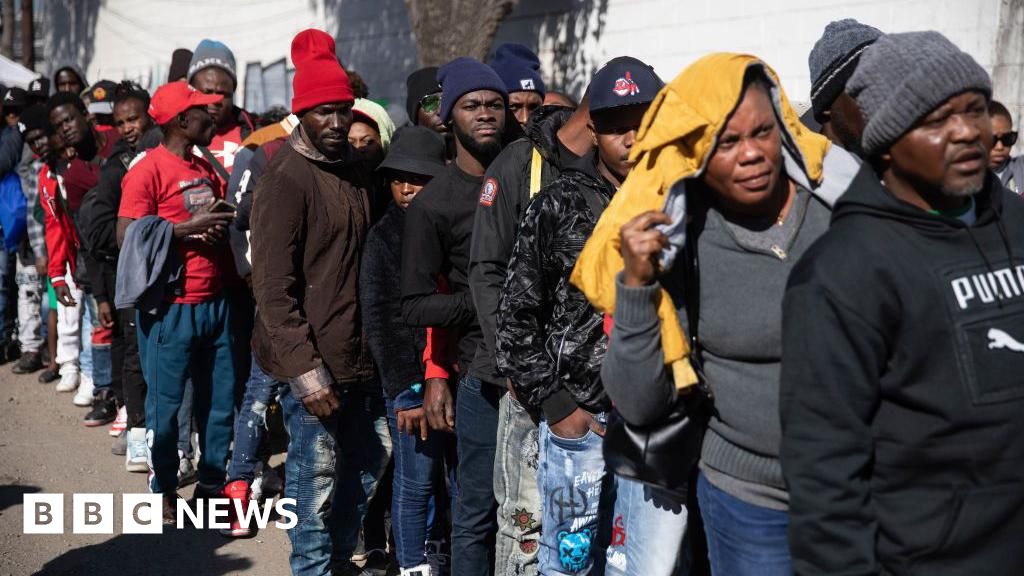
Pregnant Haitian women in the Dominican Republic are increasingly giving birth in dangerous, unsupervised conditions to avoid immigration authorities who have begun detaining migrants at hospitals. The crackdown has created a humanitarian crisis as expectant mothers choose potentially life-threatening delivery settings over seeking proper medical care that could result in deportation.
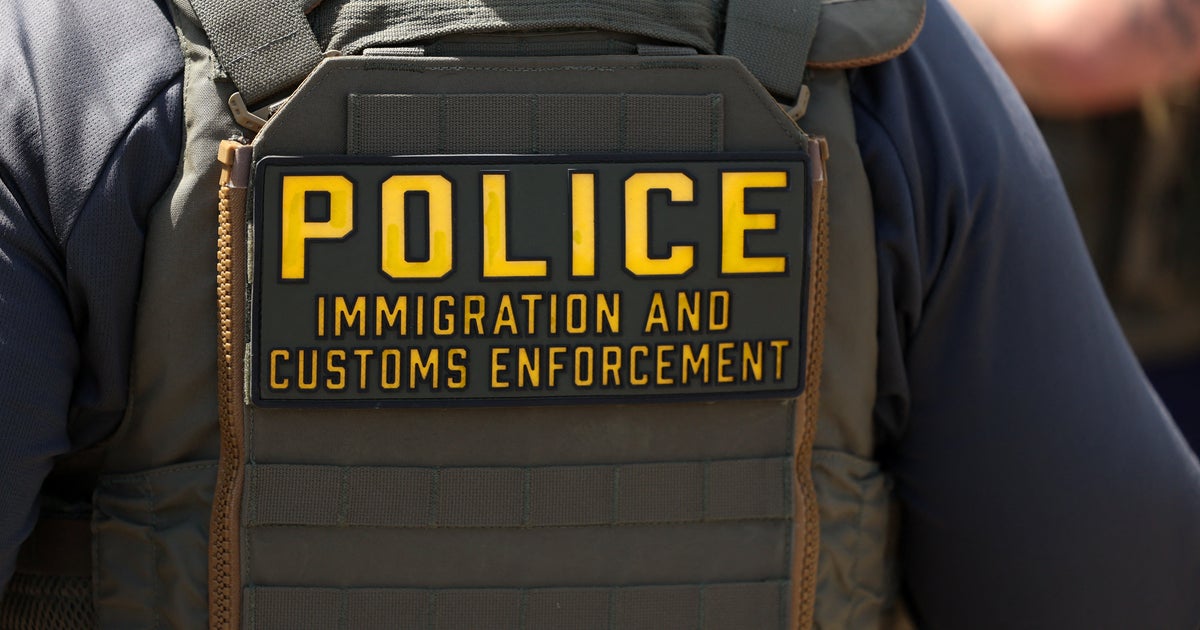
The Dominican Republic's intensified immigration enforcement has extended to healthcare facilities, where immigration agents now regularly patrol to identify and detain undocumented migrants. This policy shift has had devastating consequences for maternal healthcare, as pregnant Haitian women who previously sought prenatal care and hospital deliveries now avoid medical facilities entirely. The fear of detention and deportation has pushed childbirth into makeshift locations lacking basic medical equipment, sterile conditions, or trained healthcare providers.
Human rights organizations have documented numerous cases of women delivering babies in overcrowded shelters, abandoned buildings, and other inadequate facilities without medical supervision. These conditions pose severe risks to both mothers and newborns, including complications from infections, hemorrhaging, and other emergencies that require immediate medical intervention. The lack of prenatal care also means that high-risk pregnancies go undiagnosed and untreated, further increasing dangers during delivery.
The policy represents a significant escalation in the Dominican Republic's treatment of Haitian migrants, who make up a substantial portion of the country's undocumented population. Immigration authorities justify the hospital patrols as necessary for enforcement, but medical professionals and human rights advocates argue that healthcare facilities should remain neutral zones where people can receive treatment without fear of detention. The practice has drawn criticism from international organizations concerned about violations of basic healthcare rights.
The situation reflects broader regional tensions and the complex humanitarian challenges facing Haitian migrants throughout the Caribbean. As conditions in Haiti continue to deteriorate due to political instability and economic crisis, many Haitians have sought refuge in neighboring countries, often lacking proper documentation. The Dominican Republic's hospital detention policy has created an impossible choice for pregnant women: risk dangerous childbirth conditions or face potential separation from family members and deportation to an unstable homeland.