More Than 50 Spouses and Parents of Active-Duty U.S. Troops Have Been Detained. Six Were Deported
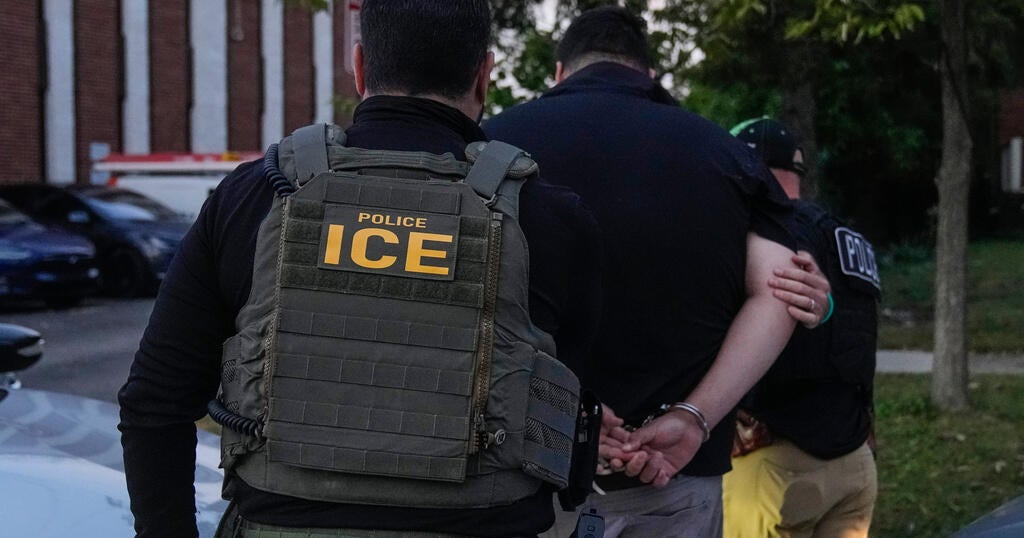
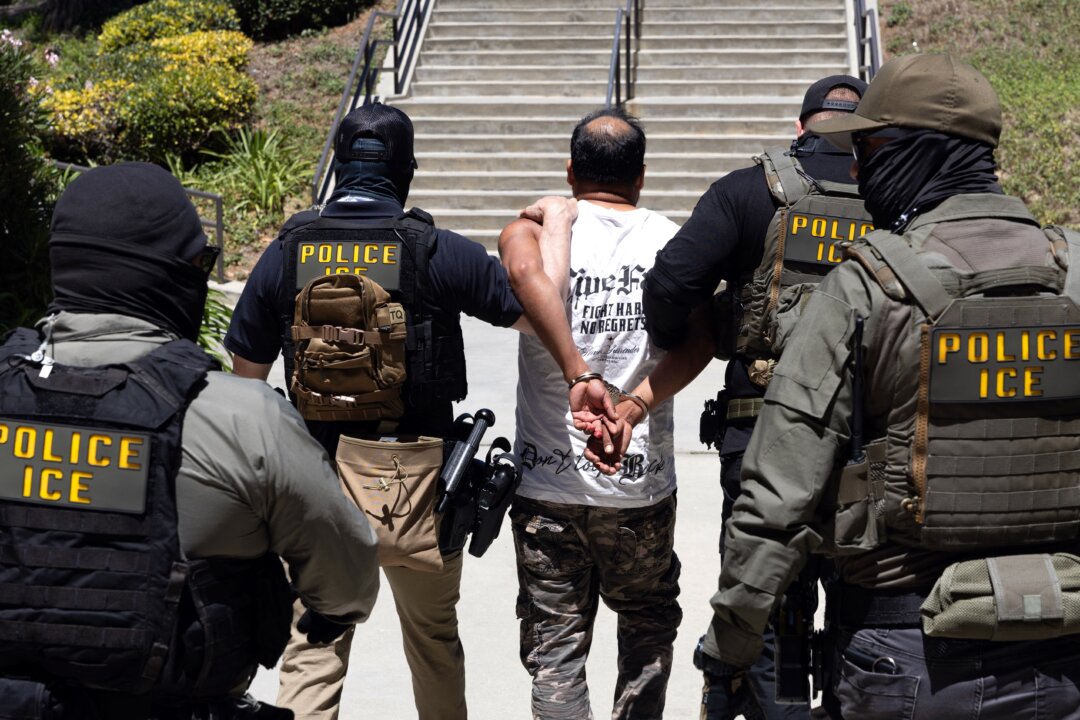
An Associated Press investigation counted 52 cases in which immigration officers took the immediate family of a service member into custody — at green-card appointments, at check-ins, and once outside a Walmart in front of a 6-year-old.
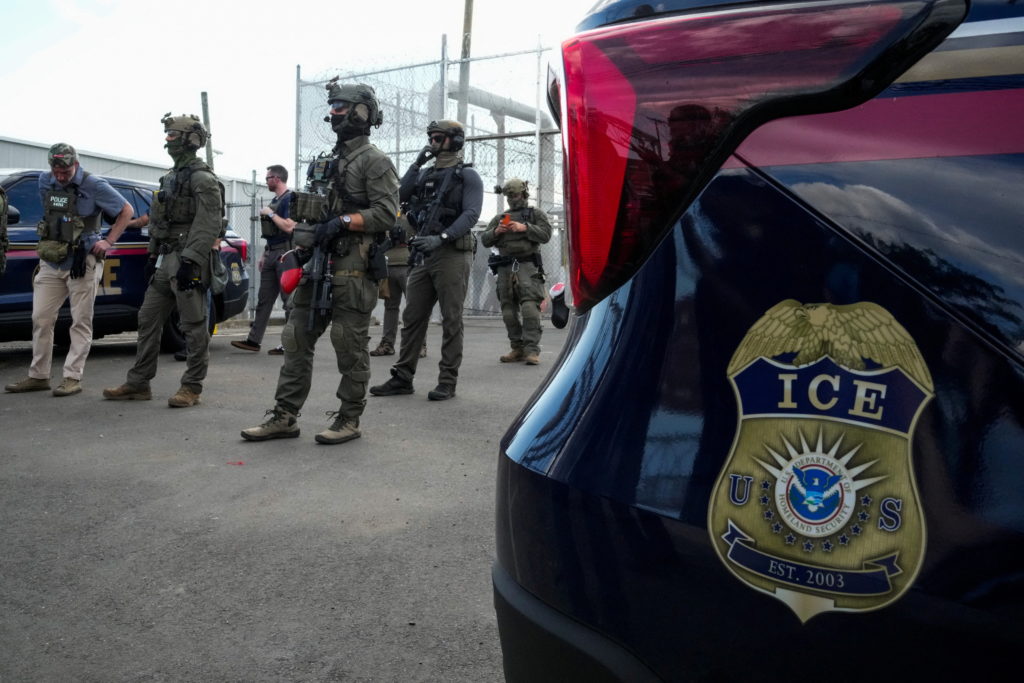
For most of the last two decades, the deal the U.S. military offered immigrant families was straightforward: serve, and the government will not deport the people you come home to. An Associated Press investigation published this week found that deal has quietly collapsed.
The AP documented 52 cases in which parents or spouses of active-duty American service members were detained by immigration authorities since President Donald Trump began his second term on Jan. 20, 2025. At least six of them have been deported and one self-deported. At least eight remain in federal immigration custody. Over roughly the same period, the AP counted 125 military veterans detained and more than 150 immediate family members of veterans arrested. The news agency cautioned that the real figure is almost certainly higher, because the Department of Homeland Security does not compile data on how many people it detains with a military connection. Reporters assembled the count by analyzing federal court records through the Immigration Justice Transparency Initiative's Habeas Dockets, reviewing local news coverage, and confirming details with relatives and attorneys.
The circumstances read less like enforcement priorities than like ambushes. Army Sgt. Hedar Leonel Turcios Juarez, stationed at Fort Bliss, Texas, said his wife was taken outside a Walmart in July in front of their 6-year-old daughter. "How can I even focus on my military career because I have to worry about how my wife is doing?" he said. Army Staff Sgt. Alexis Jaramillo's wife, Maisa Lopes Eliaser, was detained at a U.S. Citizenship and Immigration Services office in Alabama in early July while the couple was adjusting her status; Jaramillo was placed on administrative leave from Fort Polk, Louisiana, to care for their 5-year-old son alone. "It is really overwhelming because I need to take care of my kid by myself," he said. Air Force Tech. Sgt. Wendy Gbeve's father, Luis Alberto Ramirez Zavala, a ranch hand who spent most of his life in rural Illinois, was arrested at his own USCIS appointment in Missouri and deported to Mexico about two weeks later. "It's the most frustrating, helpless feeling," Gbeve said.
Marine Cpl. Jose Manuel Vilchis-Valle's mother, Ursula Borja Valle, who had lived in the United States since the 1990s with no known criminal record, was detained at an appointment in August 2025 and deported to Mexico within a week. "They basically told me that if you serve, and if you served honorably, you can help your parents," he said. Army Specialist Romero Ralios — who had himself deployed to Joint Task Force Southern Border in support of Customs and Border Protection — watched his Guatemalan father, a landscaper of nearly two decades in the U.S., get detained this summer. "It was karma," Ralios said. "I should've known. All those families I broke. I have regrets." His commanding officer, Capt. Mohamed Elmaola, called him a "phenomenal soldier" and said the arrests corrode a unit from the inside: "It's very hard to communicate and to have credibility as a leader when your own subordinates are unable to get support."
The mechanism that used to prevent this is called military parole in place, created under President George W. Bush in 2007 during the Iraq War and later codified under President Barack Obama. It lets spouses, children and parents of active-duty troops and veterans obtain legal status without leaving the country. The program technically still exists. But the AP found the average wait for a decision has more than doubled to about 12 months, leaving families exposed to arrest in the gap. In April 2025 the administration issued new guidance stating that "military service alone does not exempt aliens from the consequences of violating U.S. immigration laws," a reversal of the posture held by both Republican and Democratic administrations. The Marine Corps stopped advertising the benefit to recruits in June 2025; the Army and National Guard still promote it, and Army spokesperson Christopher Surridge said recruiters are expected to highlight it.
DHS defended the arrests, saying "U.S. military service alone does not automatically grant lawful immigration status, or exempt aliens from the consequences of violating U.S. immigration laws," and noting that at least seven of those detained had previously been removed from the country, at least eight had outstanding removal orders, and at least two had DUI or drug convictions. Dan Gividen, who served as an ICE deputy chief counsel from 2016 to 2019 during Trump's first term and now represents a soldier's father who has been in custody more than eight months, said the change is unrecognizable to him. "We would not place them into removal proceedings, period," he said. "That's insane." Margaret Stock, an immigration attorney and retired Army Reserve lieutenant colonel, framed it as a readiness problem: "It's the same thing that happens if you don't provide healthcare to the troops, or you don't provide housing to the troops." Rep. Maria Elvira Salazar, a Florida Republican who intervened to win the release of retired Staff Sgt. Wilmer Trujillo's wife, put it more bluntly: "The immigration system is failing the honorable and good Americans."