Trump Administration Ramps Up Deportation of Military Veterans
Thirty-four former service members placed on deportation track in past year as administration expands immigration enforcement to include military families.
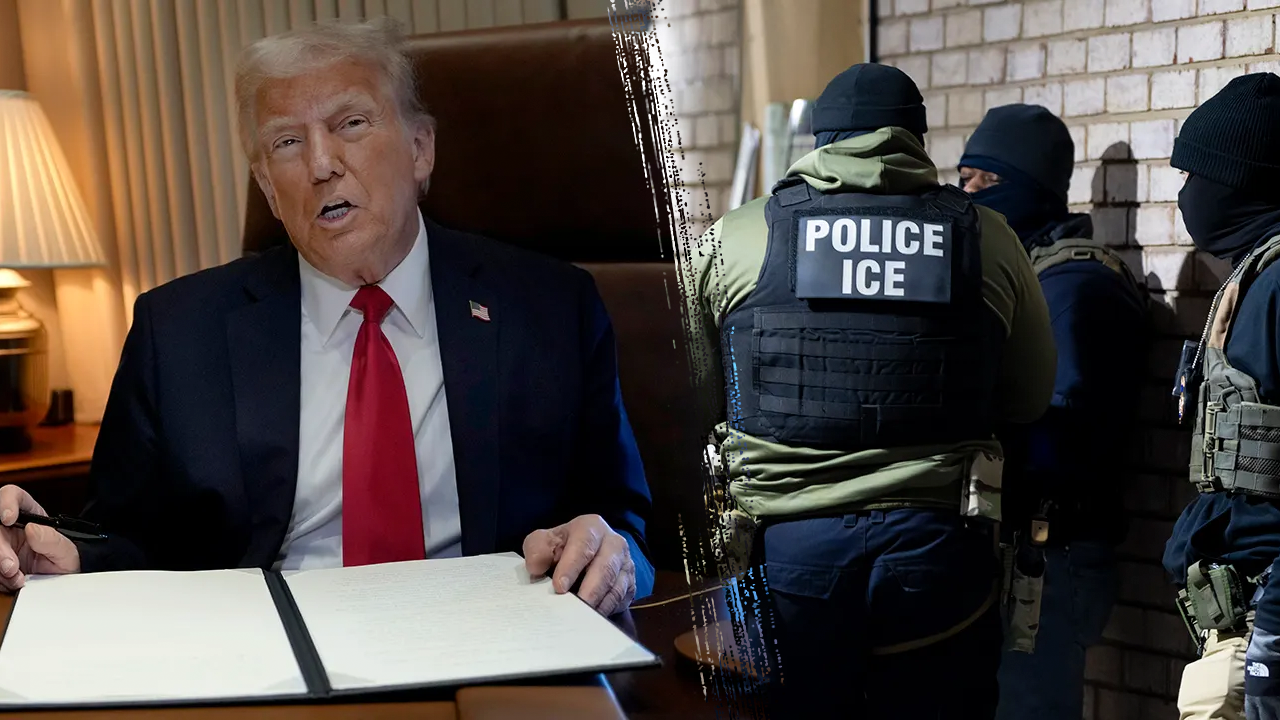
The Trump administration has placed thirty-four military veterans on a deportation track over the past year, marking a significant expansion of immigration enforcement that now reaches into the ranks of those who served in the United States Armed Forces. The cases, documented through court filings and interviews with attorneys representing the veterans, reveal a pattern of aggressive action against former service members who are legal permanent residents or whose immigration status lapsed after their military service ended.
The veterans facing deportation served across multiple branches of the military, including the Army, Marines, and Navy. Several saw combat in Iraq and Afghanistan. Their immigration cases vary in specifics but share a common thread: each served the country in uniform and now faces the prospect of being expelled from it. In many cases, the veterans were unaware that their military service did not automatically confer citizenship, a misconception that immigration attorneys say is widespread among non-citizen service members.
The expansion of enforcement to include military families represents a departure from longstanding norms. Previous administrations, including Trump's first term, generally treated veteran deportation cases with discretion, recognizing the unique sacrifice of military service. Immigration and Customs Enforcement under the current administration, however, has taken the position that immigration law must be applied uniformly regardless of military background.
Advocates for the affected veterans have responded with outrage. Organizations including the American Civil Liberties Union and the Veterans Legal Services Center have filed legal challenges on behalf of several of the service members, arguing that their military service and the government's recruitment of non-citizens into the armed forces create a binding obligation to protect them from removal.
The cases have drawn bipartisan criticism on Capitol Hill. Senator Tammy Duckworth, an Illinois Democrat and combat veteran who lost both legs in Iraq, called the deportations a betrayal of the nation's promise to those who serve. Several Republican lawmakers, including members of the House Veterans' Affairs Committee, have privately expressed discomfort with the policy but have stopped short of public opposition.
Under current law, non-citizens who serve in the military during periods of armed conflict are eligible for expedited naturalization. However, the process is not automatic, and many service members fall through bureaucratic cracks, particularly those who leave the military with less-than-honorable discharges or who encounter legal difficulties after their service. Criminal convictions, even for relatively minor offenses, can trigger removal proceedings that override years of military service.
The Department of Homeland Security defended its approach in a statement, saying that all individuals in removal proceedings are afforded due process and that military service is considered as a factor in case adjudication. However, attorneys for the veterans said that in practice, immigration judges have been given little latitude to weigh military service against other factors.
The issue has particular resonance given the ongoing conflict with Iran, which has renewed public attention to the sacrifices of military personnel. Several of the veterans facing deportation served in earlier Middle East deployments, creating an uncomfortable juxtaposition between the nation's reliance on immigrant service members in wartime and its willingness to remove them during peacetime.
Immigration policy experts said the cases highlight a systemic failure that predates the current administration but has been dramatically accelerated by it. The military has long recruited non-citizens with promises of a path to citizenship, but the bureaucratic machinery required to fulfill that promise has never kept pace with the recruitment pipeline. The result is a growing population of veterans who find themselves caught between their service to the country and its immigration enforcement apparatus.