House Passes Haiti TPS Extension in Stunning Bipartisan Vote, Defying Trump Immigration Agenda
The 224-204 vote, forced by Rep. Ayanna Pressley's rare discharge petition, marked the most significant immigration rebuke of the Trump White House since the new Congress convened, with 11 Republicans crossing the aisle.

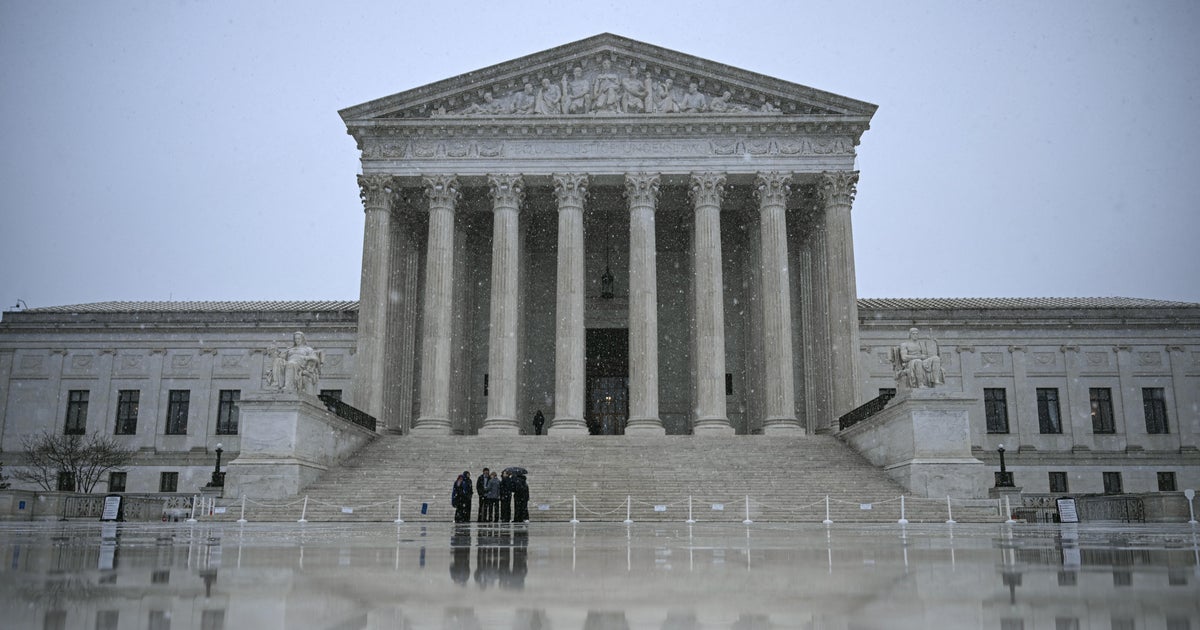
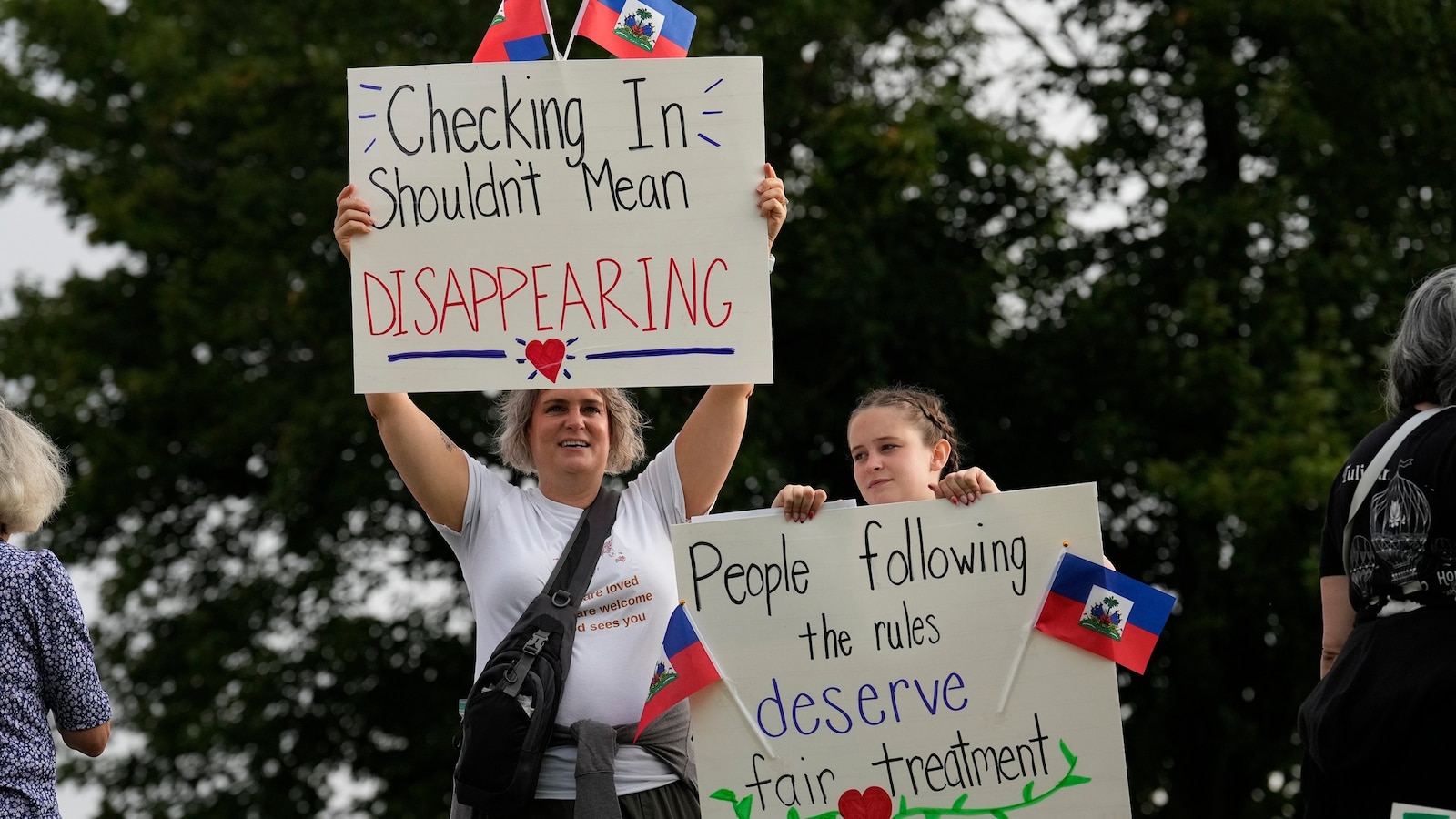
The House of Representatives voted 224 to 204 last Thursday to extend Temporary Protected Status for more than 330,000 Haitian nationals currently living in the United States, in a striking bipartisan rebuke of the Trump administration's immigration agenda driven by an unusual procedural maneuver that bypassed Republican leadership entirely. Eleven Republicans joined all House Democrats in supporting the measure, which would extend TPS protections for Haitians through April 2029. The vote represented the most significant defection from the Republican caucus on an immigration vote since Trump returned to the White House.
The victory was secured through a discharge petition filed by Representative Ayanna Pressley of Massachusetts, who spent months collecting 218 signatures from members of both parties to force the vote over the objections of Speaker Mike Johnson. Discharge petitions — a rarely used procedural tool that allows a majority of House members to bring legislation to the floor without committee approval — have almost never succeeded on immigration measures, and political analysts described Pressley's achievement as a landmark moment in congressional strategy. "They said discharge petitions don't work on immigration," Pressley said after the vote. "We just proved them wrong."
Among the Republicans who crossed the aisle were Representatives Maria Elvira Salazar and Carlos Gimenez of Florida, Brian Fitzpatrick of Pennsylvania, Mike Lawler and Nicole Malliotakis of New York, and Don Bacon of Nebraska — all representing districts with significant immigrant or Haitian-American constituencies. Representative Mike Lawler said sending people "back to Haiti to unsafe conditions when they are currently here lawfully, is unjust and unwise," a statement that drew swift criticism from hard-line immigration advocates aligned with the White House.
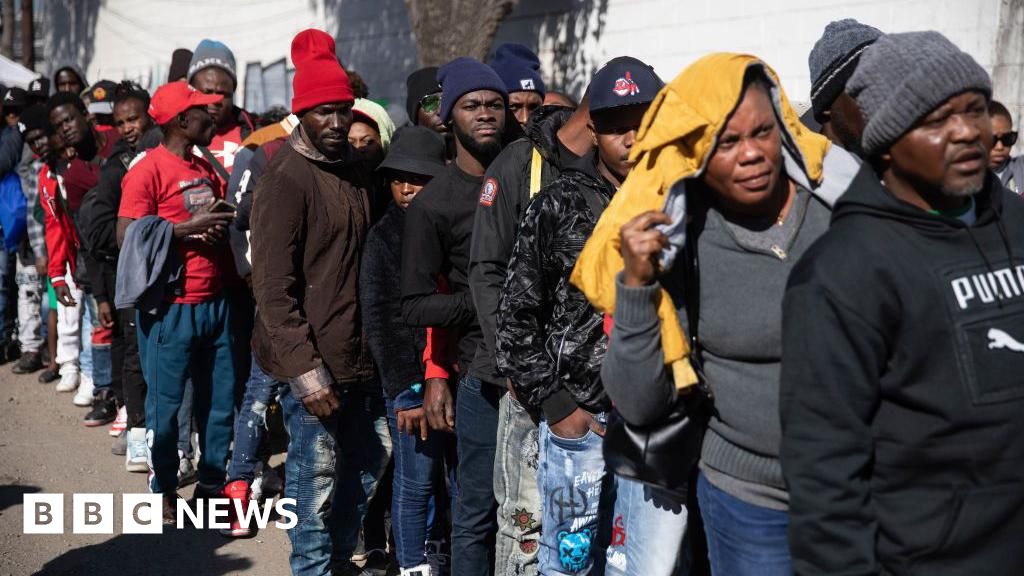
Temporary Protected Status is a humanitarian designation that protects foreign nationals from countries experiencing ongoing conflict, natural disasters, or other extraordinary conditions from deportation and allows them to work legally in the United States. The Trump administration ended TPS for Haiti in January, arguing that conditions in the country had stabilized sufficiently to no longer warrant the designation. Haiti has in fact experienced sustained gang violence, political instability, and an ongoing health crisis since the assassination of President Jovenel Moïse in 2021, and human rights organizations have strongly disputed the administration's assessment.
The bill now goes to the Senate, where it faces a steep path — Republican leadership has shown no interest in bringing immigration measures to the floor that contradict the administration's priorities, and it would need 60 votes to overcome a filibuster. Even if it cleared the Senate, Trump has indicated he would veto it, meaning a two-thirds majority in both chambers would be required to override. Pressley and her allies acknowledged those hurdles but said the House vote itself sends a message that the administration's deportation of Haitian TPS holders lacks broad political support. The Congressional Black Caucus, which has led advocacy on the issue, pledged to keep the pressure on the Senate.