Meta Will Pay Up to $17 Billion and Cap Teen Accounts at Two Hours a Day to End the States' Child-Safety Trial
The deal, approved hours after it was filed, resolves claims from 51 attorneys general and forces changes to Facebook and Instagram that lawmakers spent years failing to legislate.
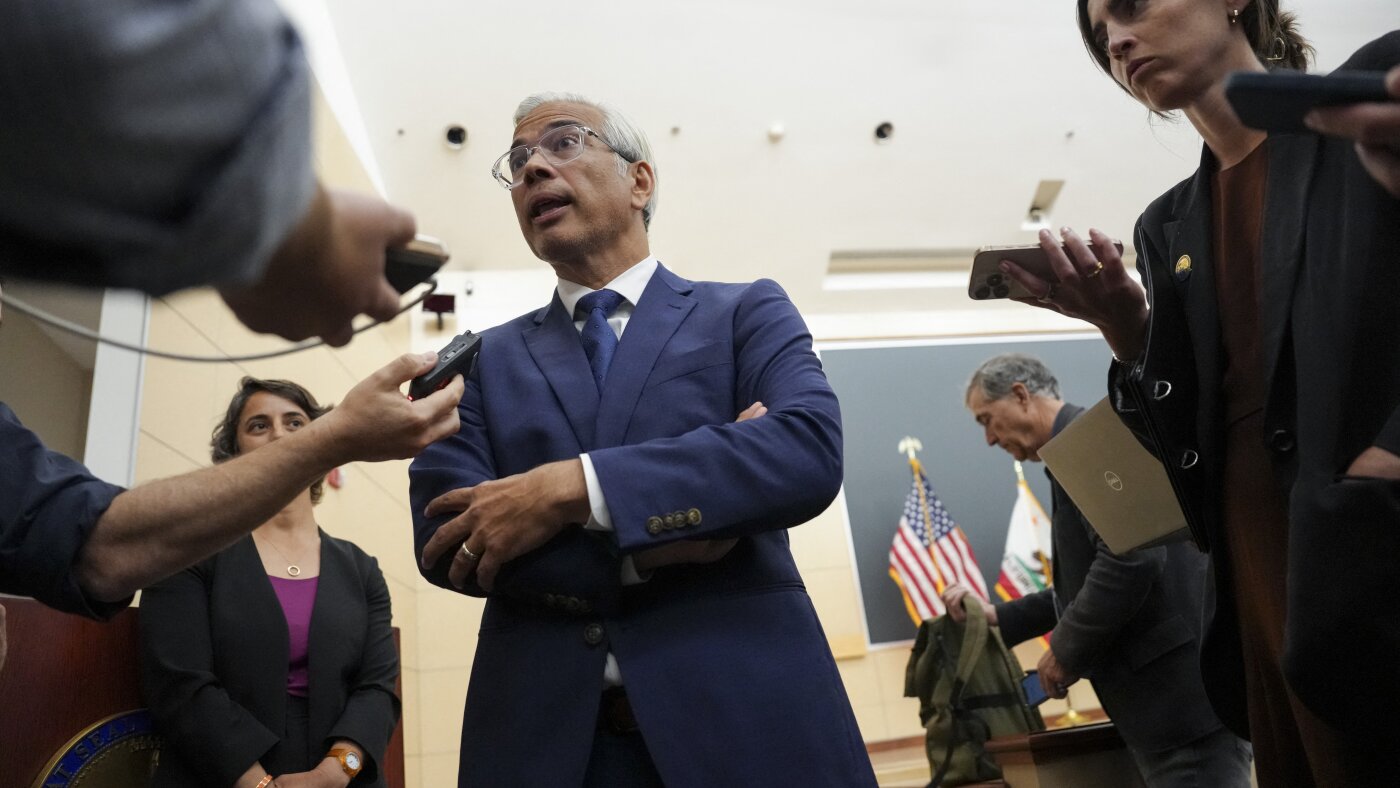
Meta and a coalition of state attorneys general have settled the landmark federal child-safety case against Facebook and Instagram, with the company agreeing to pay up to $17 billion in penalties over 10 years and to rebuild large parts of how its apps work for minors. Judge Yvonne Gonzalez Rogers of the U.S. District Court for the Northern District of California approved the settlement hours after it was filed. It resolves the cases and claims of 51 attorneys general.
The suit, led by California, Colorado, Kentucky and New Jersey on behalf of a much larger group of states, alleged that Meta deliberately designed its apps to be addictive to children, knew the risks from its own internal research, and hid that research from the public. The states also accused the company of violating the Children's Online Privacy Protection Act by collecting data on users under 13. Meta bars under-13 accounts as a matter of policy, but children routinely get around it by entering false birth dates.
The product changes are the part that will be visible to families. According to California Attorney General Rob Bonta's office, Meta must impose a default two-hour daily time limit for users under 18 and a default nighttime block between midnight and 6 a.m., both of which only a parent can lift. Notifications will be blocked overnight and during school hours. The apps will stop displaying like and reaction counts on posts made by minors, and will stop offering cosmetic surgery image filters to them. Minors will get the option of a non-personalized feed that is not driven by an algorithm targeting them with content. Meta must also hire an independent auditor with what the announcement called "expansive access to information and resources" and a direct line to the attorneys general, and is subject to an injunction barring further "false, misleading, or deceptive statements around its safety features."
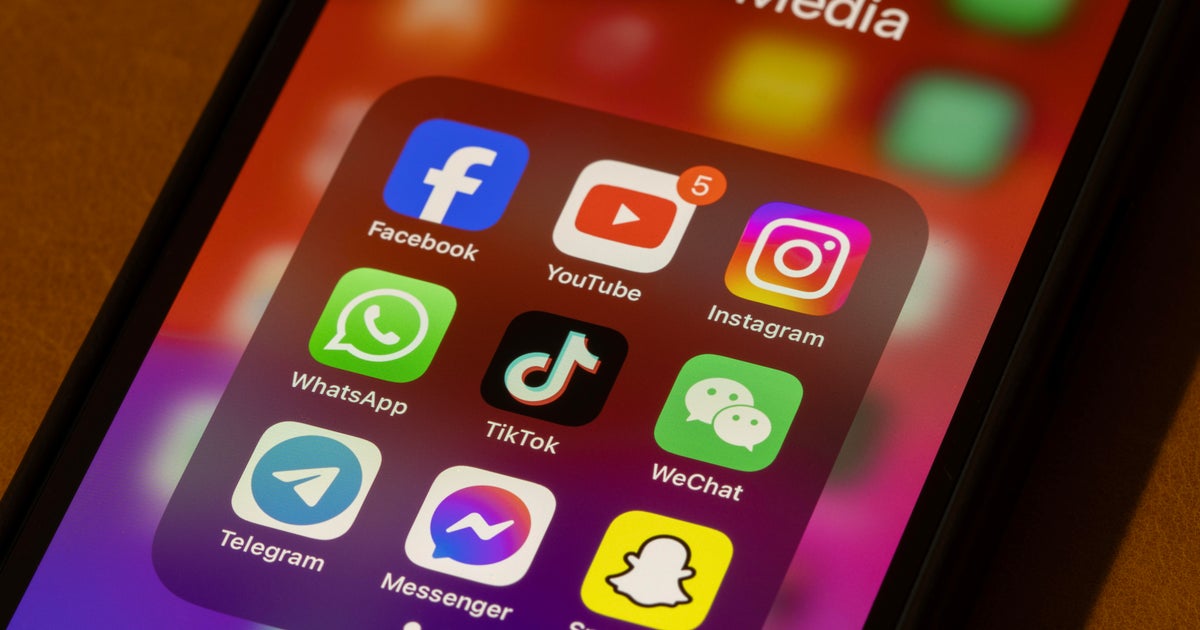
"Today, we have secured a settlement with Meta that will make social media less dangerous for our kids and make a world of a difference for children and their families," Bonta said. "Meta has agreed to make massive transformations that will reduce the risk of harm from its platforms — and will do it within months." Meta chief legal officer C.J. Mahoney called the framework groundbreaking and said it "will empower parents to easily manage how their children access our platforms," then added a pointed condition: "But its success depends on all other social media platforms following Meta's lead." He named TikTok and YouTube directly. The settlement builds that pressure into its own terms — several provisions ratchet if YouTube, TikTok and Snap adopt the same framework. The two-hour default would fall to one hour, and Meta's payment increases, an apparent hedge against the competitive cost of moving alone. Google, TikTok and Snap did not immediately respond to requests for comment.
The trial in Oakland started last week and was expected to run into early October. It collapsed midway through its second week, after testimony from insiders. Whistleblower Arturo Béjar told the court that Meta's culture was fixated on user growth and that internal studies showed young users were exposed to harmful experiences at far higher rates than the company said publicly. On Tuesday, the states put Instagram head Adam Mosseri on the stand and pressed him on "Take a Break," a feature nudging teens to close the app that Meta had promoted publicly despite very limited uptake.
Nora Freeman Engstrom, a Stanford law professor, said both sides got something. Several of the platform changes would have been extremely hard to win through legislation. The money, meanwhile, is real but not existential — Meta reported roughly $16 billion in net profit last quarter alone. "Not exactly pocket change, but it's hardly a body blow," she said. "Meta is clearly signaling that it would like this litigation behind it. But this is not game over."
A portion of the funds is earmarked for youth mental health programs, after-school programs and crisis intervention services, with Vermont, Michigan, North Carolina, Indiana and South Dakota among the states set to receive money. Thousands of separate suits over social media and youth mental health remain, and experts say most are unaffected by this outcome. Matthew P. Bergman, founding attorney at the Social Media Victims Law Center, called the deal a "watershed moment" but said the work is far from over: "We will continue fighting for the individual families whose children will never come home." Psychologist Mitch Prinstein, who co-directs the Winston Center on Technology and Brain Development at UNC Chapel Hill and had been scheduled to testify Monday, said the changes target a real vulnerability — by age 10 or 11, he said, children show "a hypersensitivity to social signals" — but warned implementation will take years and needs close monitoring.