Senate Blocks a Congressional Stock Trading Ban and a Data Center Bill Before Recess
Democrats voted down both Republican-led measures, calling one a 'permission slip for corruption' because it included voter ID rules, five weeks before the midterm elections.

Senate Democrats on Wednesday defeated two Republican-backed bills, one that would have limited members of Congress from trading individual stocks and one meant to stop data centers from pushing up household electricity bills. The votes were the last major business of the Senate before senators left Washington to campaign for the November 3 midterm elections, now less than five weeks away.
The Stop Insider Trading Act failed on a party-line vote of 53-47. The bill would have barred lawmakers, their spouses and dependent children from buying individual public-company stocks, while letting them keep what they already own, reinvest dividends, and sell shares after giving advance notice. The Ratepayer Protection Act failed 57-43. Both needed 60 votes to overcome the Senate filibuster.
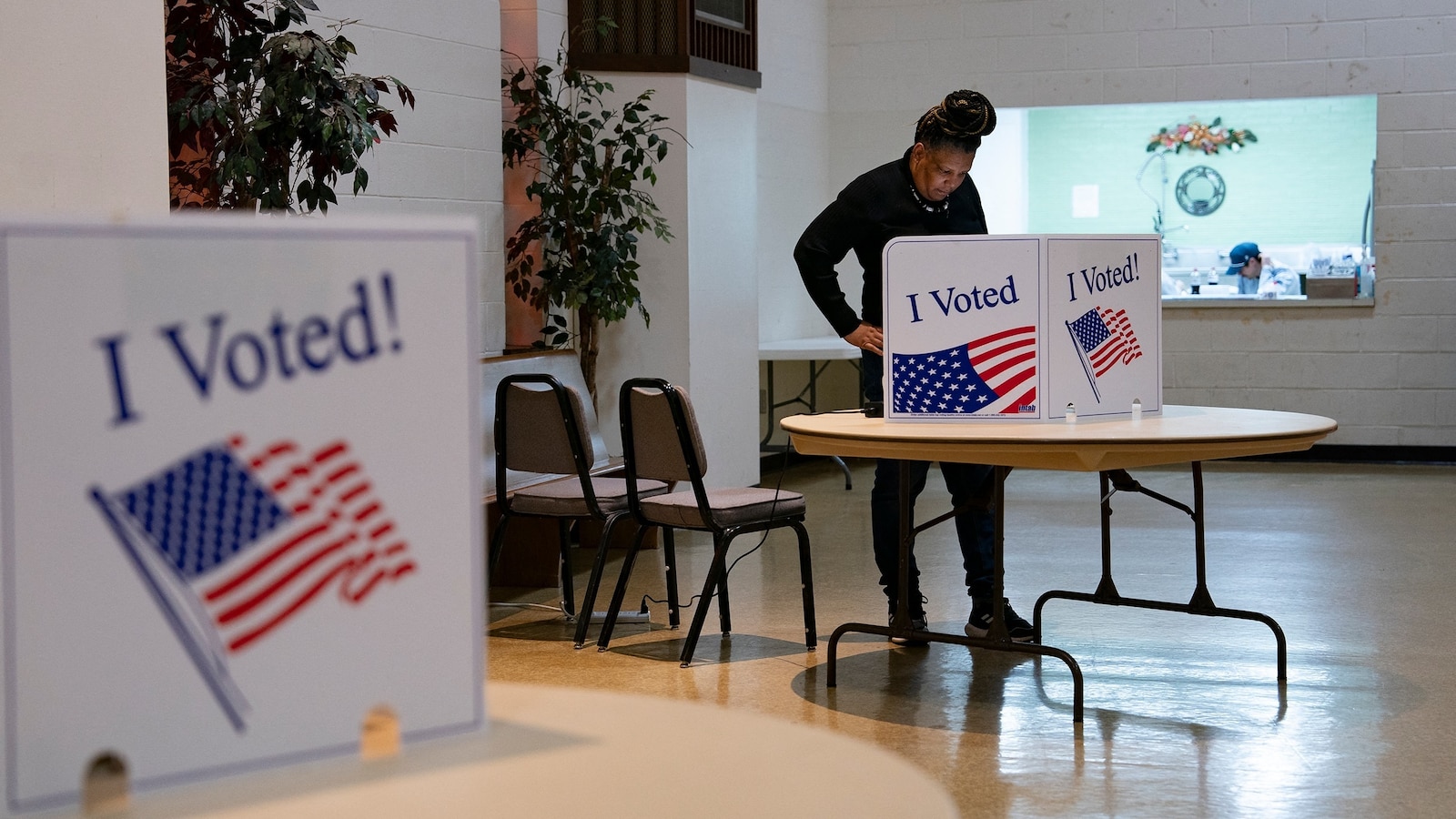
The stock bill carried a provision that Democrats said was a poison pill: voter identification requirements similar to those in Republican-backed election legislation. Senate Minority Leader Chuck Schumer of New York called the measure "a permission slip for corruption, not a stock trading ban," arguing that members could still hold and sell individual securities under its terms. Republicans argued the opposite. House Majority Leader Steve Scalise posted on X that "every Senate Democrat just joined 94% of House Democrats in voting against banning congressional stock trading," and said the bill offered the accountability Americans demand.
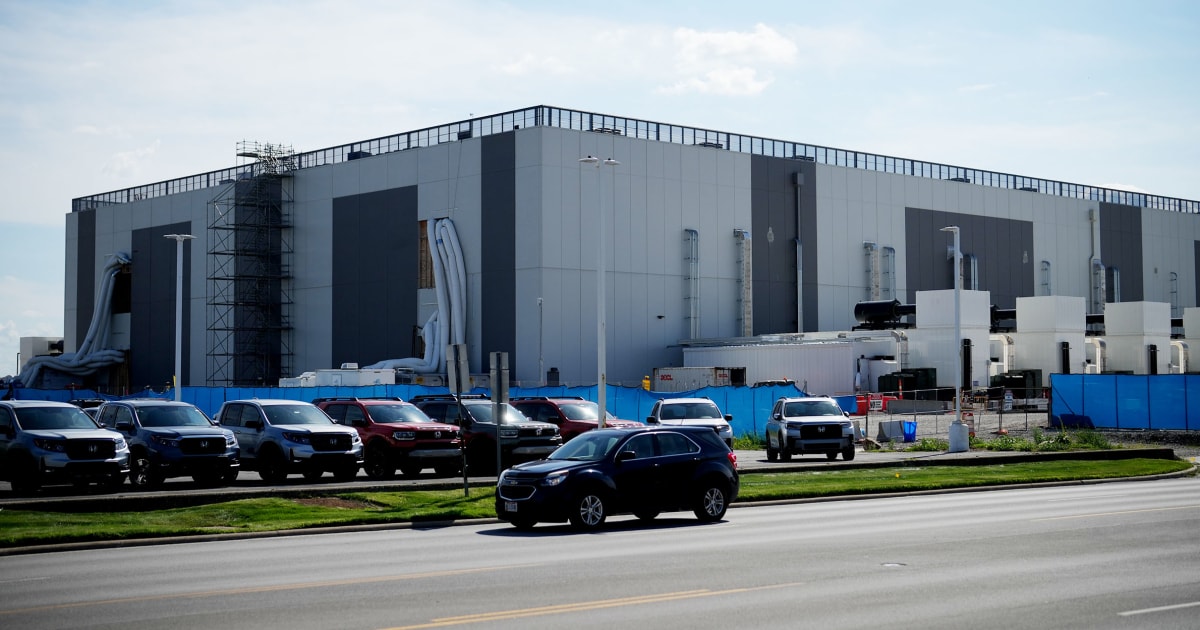
The data center bill had a much wider base of support in the House, which passed it 417-3 earlier this month. It would set up a regulatory framework that states could adopt to require large artificial intelligence data centers to pay for their own energy costs instead of passing them on to residential customers. That is the part Democrats objected to. Schumer called it a "toothless messaging bill" in a Senate speech Tuesday and said its shortcomings could be summed up in one word: "optional." Sen. Elizabeth Warren of Massachusetts, who wants a national moratorium on data centers until developers show they will cover the full cost of building and running them, called the legislation "a silly piece of nonsense." She added, "Give us something of substance and we'll vote on it."
Both parties are using the outcome as campaign material. Republicans will likely cite the votes as proof that Democrats blocked popular, affordability-focused measures, a pitch aimed at voters who have watched electricity and grocery prices climb. The GOP is trying to hold narrow majorities in both chambers while President Donald Trump's approval ratings are falling. Democrats say they stopped what they consider hollow bills and want stronger versions that actually bind lawmakers and the technology industry.
The stock trading question has been a rare issue where voters of both parties tend to agree, and polling over several years has consistently shown strong support for restrictions on lawmakers' personal investing. That is part of what made the vote awkward for both sides. Democrats now face the charge that they voted against a ban, while Republicans face the charge that they attached an unrelated election provision they knew would sink it.
Nothing is likely to move until after the election. The Senate is out until the campaign ends, and the next Congress will start with whatever majorities voters hand out. Whether either bill returns, and in what form, will depend on who holds the gavel in January.